Pursuing the Ultimate Music Experiences

Audio Federation High-Fidelity Audio Blog

THE Show 2012 (at CES) – Scientific Fidelity


[Finally made it to THE Show in the Flamingo. It is late the 2nd day, Wednesday. Very late, about 6:00pm and the show is supposed to close 6:30, I think. Anyway, I tried to get as many rooms as possible that evening along this, the shorter hall on floor 4. Have to admit, getting a little loopy by this point late in the day]

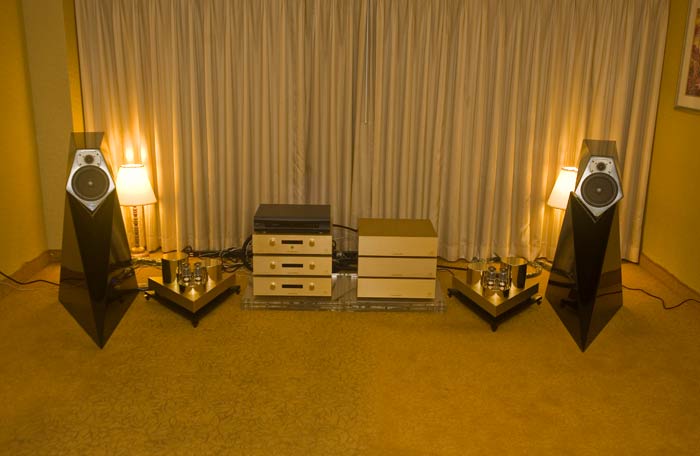
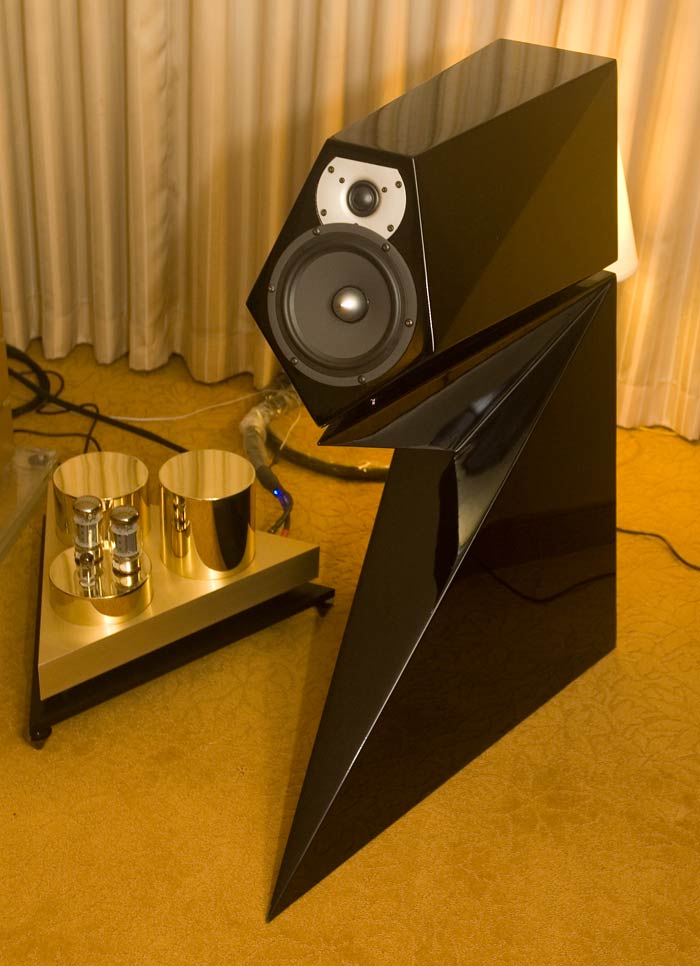
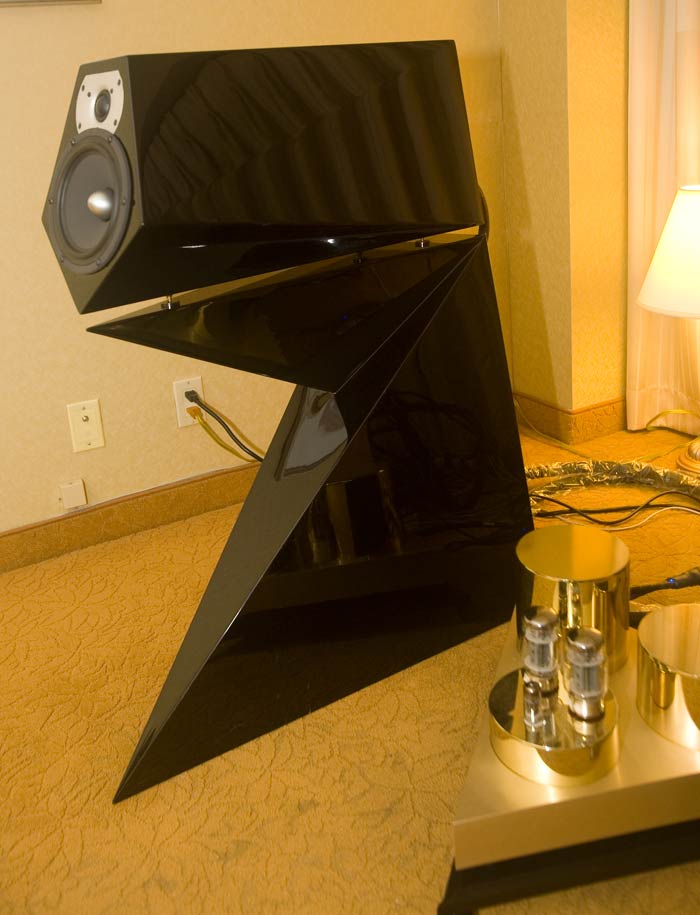
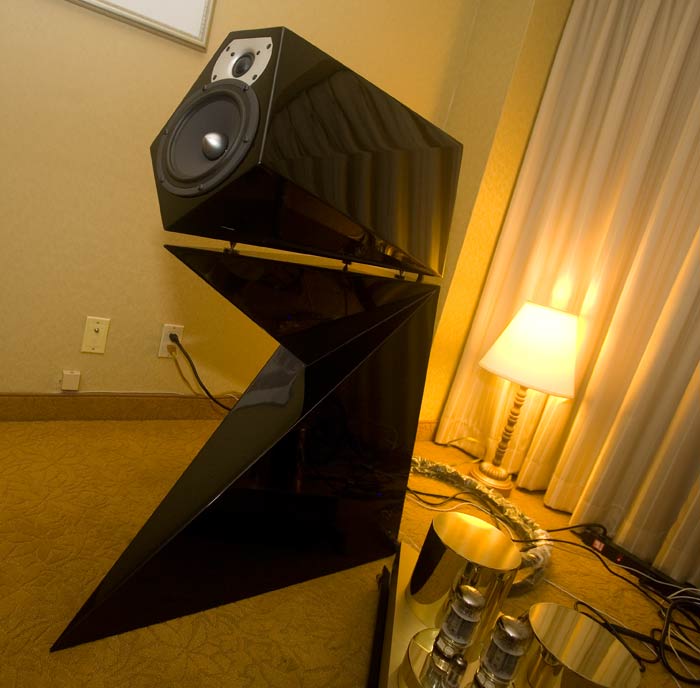
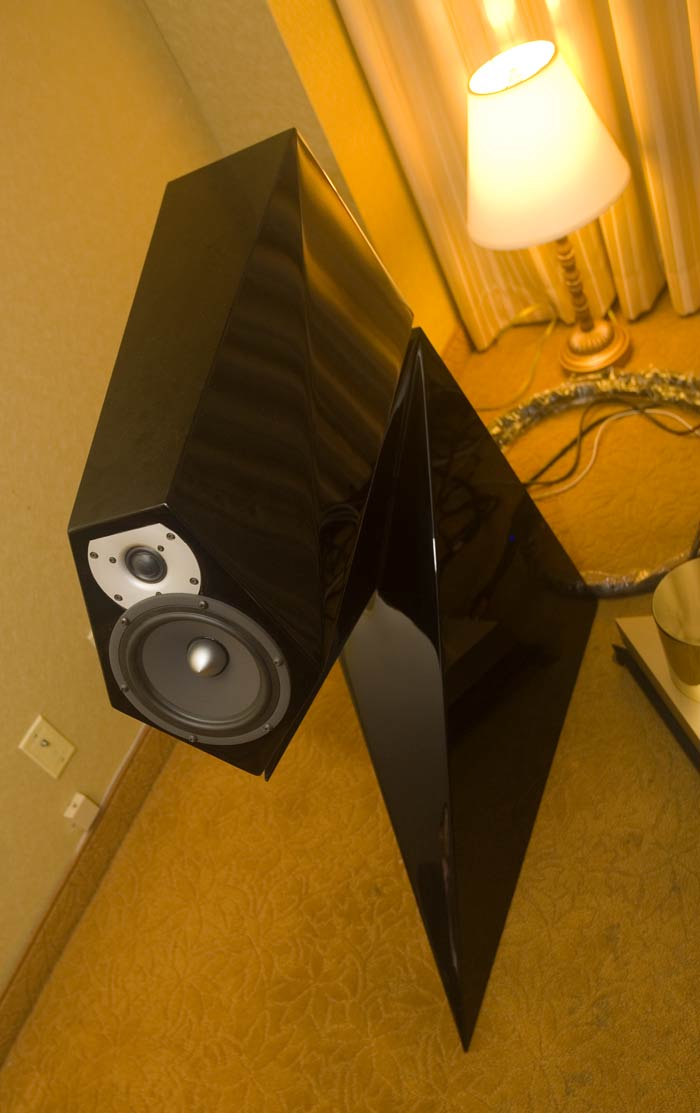
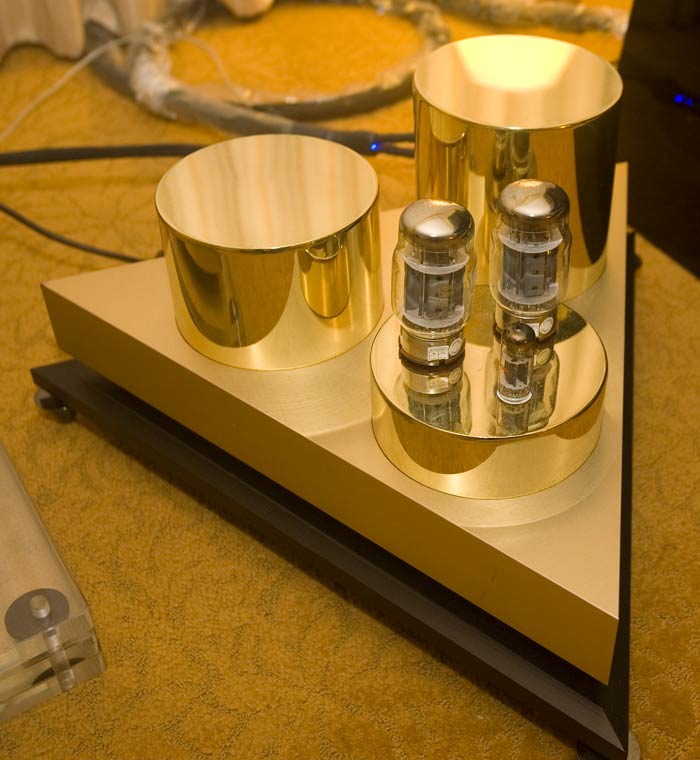
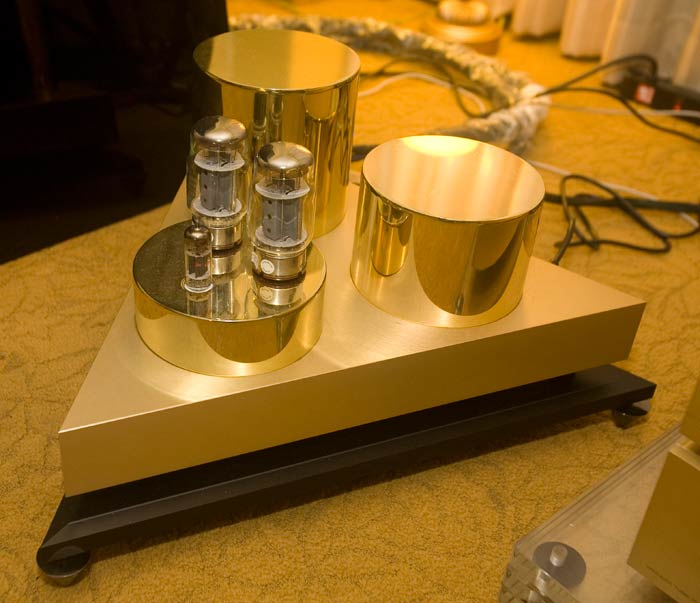
Scientific Fidelity was at the end of the hall, so we’ll start here. They were showing their very interesting looking speakers on their very different shaped amps.


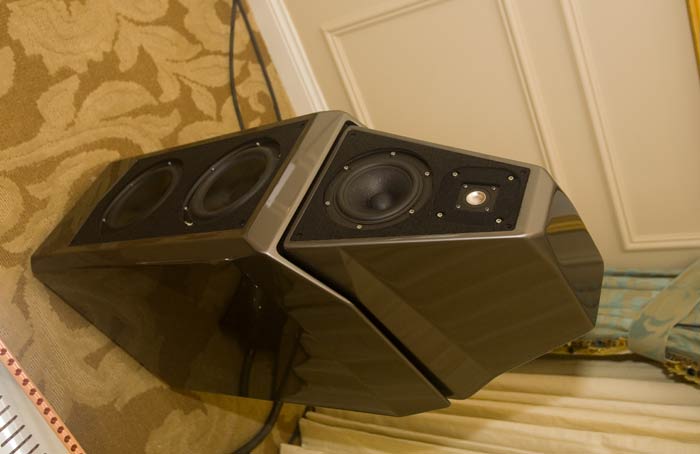
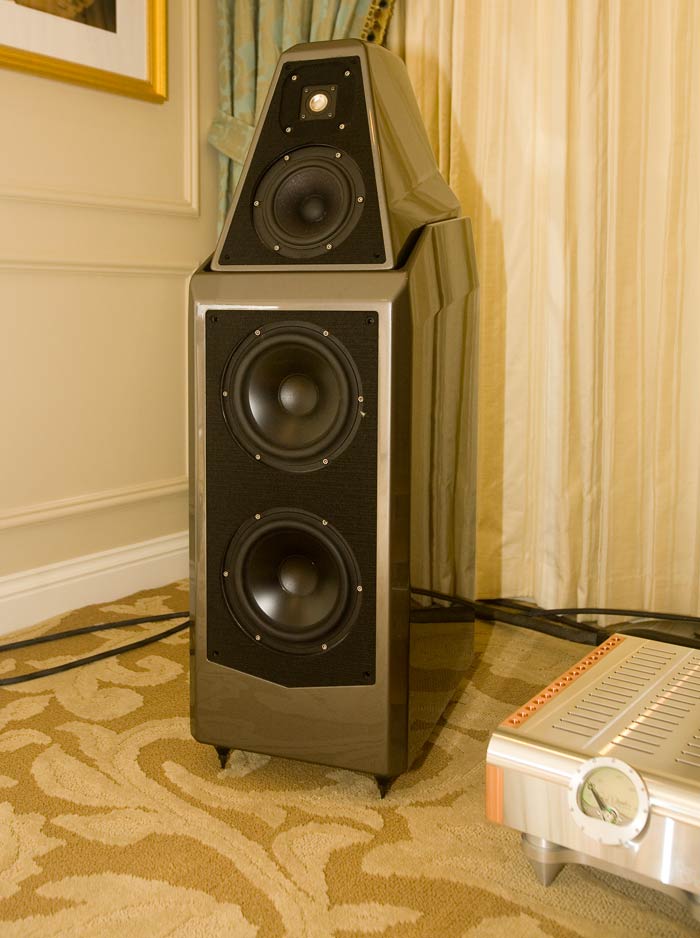
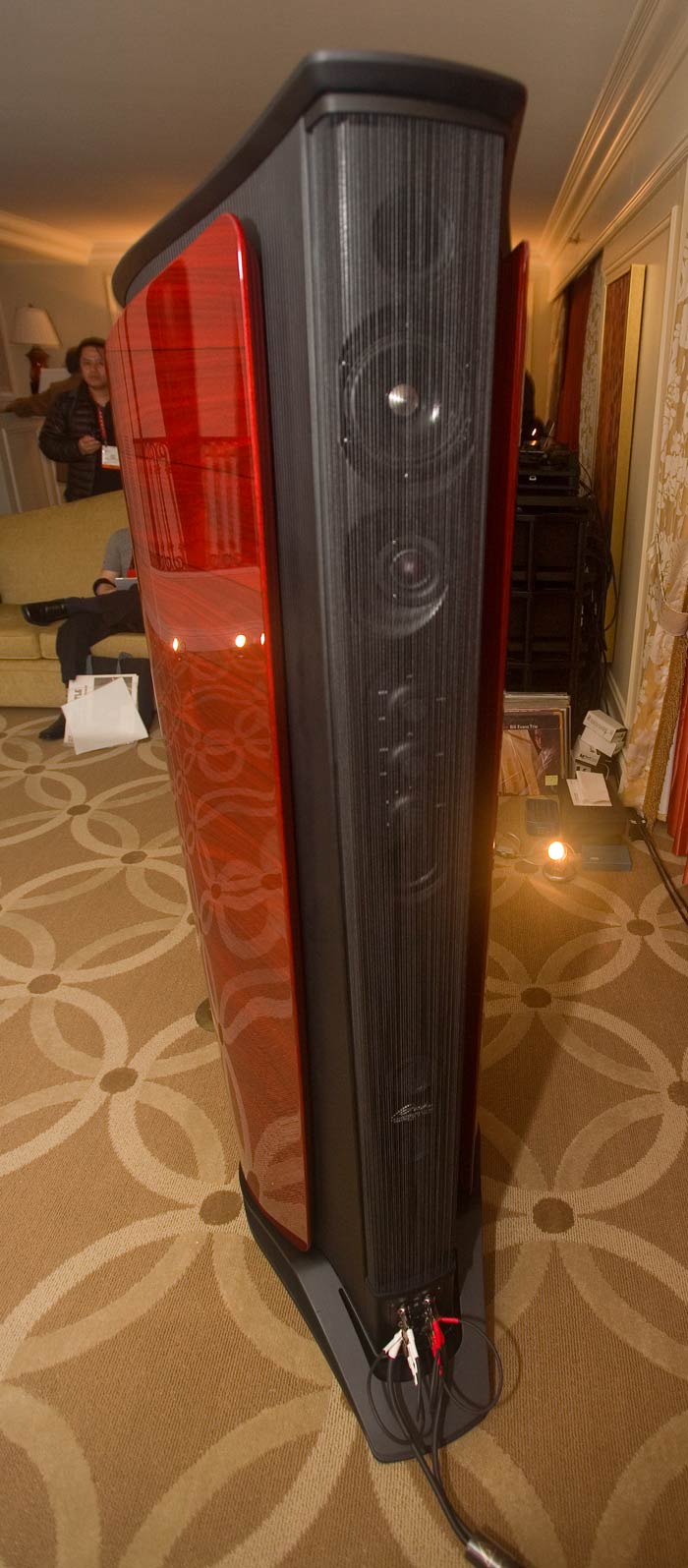
Scientific Fidelity’s Stylst loudspeakers


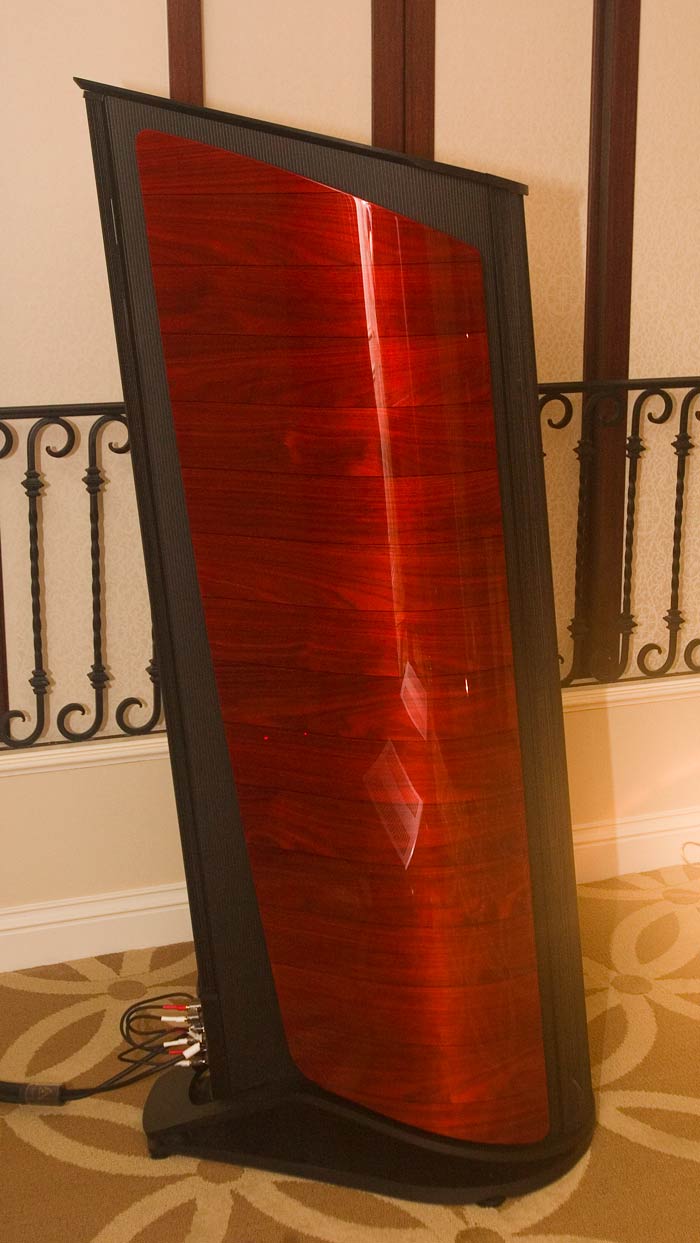
Scientific Fidelity’s Stylst loudspeakers


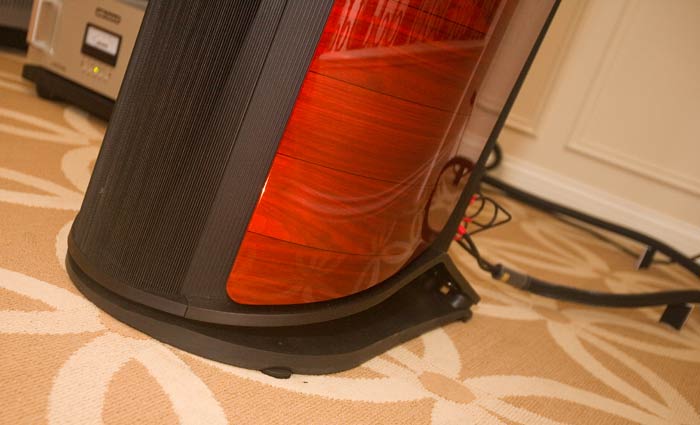
Scientific Fidelity’s Stylst loudspeakers


Scientific Fidelity’s Stylst loudspeakers


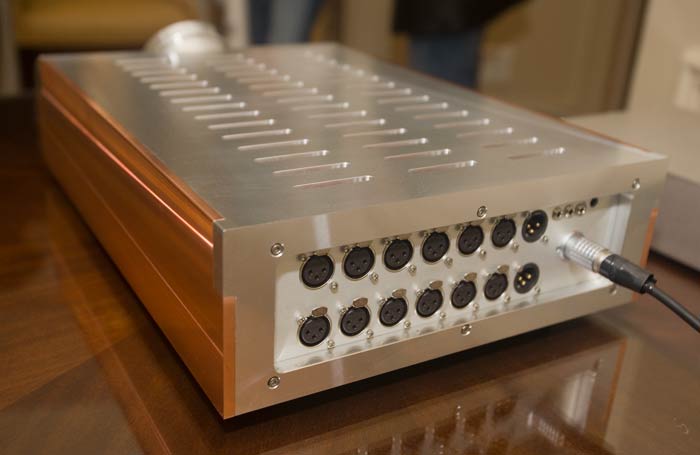
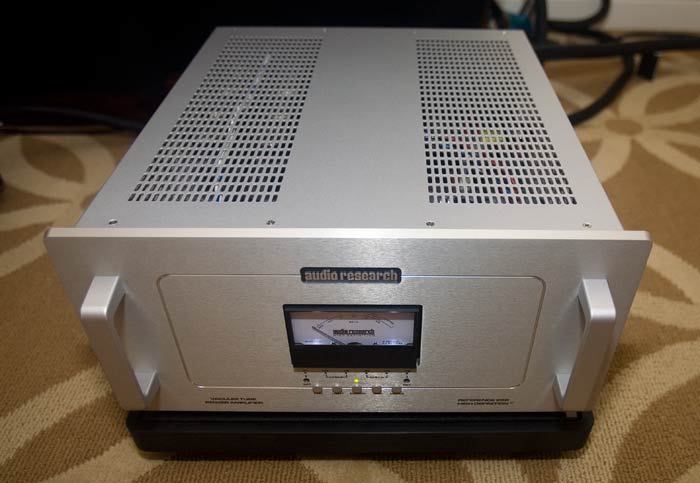
Scientific Fidelity’s Trillium amp


Scientific Fidelity’s Trillium amp


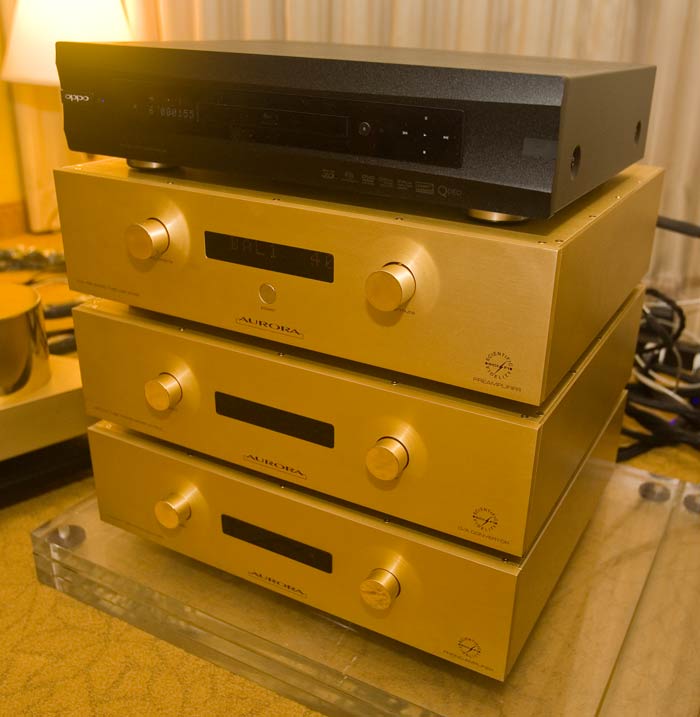
Scientific Fidelity’s Aurora preamp, DAC, and phono amplifier


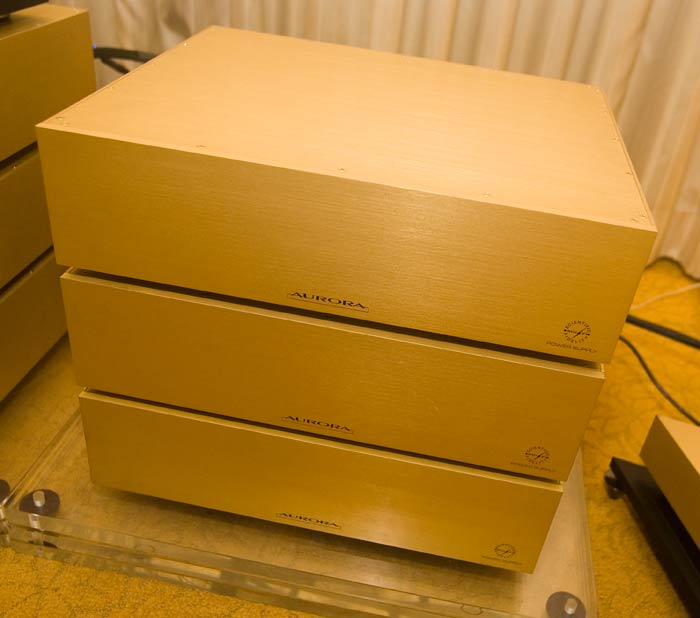
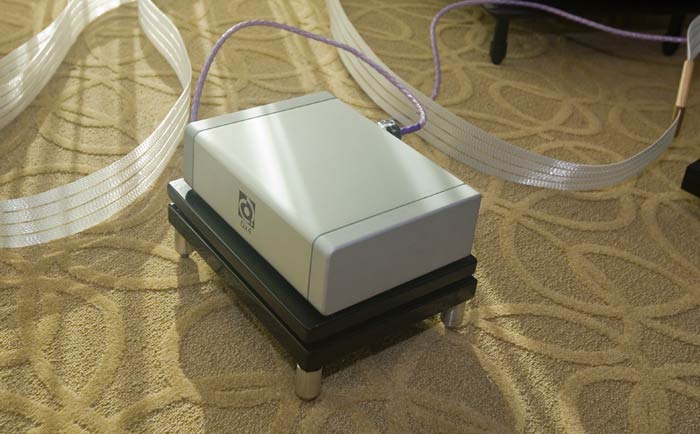
Scientific Fidelity’s Aurora power supplies


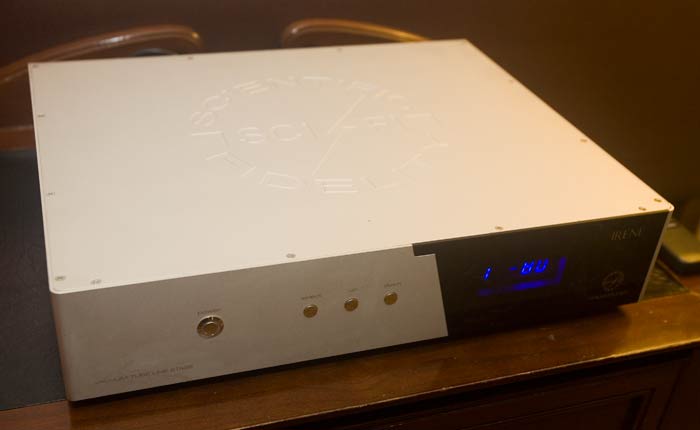
On static display Scientific Fidelity’s Irene line stage / preamp


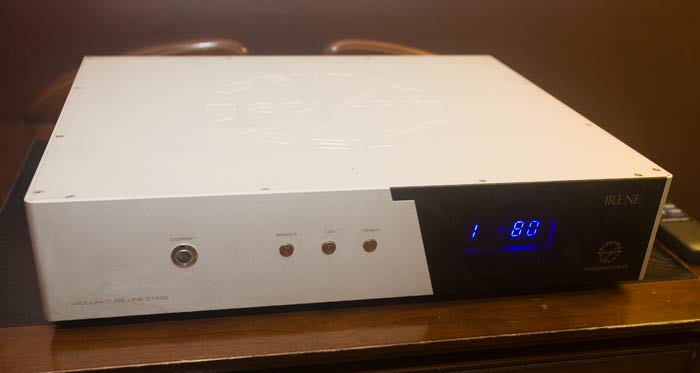
Scientific Fidelity’s Irene line stage / preamp

CES 2012 – Dan D'Agostino


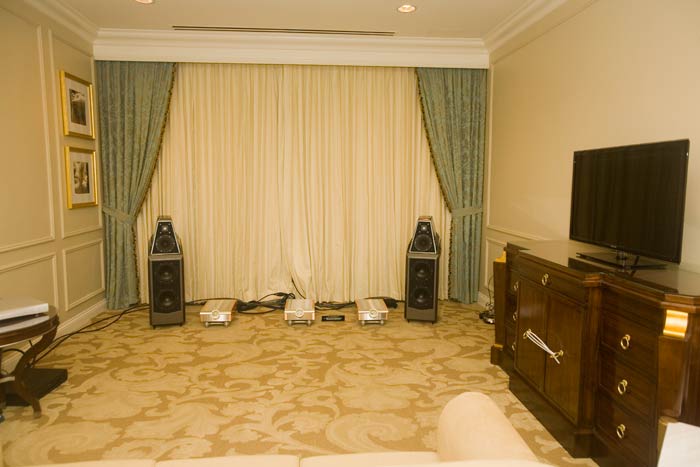
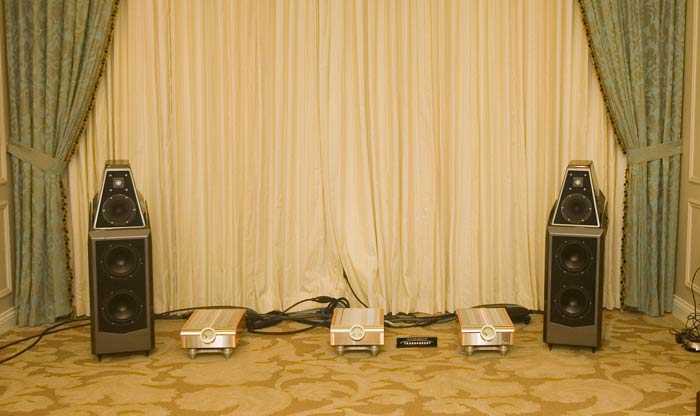
This room featured Dan D’Agostino amps and preamp on Wilson Audio Sasha speakers.


Dan D’Agostino amps and preamp on Wilson Audio Sasha speakers.


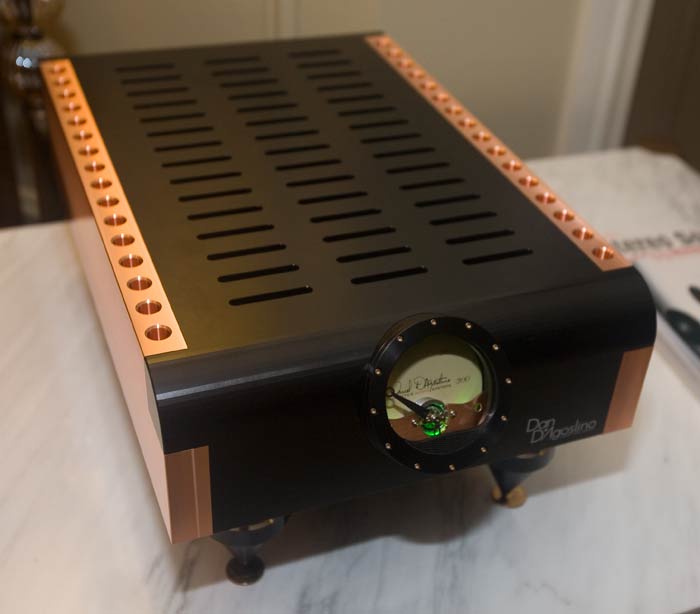
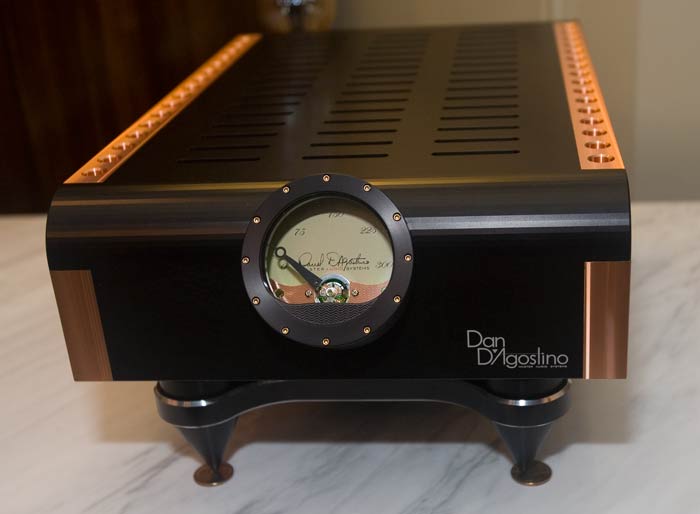
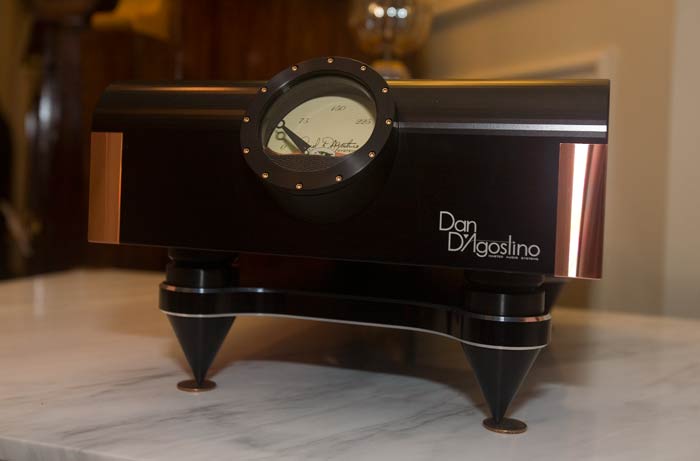
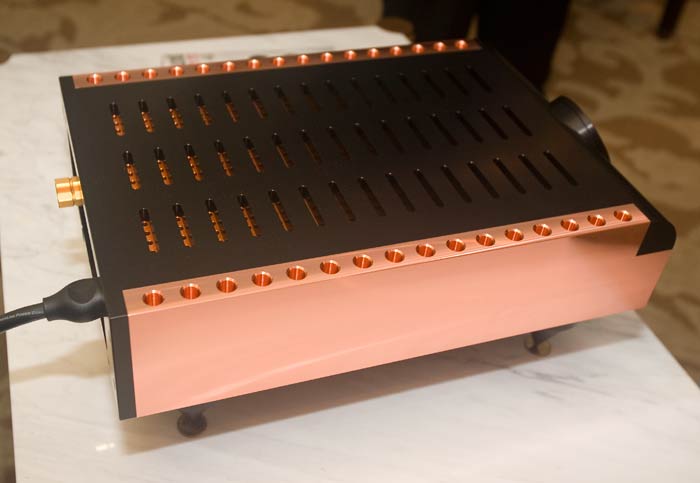
Dan D’Agostino Momentum amplifier in black


Dan D’Agostino Momentum amplifier in black


Dan D’Agostino Momentum amplifier in black


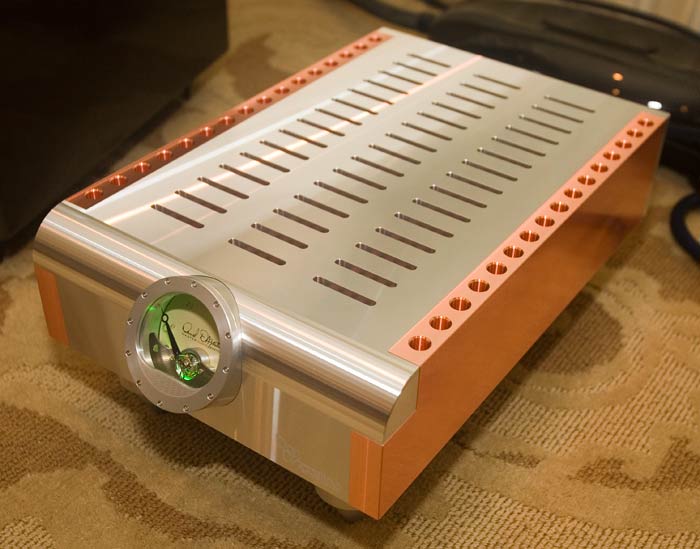
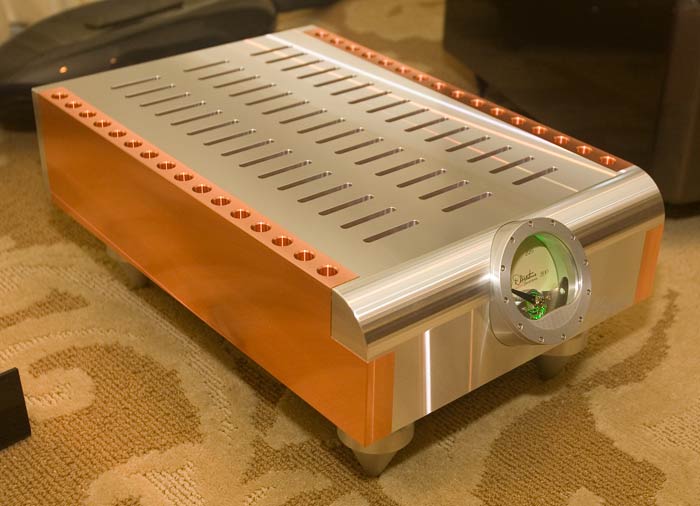
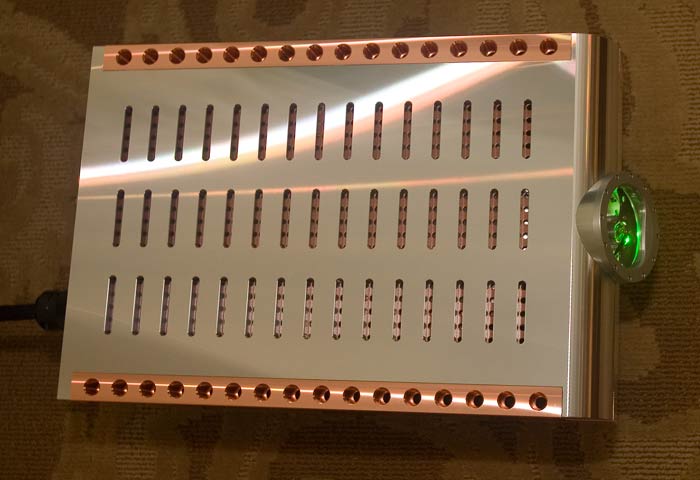
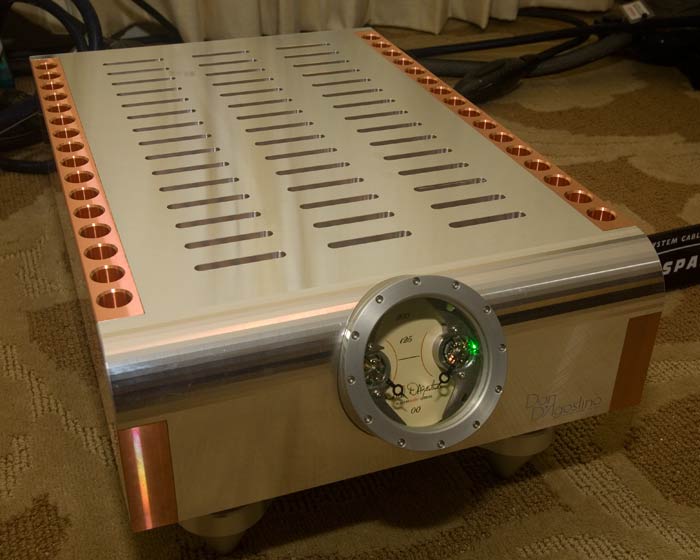
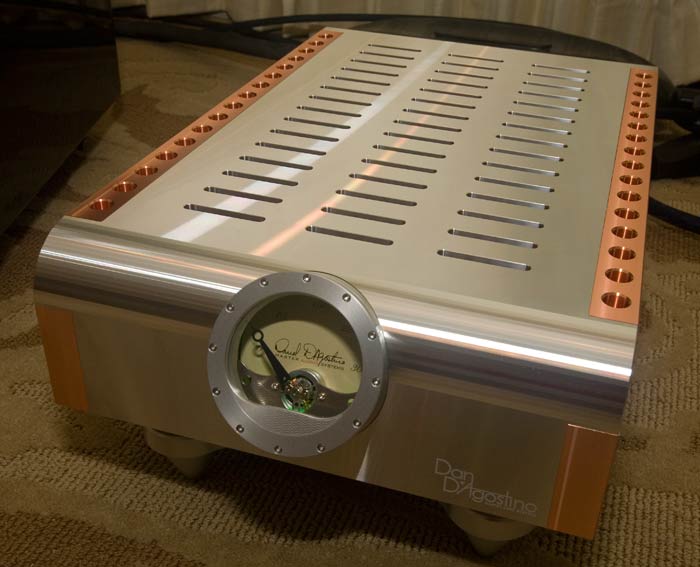
Dan D’Agostino Momentum amplifier


Dan D’Agostino Momentum amplifier


Dan D’Agostino Momentum amplifier from above


Dan D’Agostino Momentum amplifier in black side view


Dan D’Agostino Momentum preamplifier


Dan D’Agostino Momentum preamplifier


Dan D’Agostino Momentum preamplifier rear


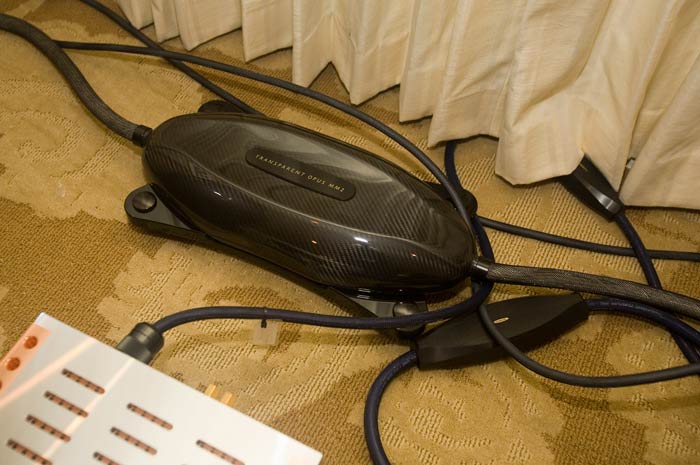
Transparent ‘Opus MM2’ cable


Wilson’s Sasha loudspeaker


Wilson Audio’s Sasha loudspeaker


Wilson Audio’s Sasha loudspeaker


Wilson Audio’s Sasha loudspeaker from above


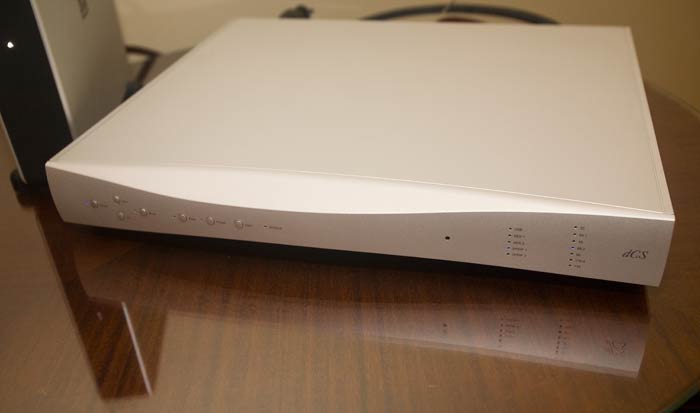
dCS Debussy DAC

CES 2012 – Magico, MIT Cables


Visited this room twice, the second time with Neli. Can’t ever play CDs here and the music they play is… often strikingly unfamiliar.

Or is it?

The bad news is that the music here was so disconnected from itself, so uneven, so discontinuous, just note here note there as if they came from different songs that even what should be a familiar musician was extremely hard to recognize [Neli said that a Mark Knopfler piece was played here, and we listen to Knopfler ALL the time, but I did not recognize it as being anything except for ‘reminiscent’ of Knopfler]. Harmonics were off, note duration was off. Argh.

The good news is that the speakers did all this effortlessly.

Why is this significant? Because from the old Magico Mini to the recent Q5, Magico speakers have sounded like they are always starved for power. That they are struggling to pump out each note. We’ve known Magico owners who swap out amp after amp trying to find something to get these puppies to loosen up, to open up, to breeeeathe.

But if the Q7 is different [it certainly is BIGGER. Whoa that is a lot of aluminum] then for people who require a BIG sound from their statement speakers – and most do – well then these do that. As for their ultimate ability to do micro-dynamics, to be controlled so that notes start and bloom and die correctly, to reproduce the emotions that most music is trying to communicate – well, that we hope to find out at the next show.

Haven’t read JV’s review of this room yet [presumably as Magico’s #1 guy he gets the inside scoop] but read enough of the comments while dealing with other business over there that Magico was playing hide-and-seek with the amps here, and apparently changing them once in a while.

I listened near 4-4:30pm on the 2nd day, Friday, and about 2 hours before closing on Sunday afternoon. Both the problems with the sound and the effortlessness of the speakers making the sound were similar on both occasions. So I am hoping that the effortlessness has much to do with the speakers and little or nothing to do with the amps [and this is a reasonable assumption too, based on the fact that, although we have heard many mega amps on Magico speakers, they have never opened up like this.]


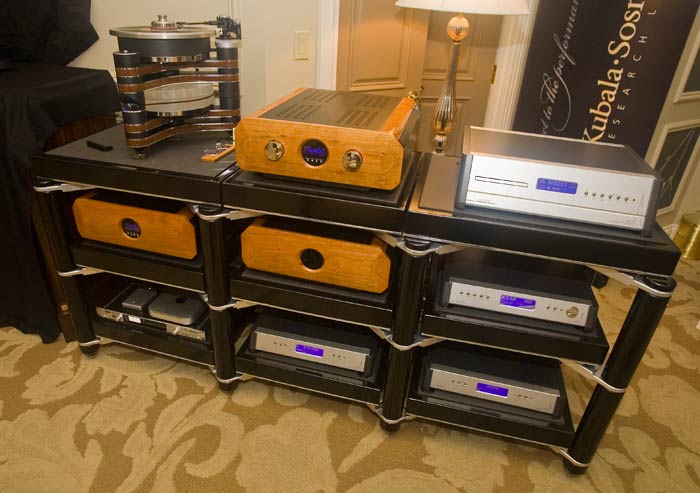
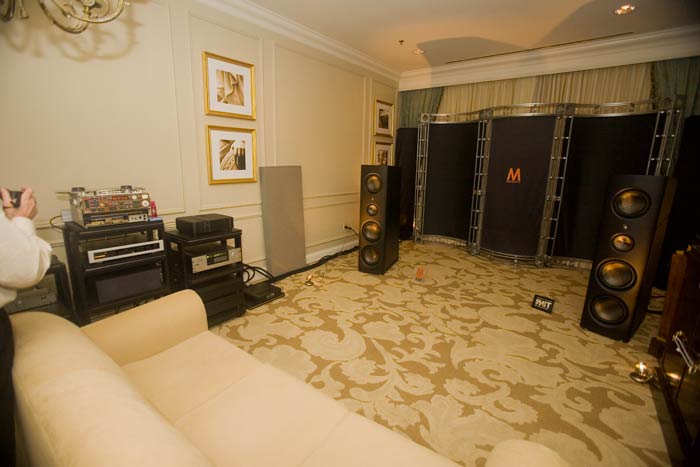
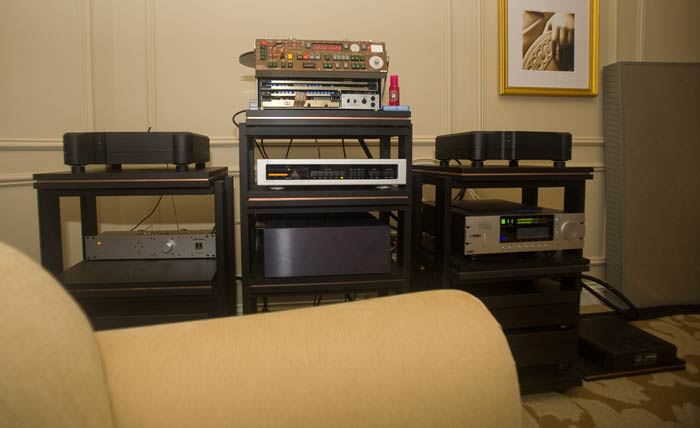
The Magico Q7 / MIT room with the rack on the left


The Magico / MIT room equipment rack. Not sure what that component on the middle left shelf is. No photo. Certainly one can wonder why they chose these particular pieces. I did not get to hear the Nagra reel-to-reel.


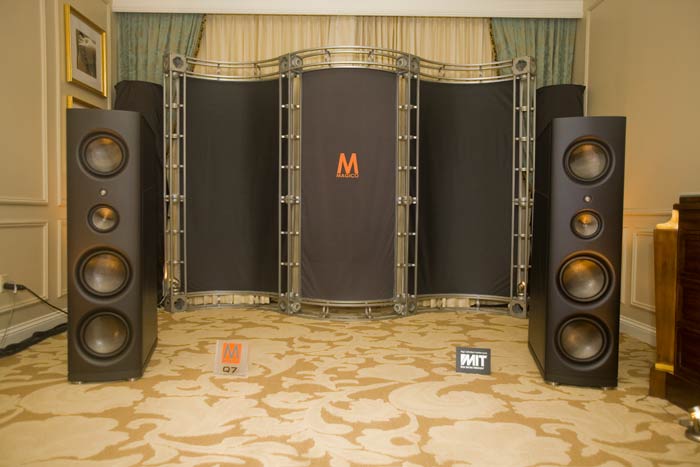
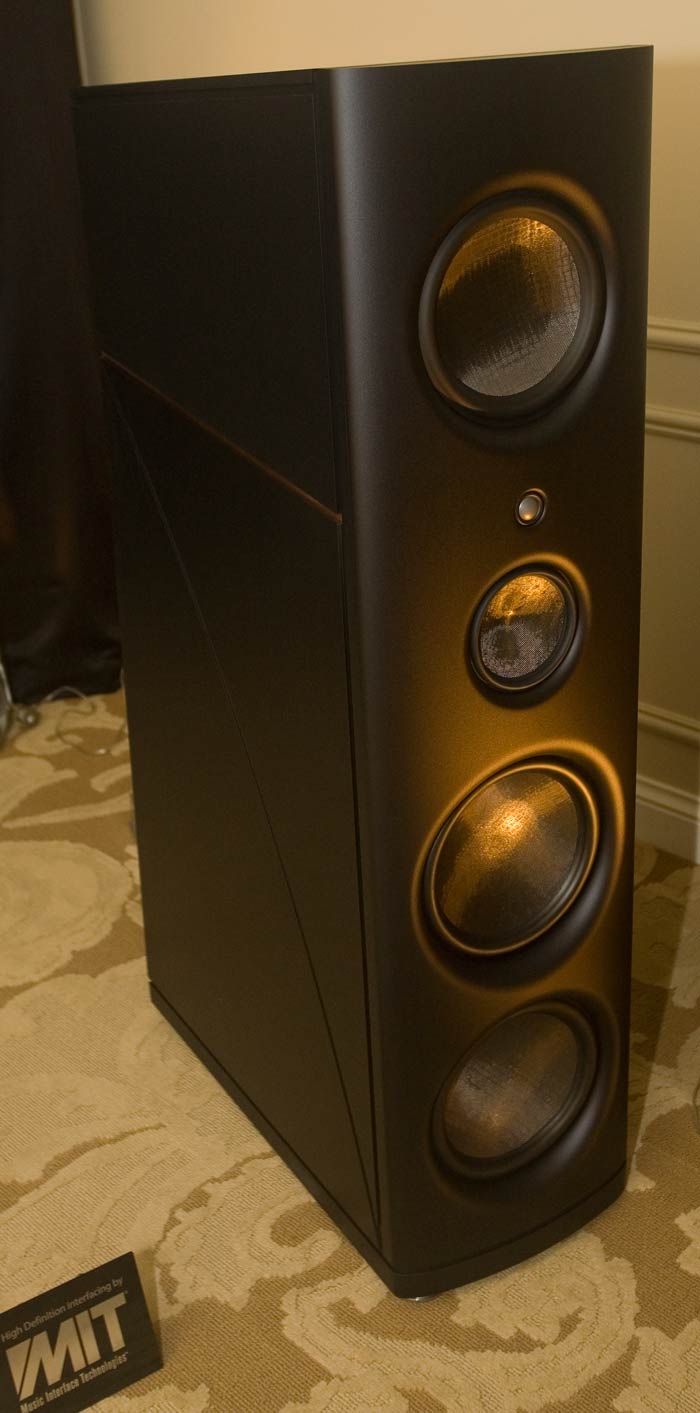
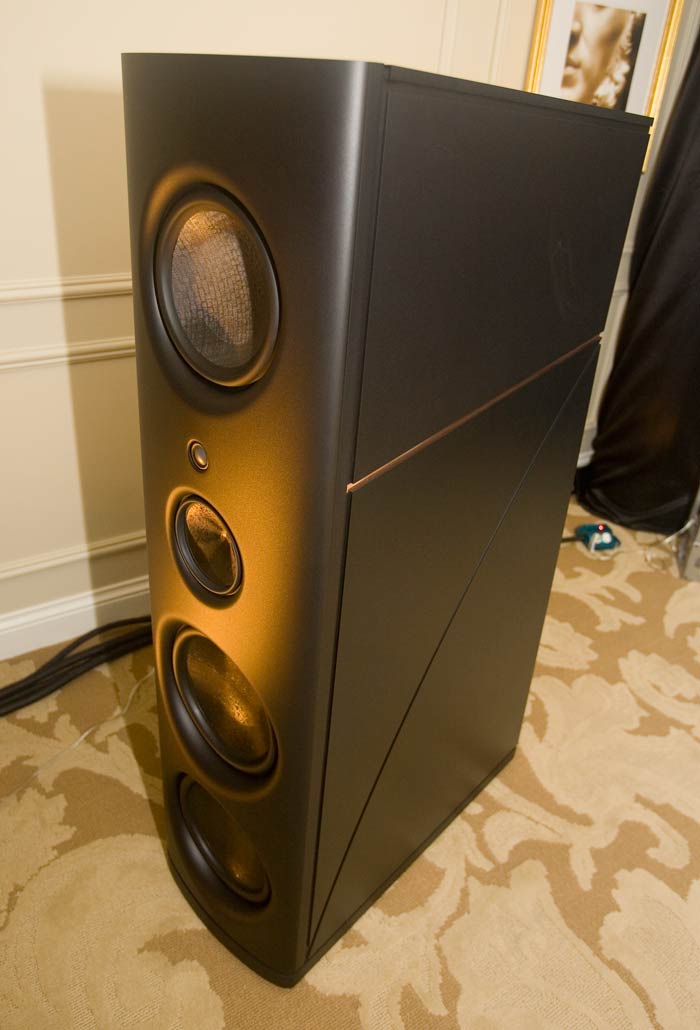
The Magico ‘Q7’ loudspeaker


The Magico ‘Q7’ loudspeaker


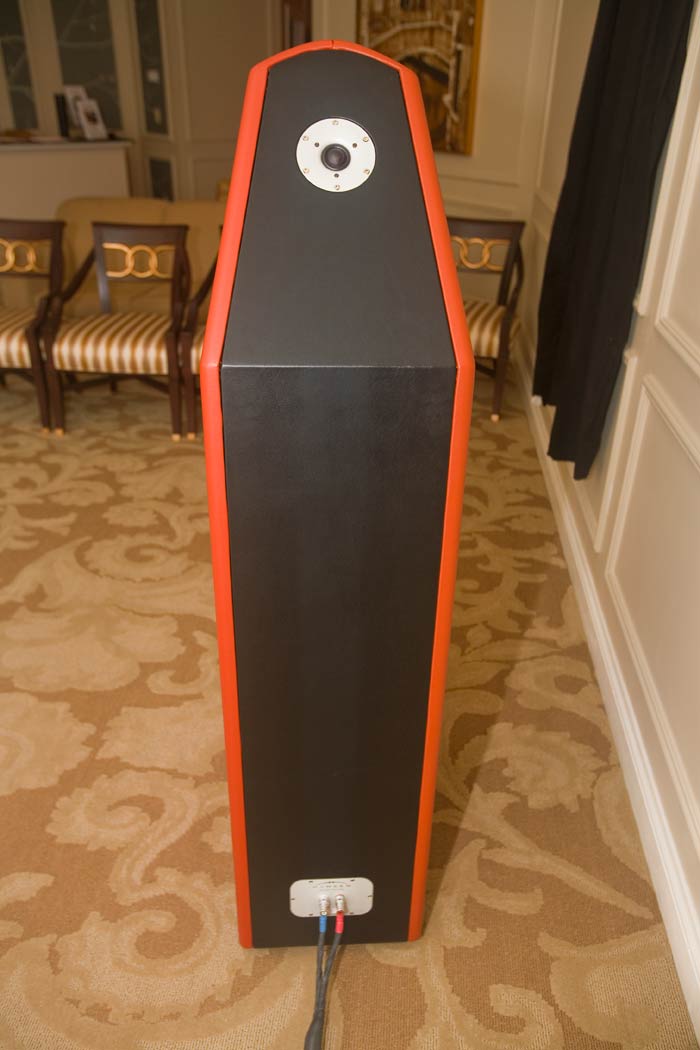
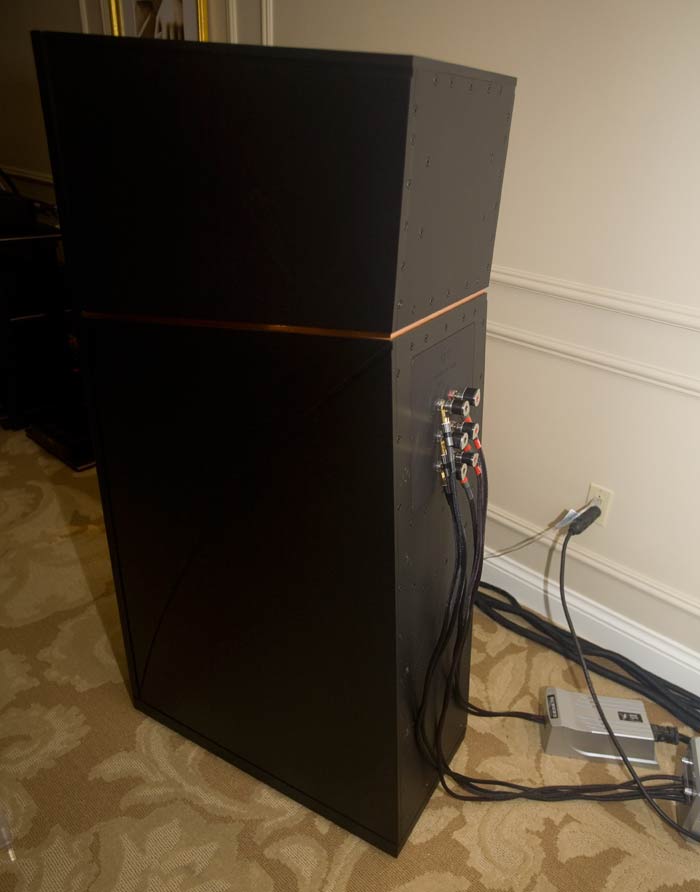
The Magico ‘Q7’ loudspeaker from the rear


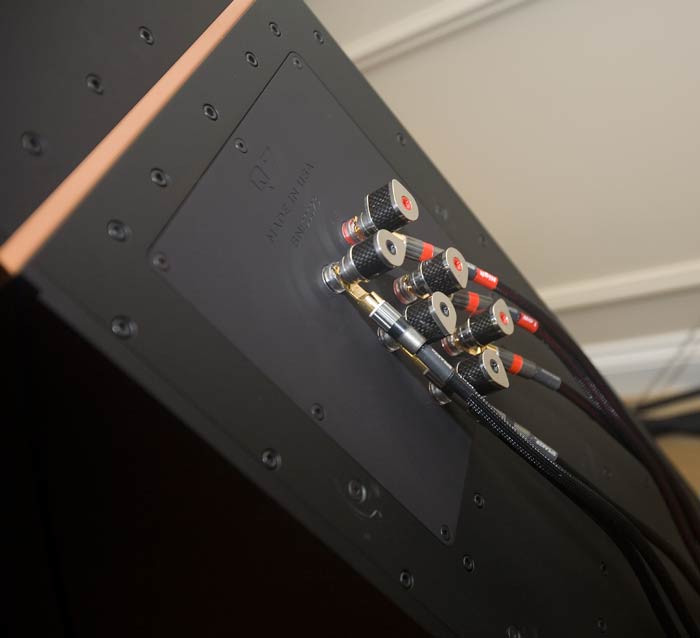
The Magico ‘Q7’ loudspeaker binding posts. Looks like they tri-wireable and are being tri-wired. Were they tri-amped? Don’t know.


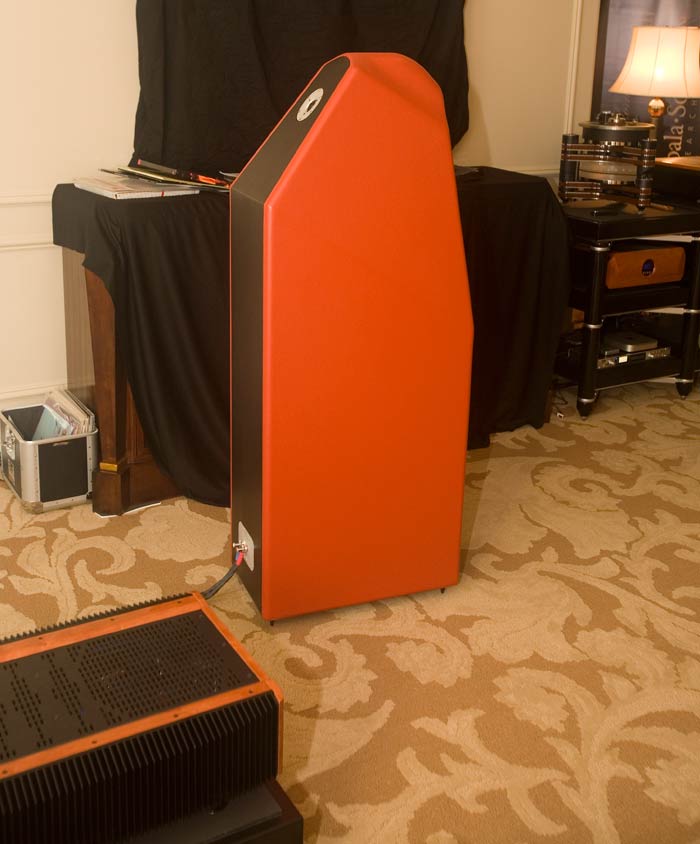
The Magico ‘Q7’ loudspeaker from the side


The Magico ‘Q7’ loudspeaker feet. OK. Lousy photo. But see? No spikes. But there is some kind of special stuff in those feet though…


An Unknown Audio Component [thought they may be the amps the first time I was here]


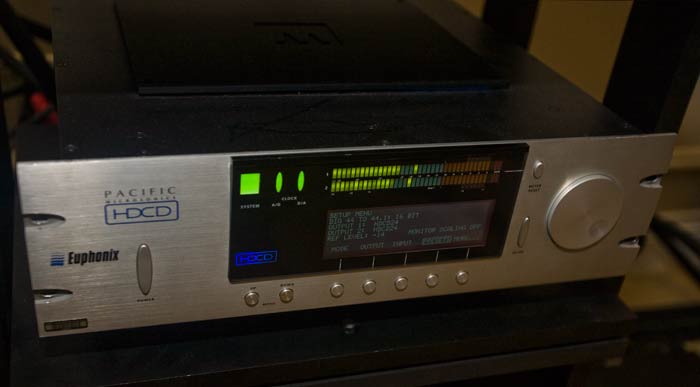
Pacific Microsonics / Euphonix HDCD converter


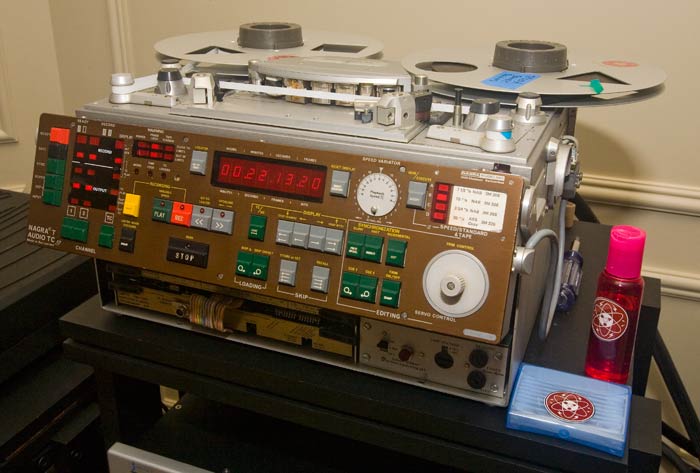
A Nagra Kudelski reel-to-reel tape deck


Spectral Studio Reference Preamplifier


MIT ‘Oracle MA-X’ cables

CES 2012 – TAD Laboratories


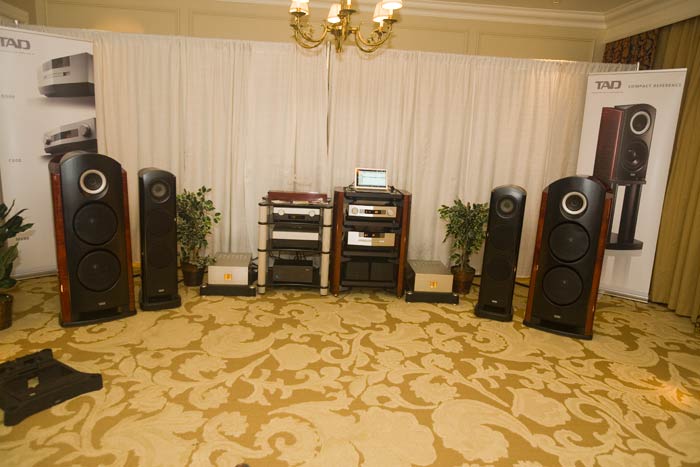
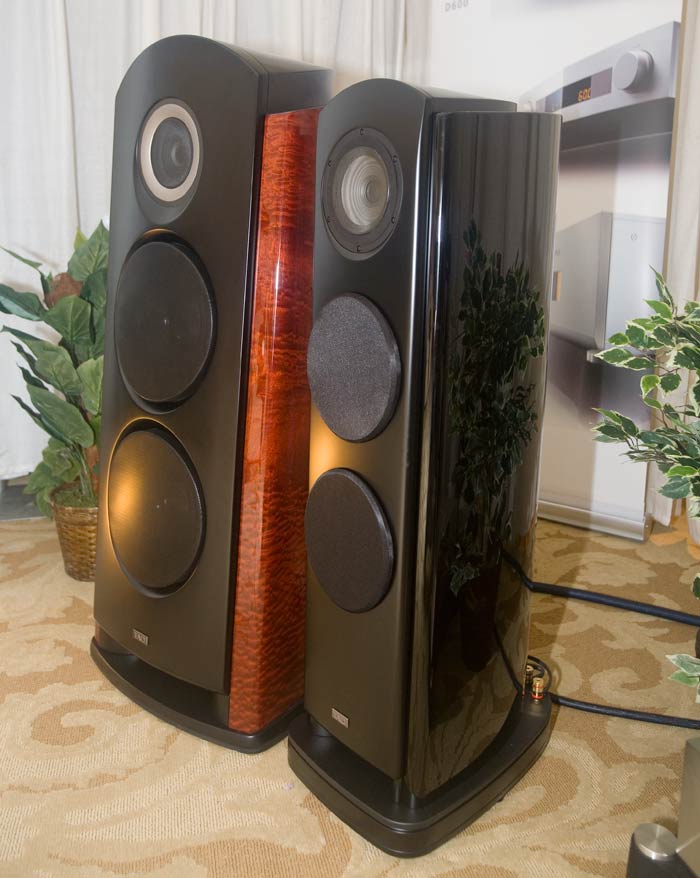
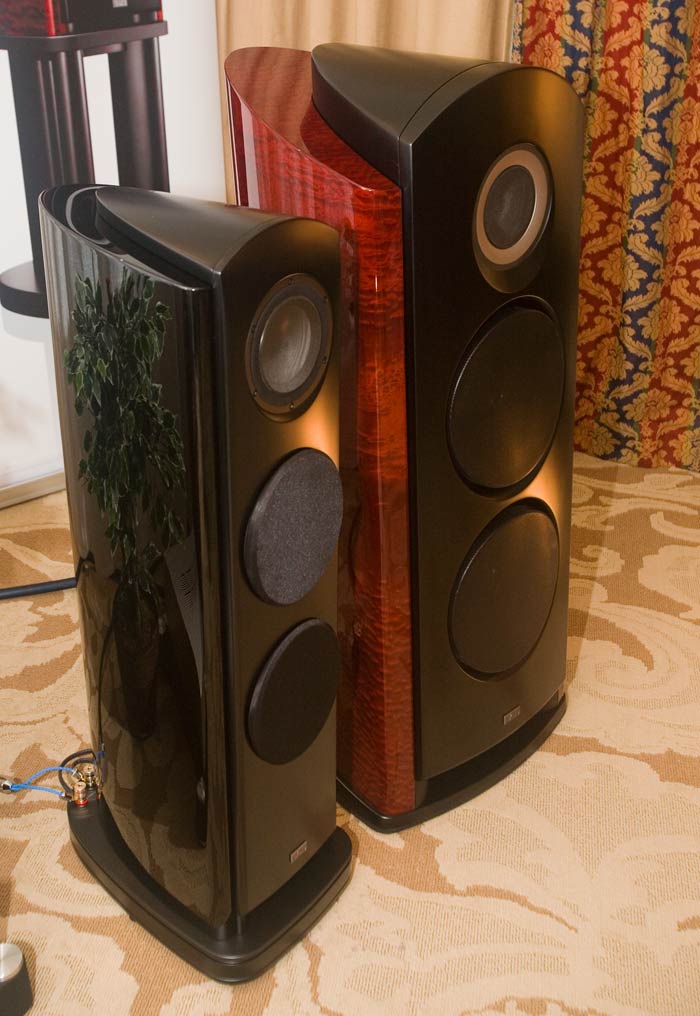
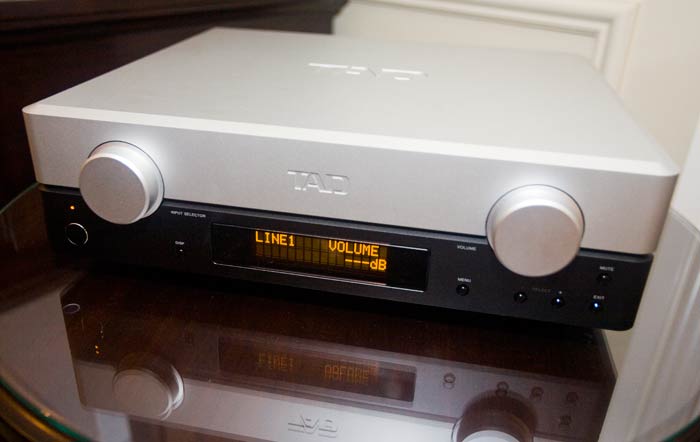
This year the TAD room displayed their E1 speakers, along side their usual, larger Reference One speakers. 100% TAD electronics here, some on a HRS ‘MXR’ rack and some on another rack [which, although ubiquitous, their name escapes me. They say now that our vocabulary peaks in our 60s and 70s. But how is this going to be of any use at all to me if I can’t remember anything? And I have decades to go. Argh.].

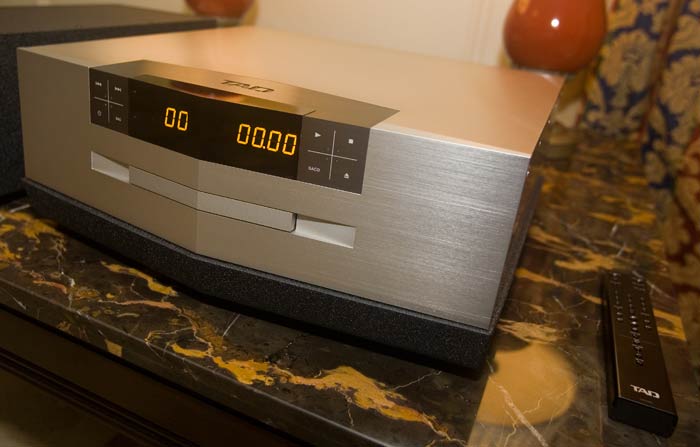
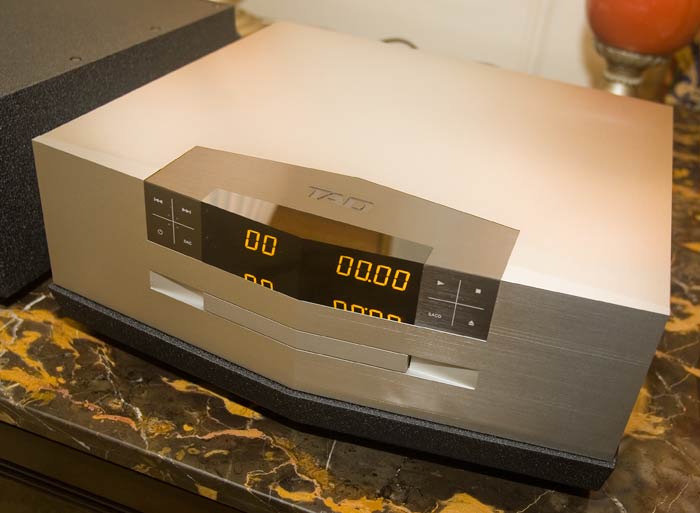
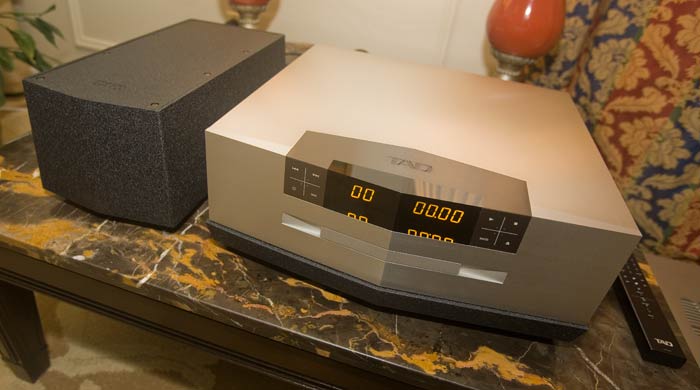
The photos will be a little confusing because they have several different ‘islands’ of gear on static display, which is turned on and so looks like it is part of the system but which, in fact, it is not.

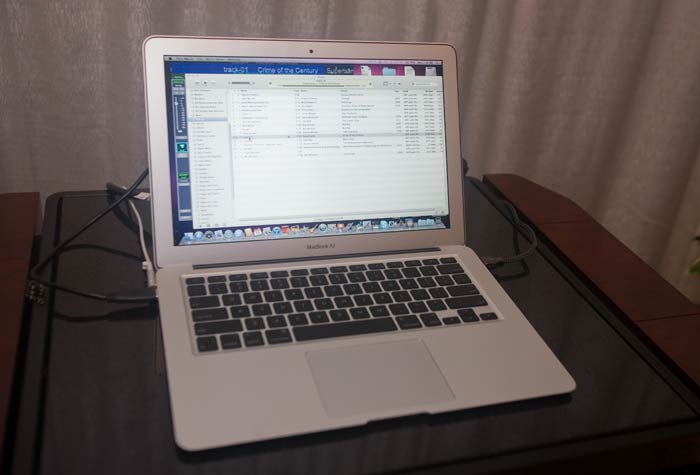
I sat and listened a little here. They announced they were going to put on a track from Supertramp that they had recorded off a tape that was a clone of the master tape. Cool. Turned out to be off the Crime Of The Century album. And as you see on the laptop at the bottom of this post, the cut was recorded in AIFF at 192x? at 9216 kbps. The cut was a familiar classic and what could be more fun – there is way too little classic rock-and-roll at these shows.

But, after the first few staccato notes, the sound became really confused and jumbled. Not like good old rock-and-roll confused and jumbled, but like one of my first systems with early digital confused, jumbled, weirdly compressed at places, notes running into each other, but not consistently, so the brain could not analyze, understand and at least be able to ‘tune out’ the errors [which the brain is excellent at doing]. Perhaps this is what the master tape sounds like? I have a bootleg Supertramp LP around here somewhere – curious – I should find it and see if we have a better version.

What I should have done is waited to see if they would play a CD. THEN we would know a lot more about what was going on here.


The smaller TAD E1 speakers next to the beefy Reference One speakers.


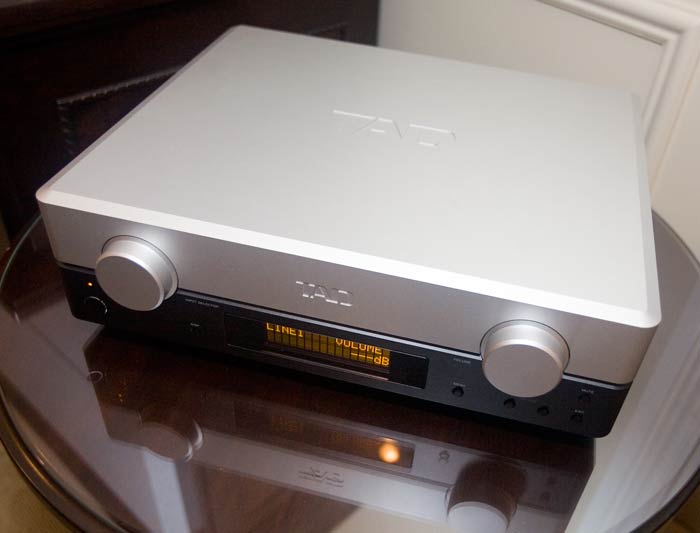
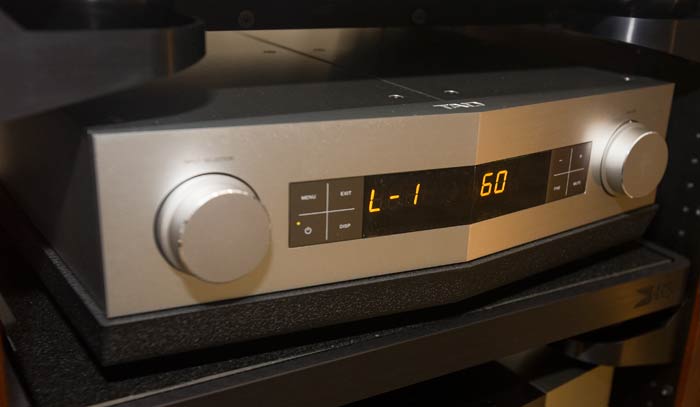
The TAD C2000 preamp on static display


The TAD C2000 preamp on static display


The TAD M600 monoblock amplifier


The TAD M600 monoblock amplifier


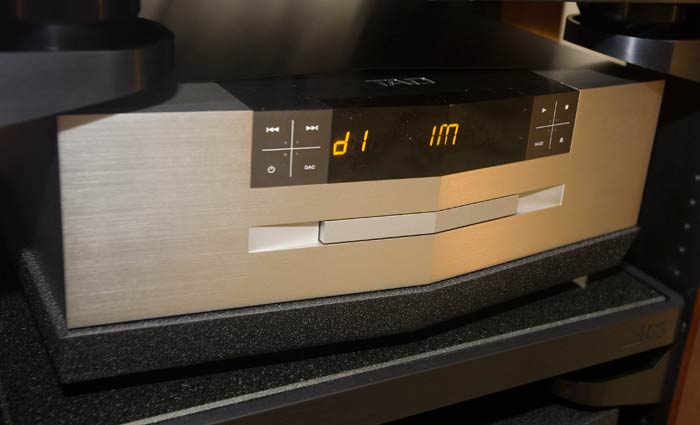
The TAD D600 CD player and remote control on static display


The TAD D600 CD player on static display


The TAD D600 CD player and power supply. I think one of these black box power supplies, which seem made of the same material that goes into their platforms, is supplied with each one of their components.


The TAD D600 CD player in the system


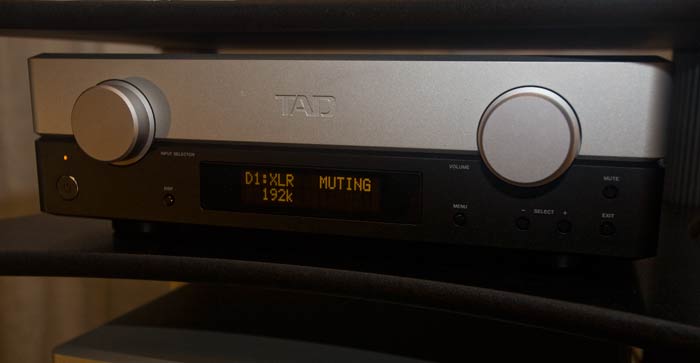
The TAD C600 preamp in the system


The TAD C2000 preamp being used in the system


The laptop that played the cut from Supertramp’s Crime of the Century album

CES 2012 – BSG Technologies


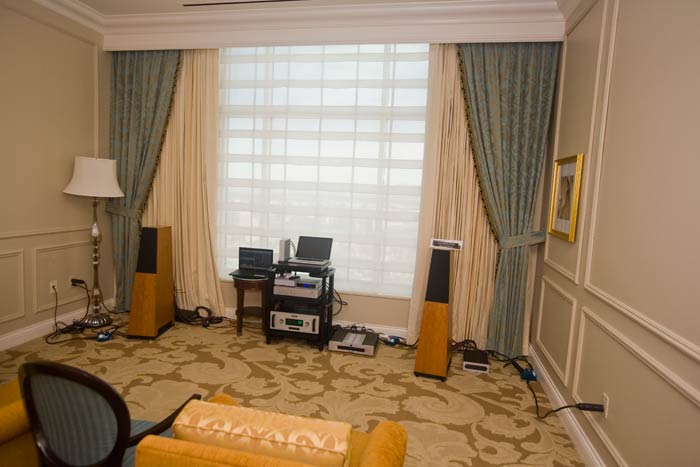
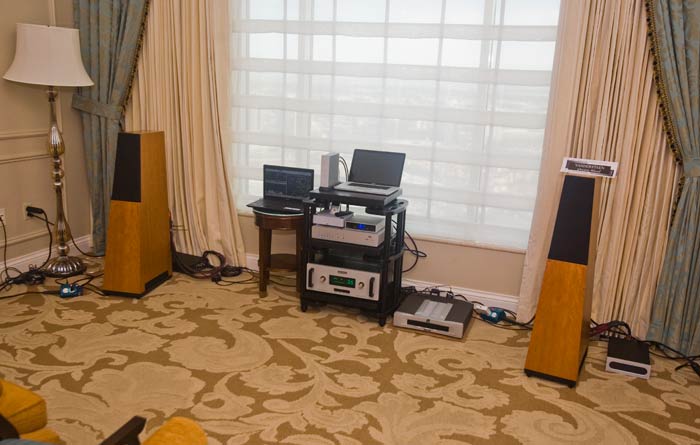
Didn’t spend much time in the BSG Technologies room, which had the Vandersteen Quatro speakers, Audio Research electronics, PS Audio power conditioning, on a HRS ‘SXR’ equipment rack.

But maybe I should have spend more time: “bsg technologies has developed a method of retrieving sonic information from audio signals that provides a realistic and complete rendering of the original acoustic event”. Seems pretty cool.


Closer view of the system with Vandersteen Quatro speakers and BSG Technologies ‘Qol’

CES 2012 – Hansen Audio, Critical Mass Systems, Kubala-Sosna, Tenor


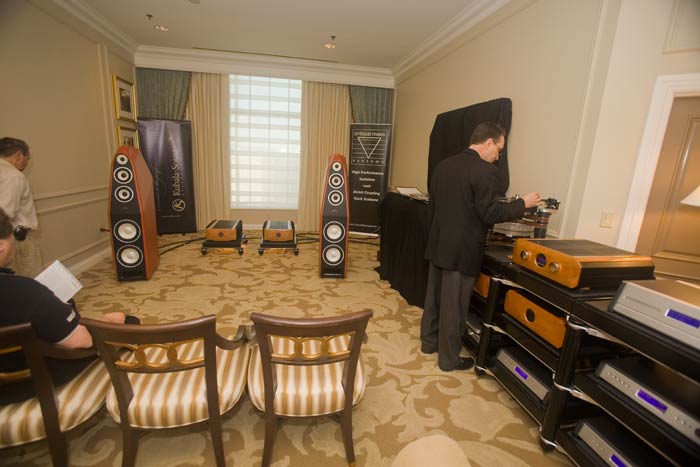
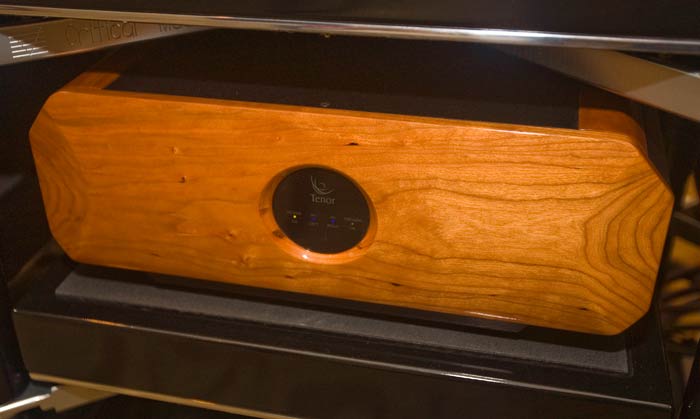
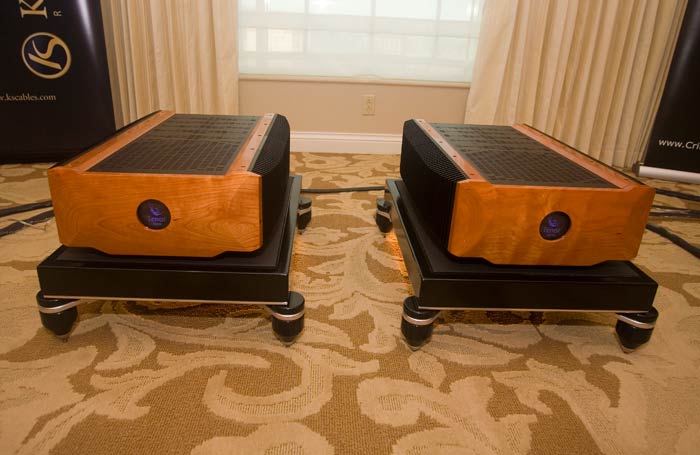
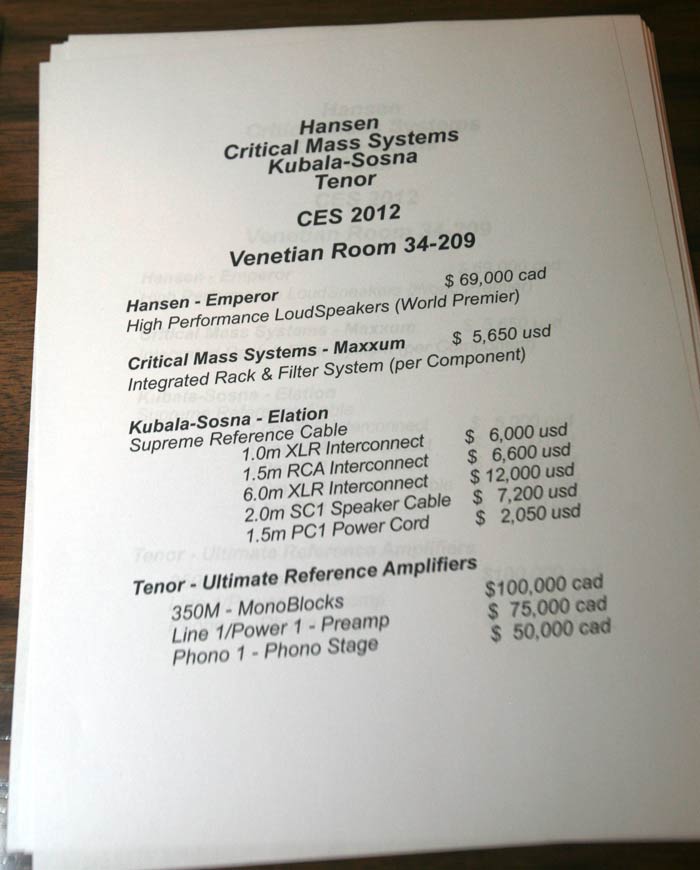
The room featured Hansen Emperor speakers on Tenor 350M monoblock amplifiers, with dCS digital, Clearaudio turntable, using Kubala-Sosna cables on Critical Mass Systems racks.

Hansen Audio has changed the look of their speakers. Instead of the old cool deep black melted cabinet look they now have a more normal-shaped speaker cabinet. These new Emperor speakers look to have the same number of drivers as the old Kings.

They played the turntable while I was here – through the Tenor phono stage through the Tenor amps into the speakers.

Unfortunately, I found the sound here strangely disconnected – uneven from top-to-bottom, some areas sounding harmonically normal, some sounding a little dry, some dynamic, some flat.

I like the Hansen speakers [one of our friends has the old Prince], and the Tenor amps sound good a few doors down in the YG Acoustics room, so… this room was disappointing for me.


Hansen preamp, phono stage, DCS digital, all on Critical Mass Systems rack


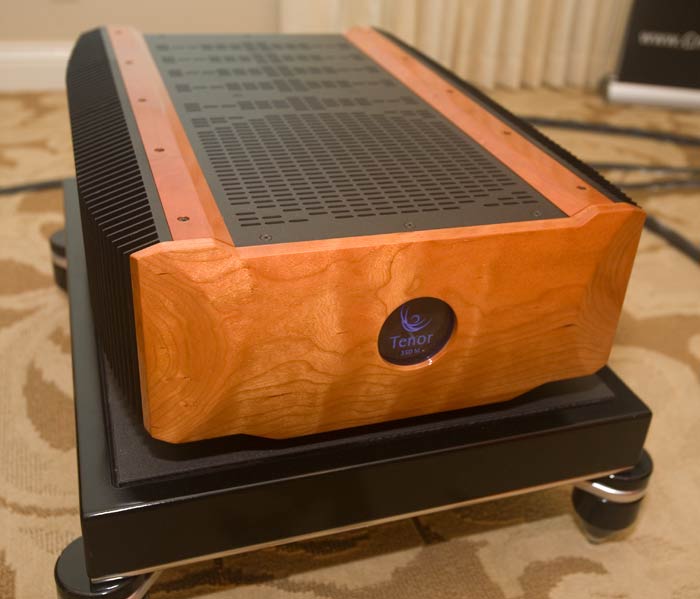
Hansen Audio ‘Emperor’ speakers and Tenor’s 350M amplifiers


Hansen Audio ‘Emperor’ speakers


Hansen Audio ‘Emperor’ speakers from the side


Hansen Audio ‘Emperor’ speakers from the rear


Hansen Audio ‘Emperor’ speakers from the rear at an angle


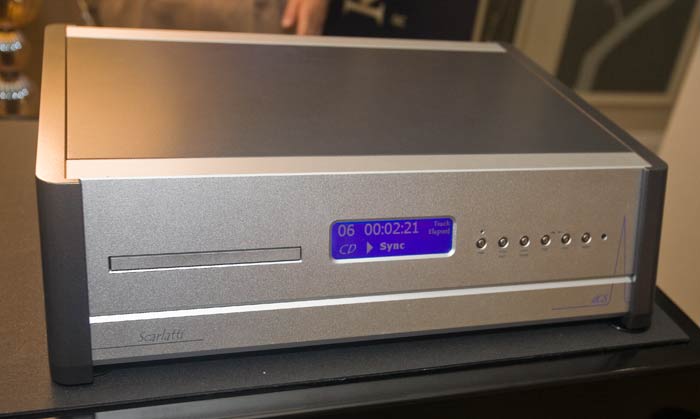
dCS Scarlatti CD /SACD transport


dCS Scarlatti DAC


dCS Scarlatti Master Clock


Tenor Audio’s Line-1 preamp


Tenor Audio’s Power 1 preamp power supply


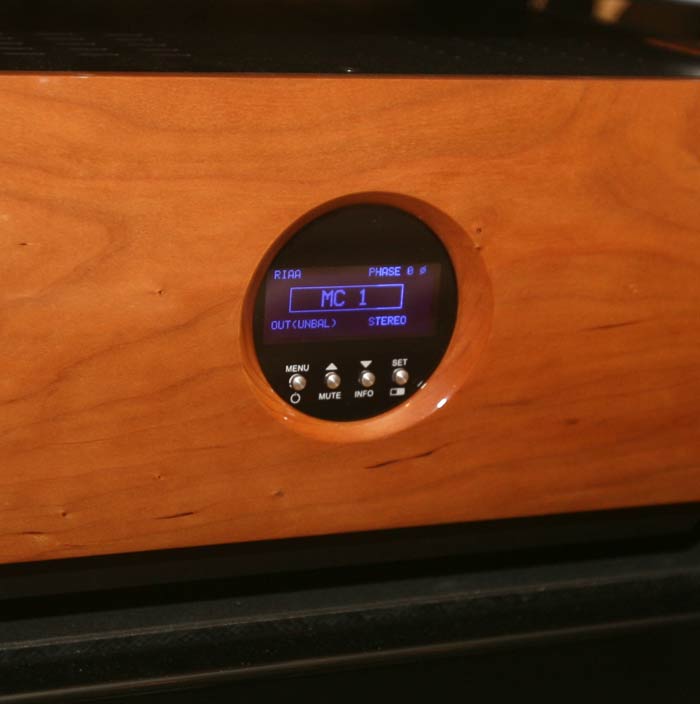
Tenor Audio’s phono stage front panel, close-up


Korg MR 2000S Studio Recorder


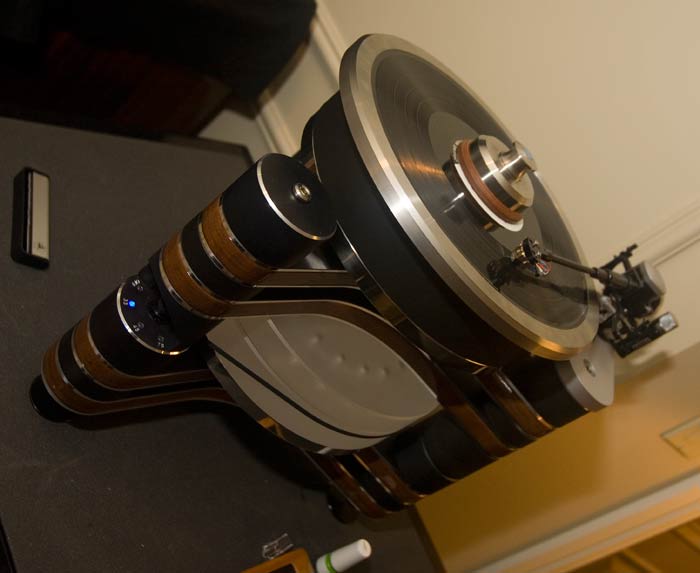
Clearaudio turntable [not sure which one]


Clearaudio turntable


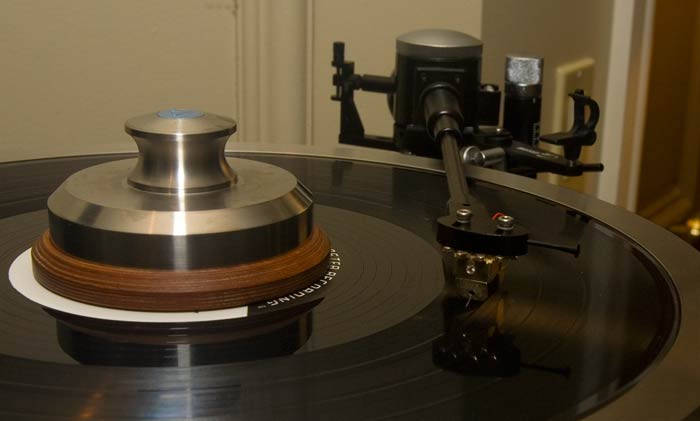
Clearaudio turntable playing an LP


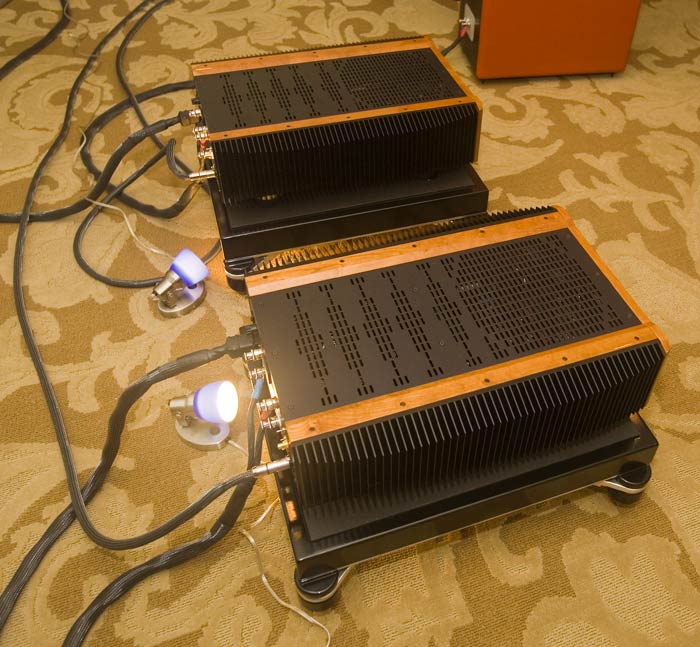
Tenor Audio 350M amplifiers


Tenor Audio 350M amplifiers


Tenor Audio 350M amplifiers on Critical Mass Systems amp stand


Rear of Tenor Audio 350M amplifiers and Kubala-Sosna cables


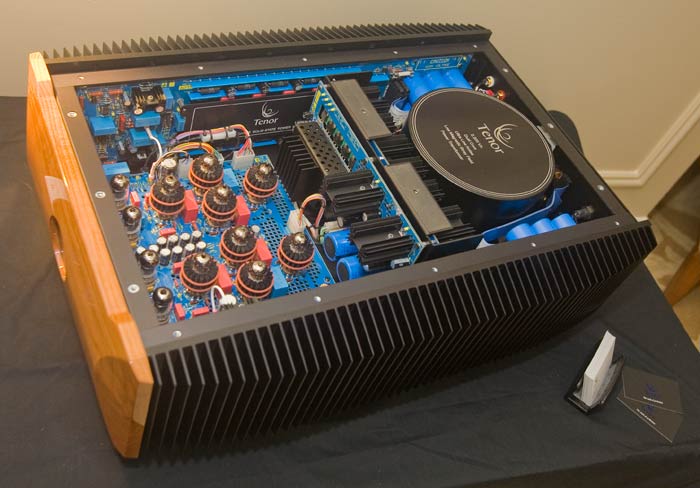
On static display: Tenor Audio 175S amplifier


On static display: Tenor Audio 175S amplifier open chassis


On static display: Tenor Audio 175S amplifier open chassis


On static display: Tenor Audio 175S amplifier rear panel


Room manifest…

CES 2012 – MBL North America


[OK. It is about 4:00pm on the 2nd day. Done with 4 of 6 wings on the 29th and 30th floors of the Venetian Towers. We now popup to the 34th and 35th floors for a bit – not too many rooms up here but we will only do about half of them now (my camera’s memory cards filled up) – and then jet over to the Flamingo, get another memory card, and do the shorter hallway on the 4th floor before closing at 6:30pm]

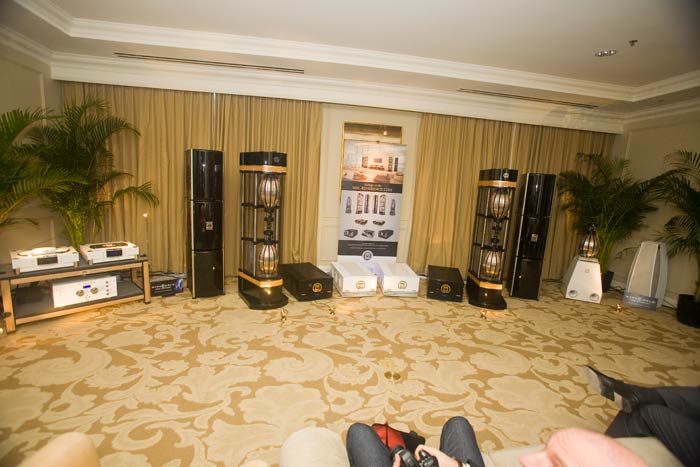
It is hard to communicate, and almost impossible to overstate, the spectacle of the setup in this room.

This was very, very impressive visually – this is a large, large room. The IsoMike / EmmLabs room is like this, but there the Sony speakers are normal sized, and even the previous setups with the big SoundLab speakers there in years past was… well, that was close. Not quite as dynamic or relentlessly engulfing as this was however.

I included several photos of the room [should have taken one with the people and the seating] to try and convey the sense of being there. When we put this in the Gallery Photos, the full-screen photos should do a better job.

It was also impressive sonically. As an aside, I cannot remember a single room playing their system too loud at this show – including this one, one of the prime offenders in years past.

The sound was very well-balanced top to bottom, good even handed dynamics, Enjoyable… I remember thinking that a casual listener, and what I imagine to be the desires of many non-audiophiles out there – would be quite satisfied with this sound – especially for entertaining their friends, at parties etc.

The real problem, from an audiophile / avid listener / music fanatic point of view is that there is not enough subtle details / micro-dynamics etc. for there to be much transparency at all – it is just extremely hard to imagine that there is really a piano ‘out there’, or a guitar, or whatever. To determine if it is a keyboard playing or a piano. Disbelief does not get suspended.

Not sure how important any of this is to the average person [I would guess NOT], but these speakers just do not do these things that we take for granted with other high-end speakers.

But it is really fun to listen to.
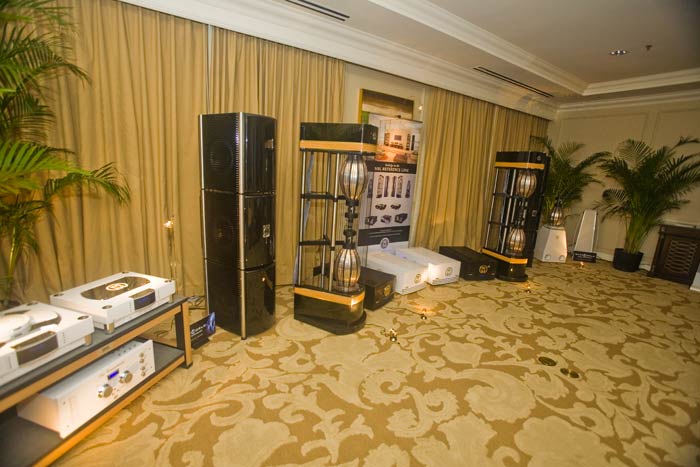

The MBL 101 X-treme loudspeakers
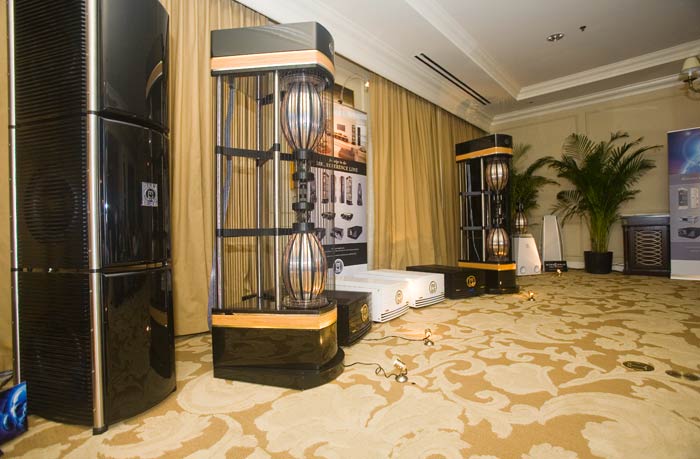

The MBL 101 X-treme loudspeakers
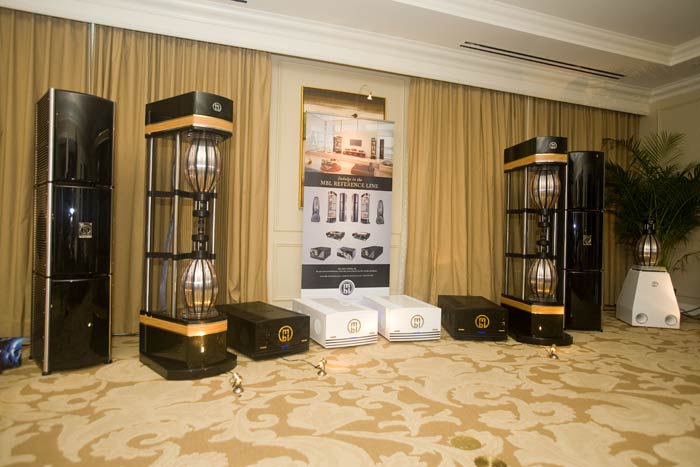

The MBL 101 X-treme loudspeakers and MBL amplifiers
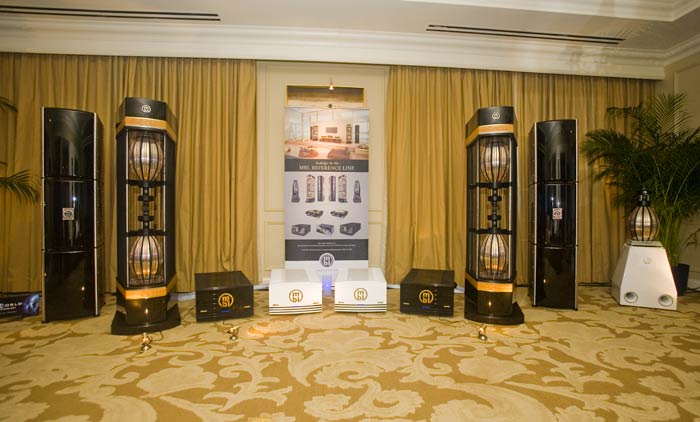

The MBL 101 X-treme loudspeakers and MBL amplifiers
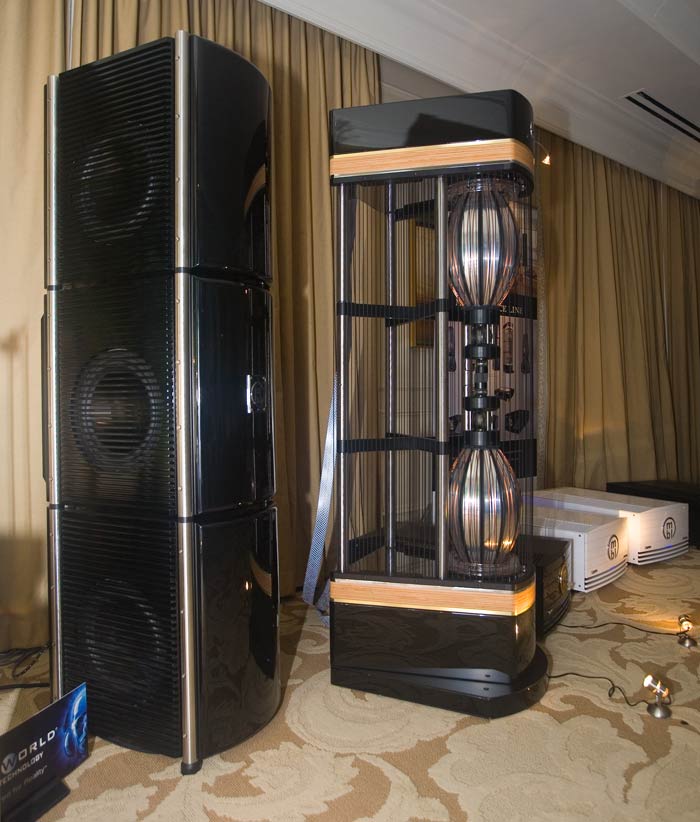

The MBL 101 X-treme loudspeaker
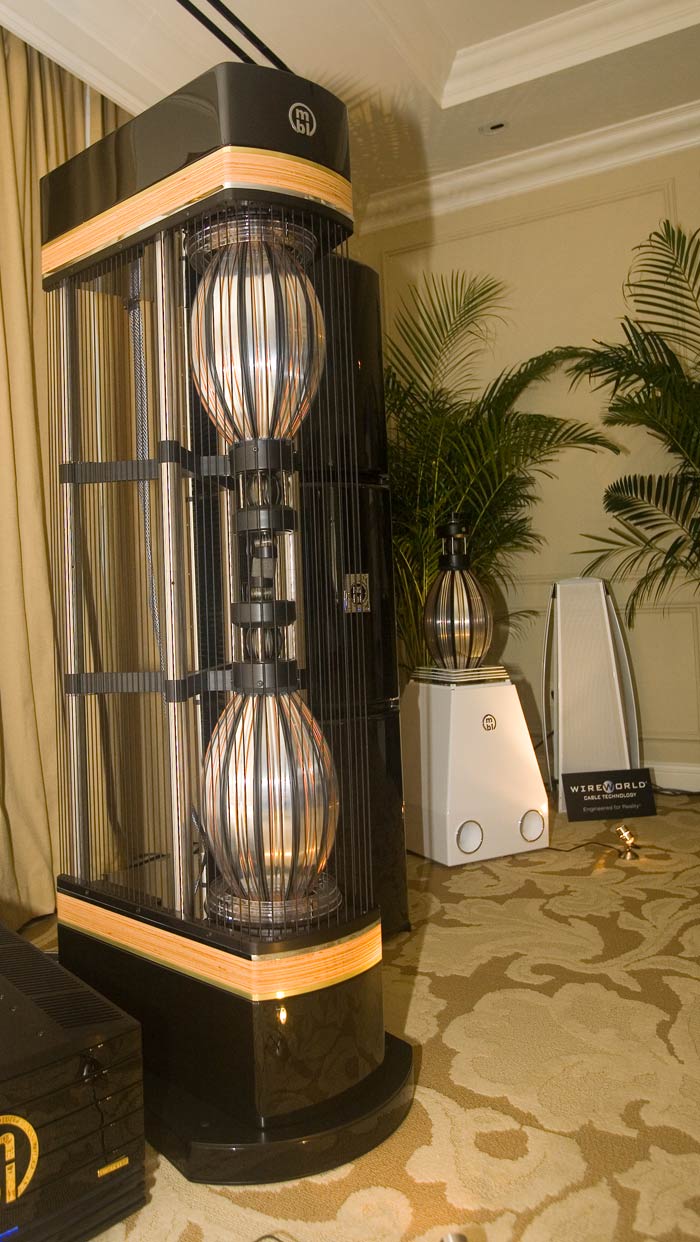

The MBL 101 X-treme loudspeaker and 101E MkII speakers
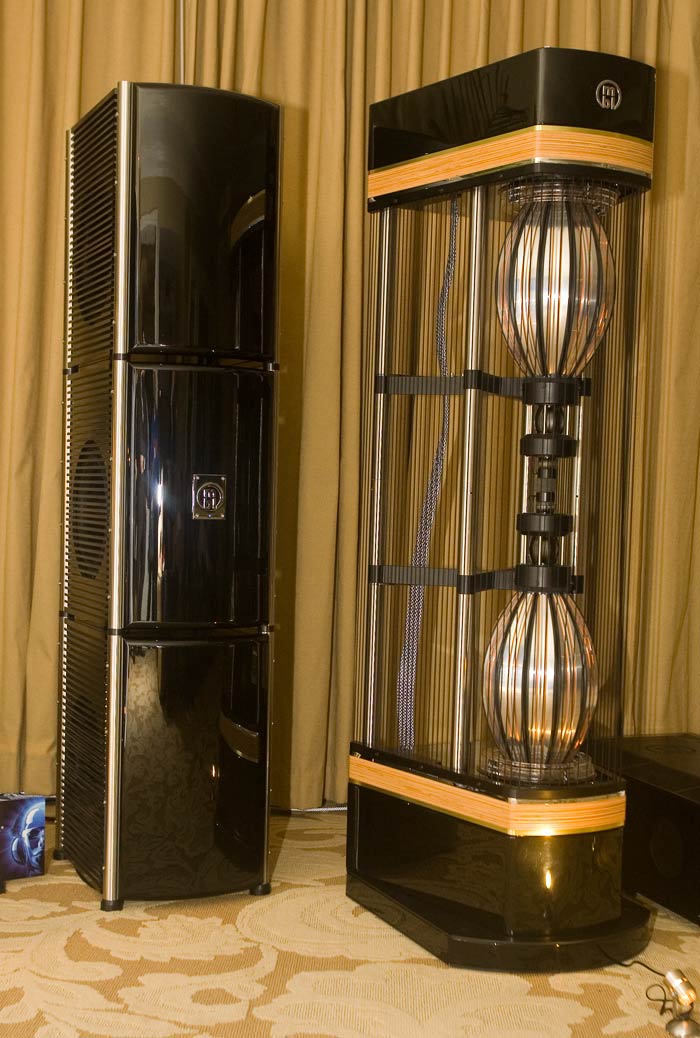

The MBL 101 X-treme loudspeaker
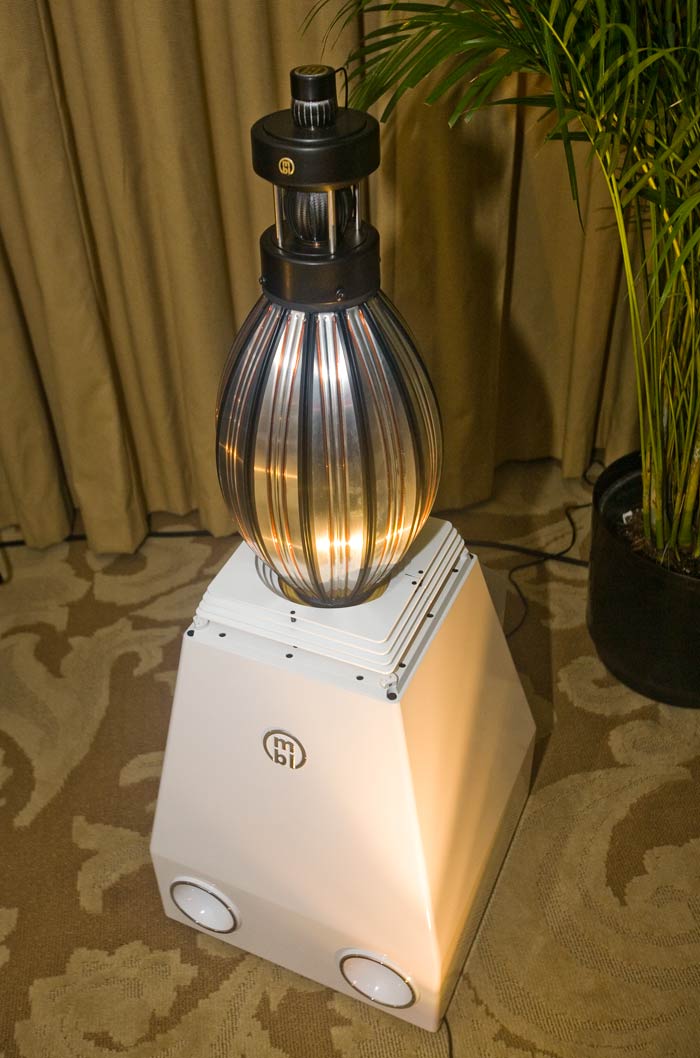

The MBL 101E MkII loudspeaker without cover / cage
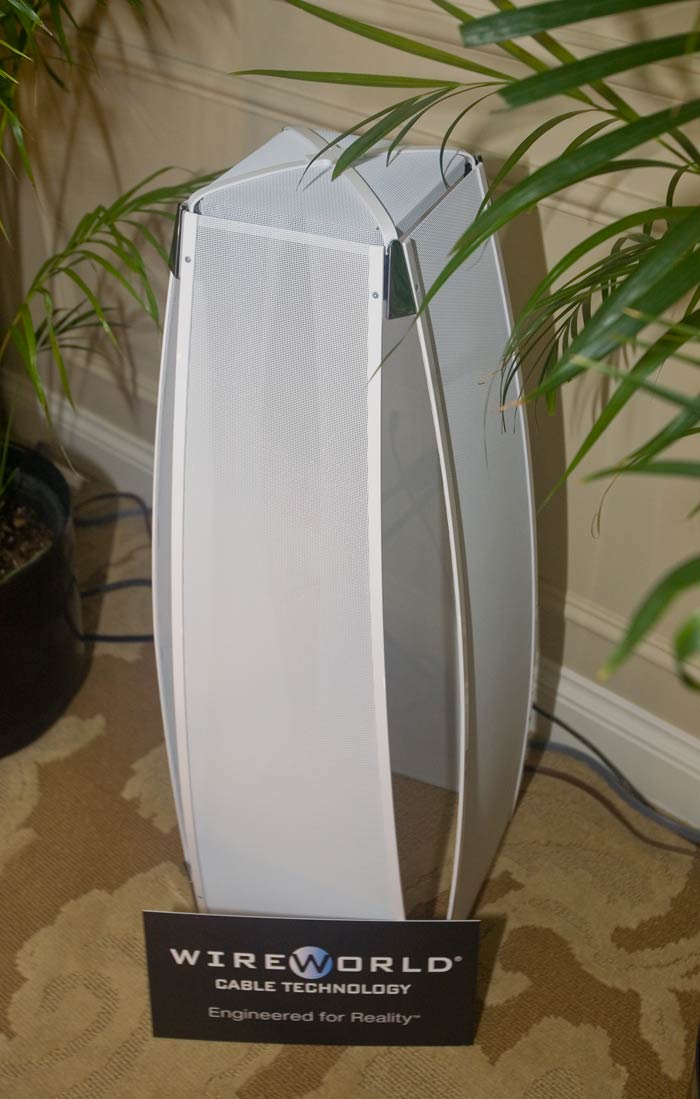

The MBL 101E MkII loudspeaker cover / cage
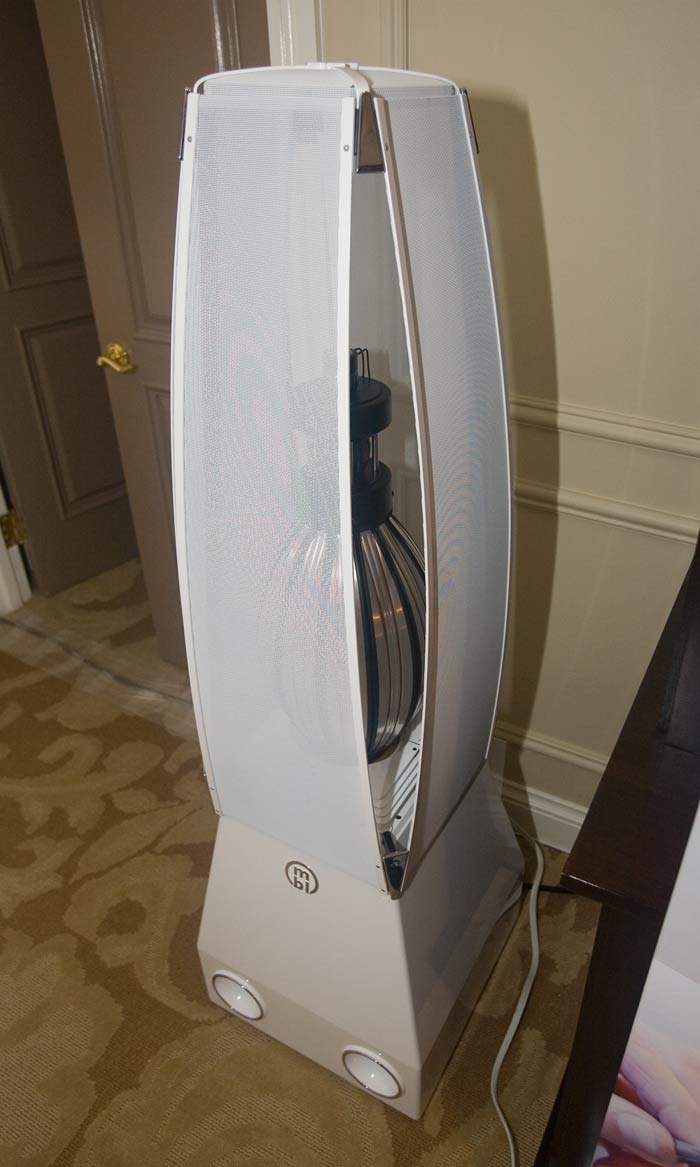

The MBL 101E MkII loudspeaker with cover / cage
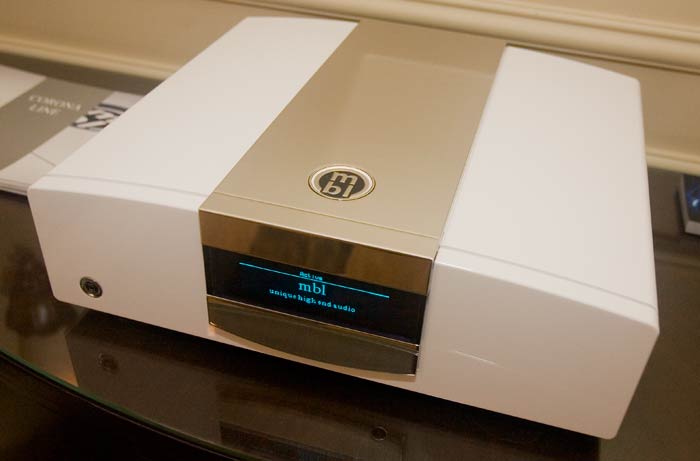

Some unknown, potentially faux, MBL Audio component
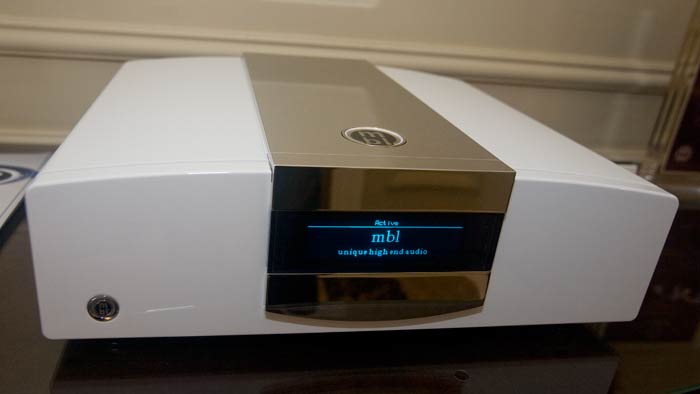

Some unknown, potentially faux, MBL Audio component
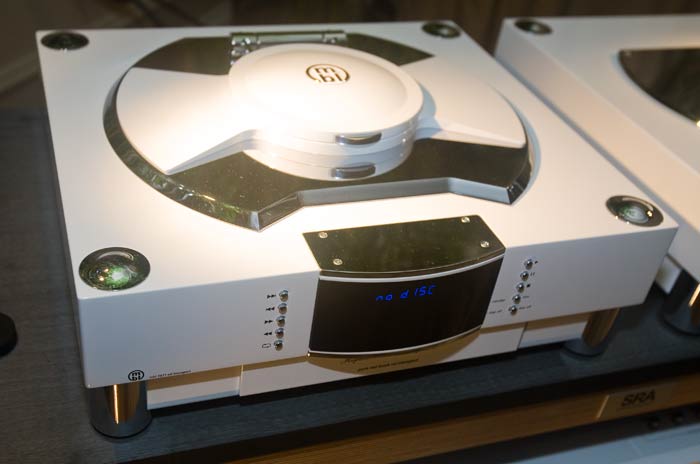

The MBL 1621 Redbook CD transport
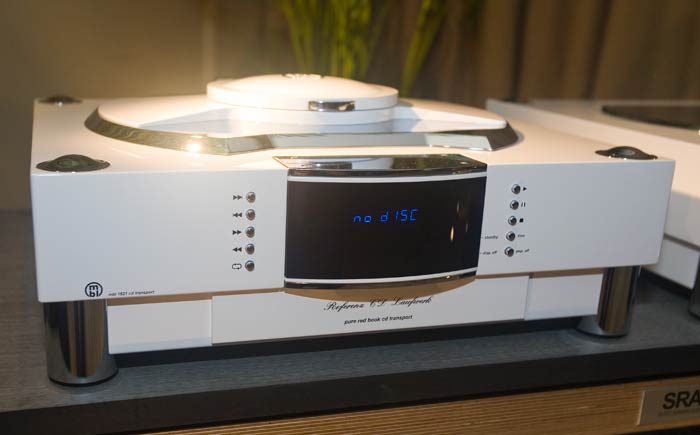

The MBL 1621 Redbook CD transport
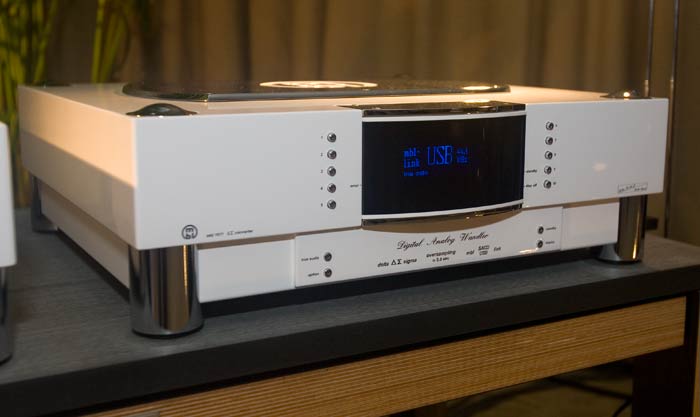

The MBL 1611 DAC
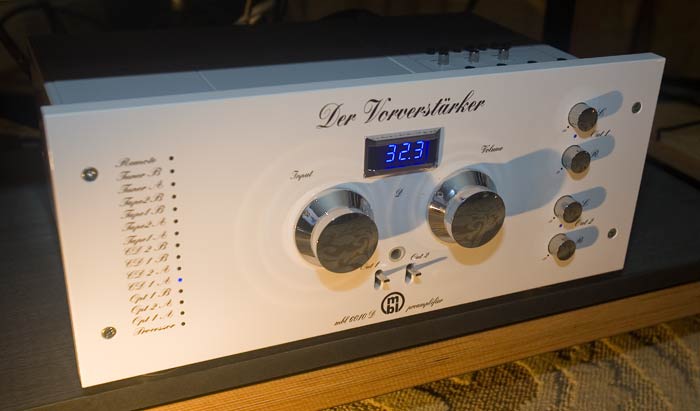

The MBL 6010 D preamplifier
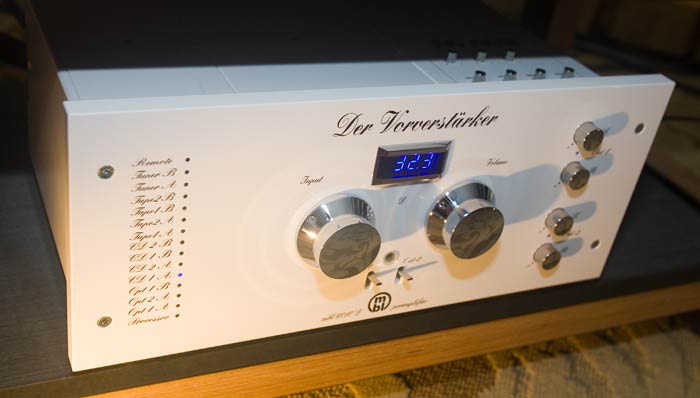

The MBL 6010 D preamplifier
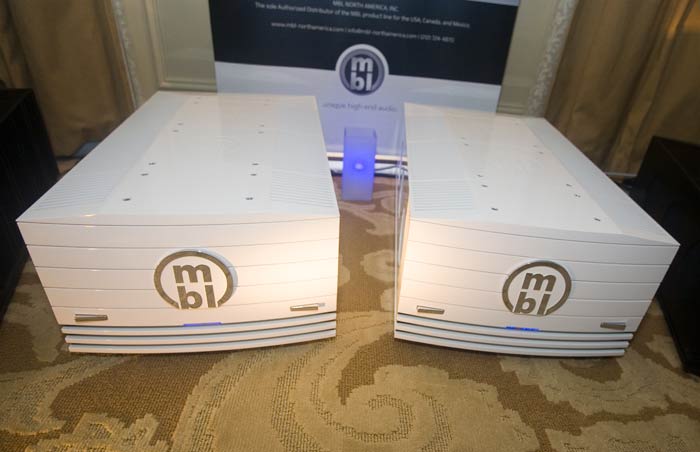

The MBL 9011 amplifiers
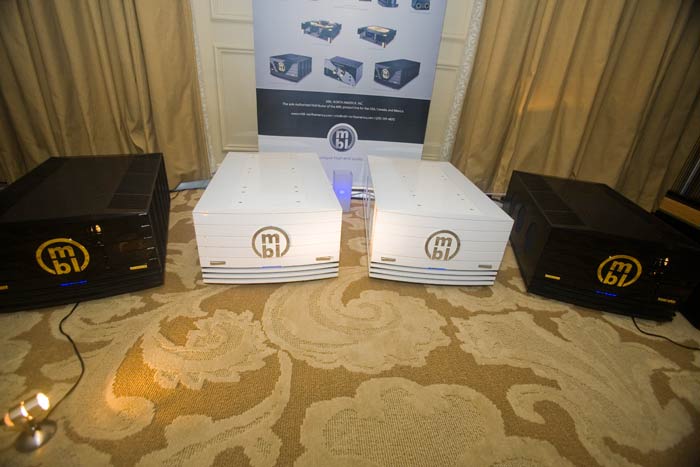

The MBL 9011 amplifiers (white) and 9008 A amplifiers (black)
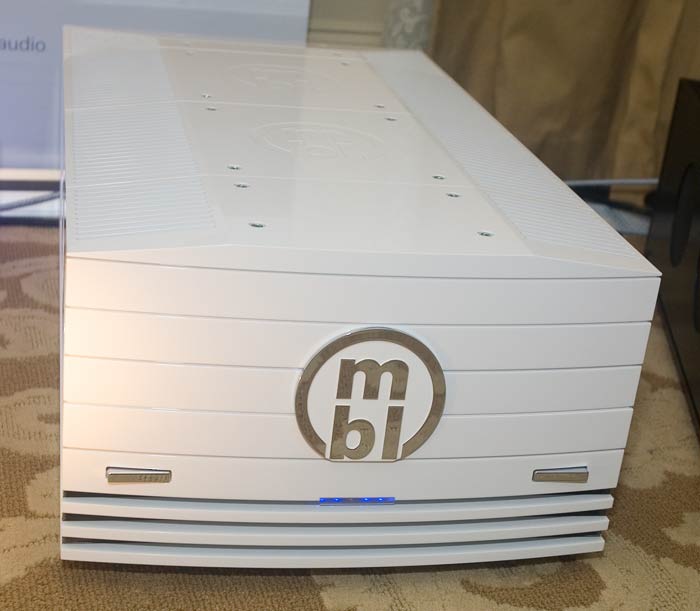

The MBL 9011 amplifier

CES 2012 – Nola Speakers


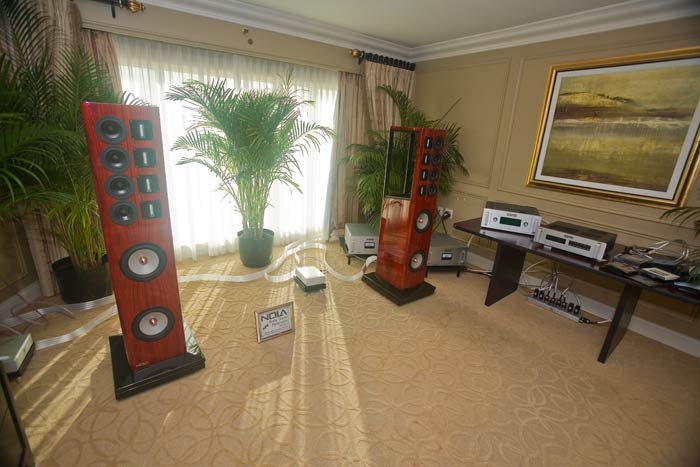
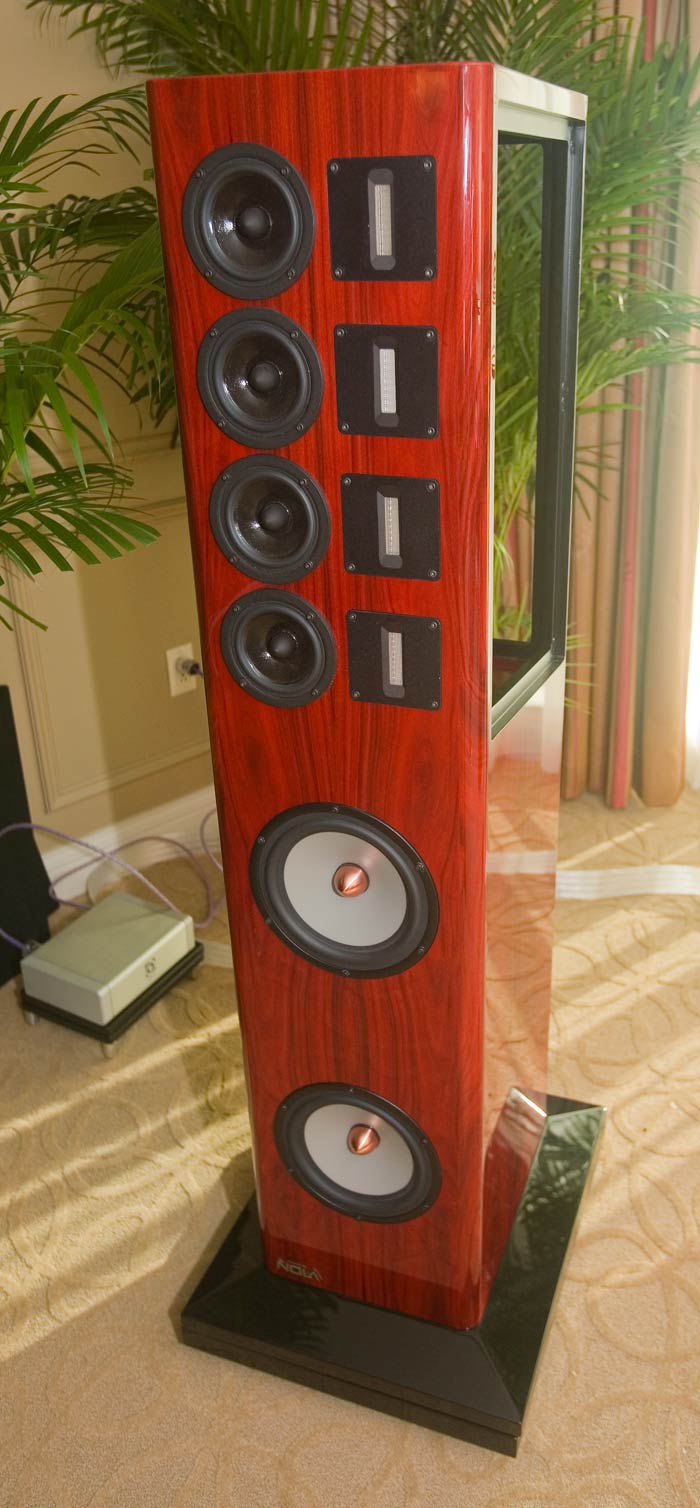
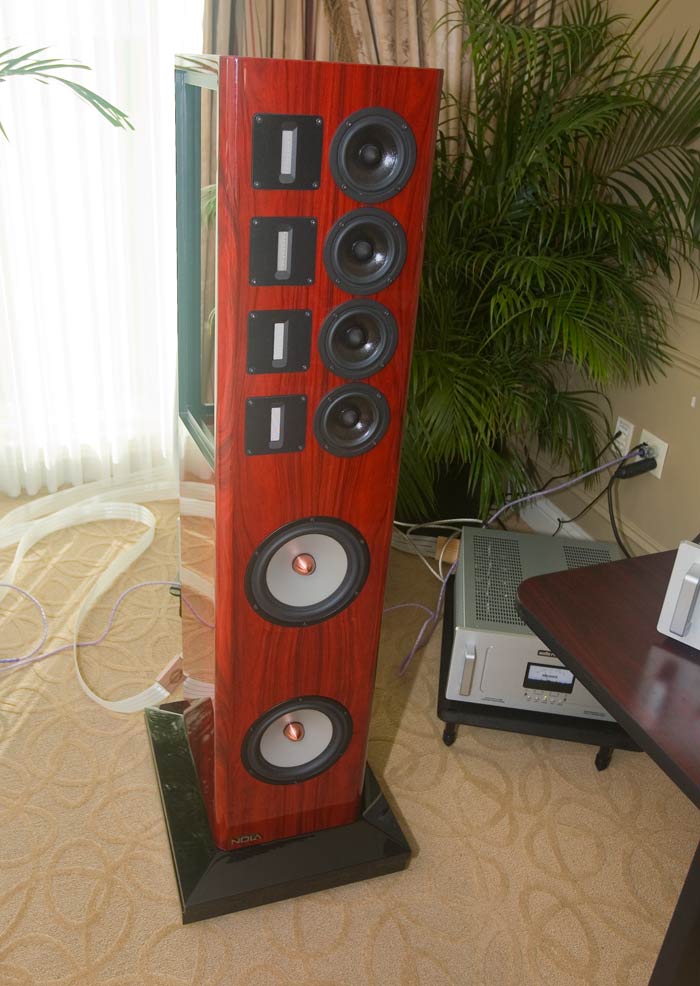
The Nola room is more or less the same year after year – as is their room at RMAF. Their Baby Grand Reference II speakers, Nordost Odin cabling. Audio Research equipment.

They do sound Enjoyable. They sound big and relaxed. In a sense they sound like big and relaxed Vandersteen Sevens – not having a real strong personality – i.e. they are not super transparent, of ultra high resolution, or super detailed bass.

Given their setups, the speakers must be at least somewhat forgiving – i.e. not super revealing/transparent to upstream components.

Having racks on the side of the room is somewhat problematic with respect to me photographing them if there are other people in the room because I would have to stand in front of a speaker to take the photos – severely mucking with any listener’s ability to hear one of the speakers.


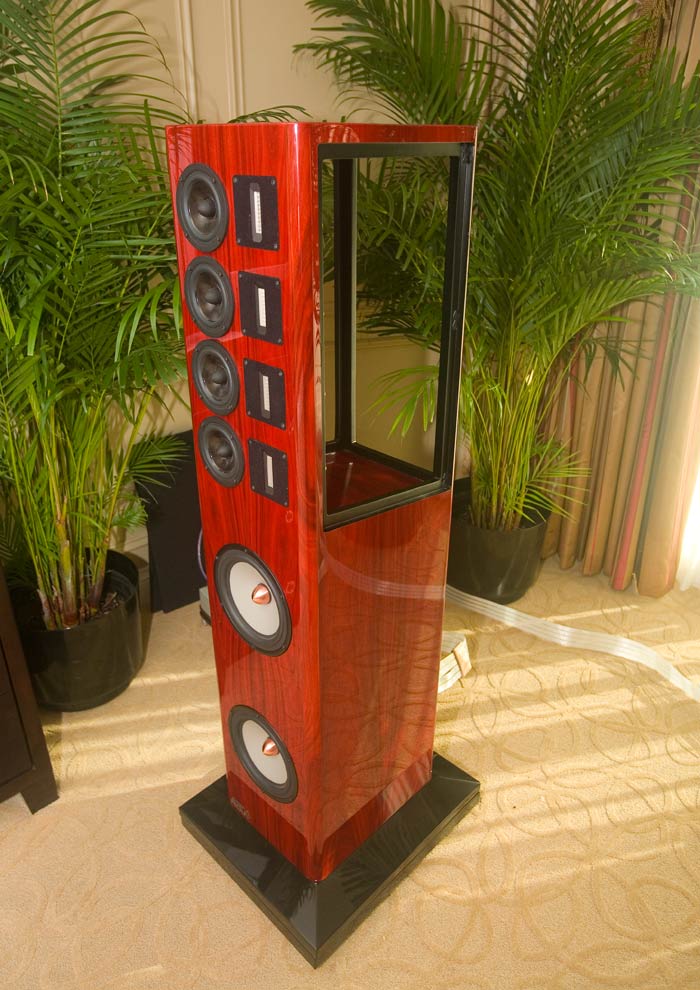
The Nola Baby Grand Reference II loudspeaker


The Nola Baby Grand Reference II loudspeaker


The Nola Baby Grand Reference II loudspeaker


The Nordost Quantum Qx4 [creates strong, directed magnetic fields]


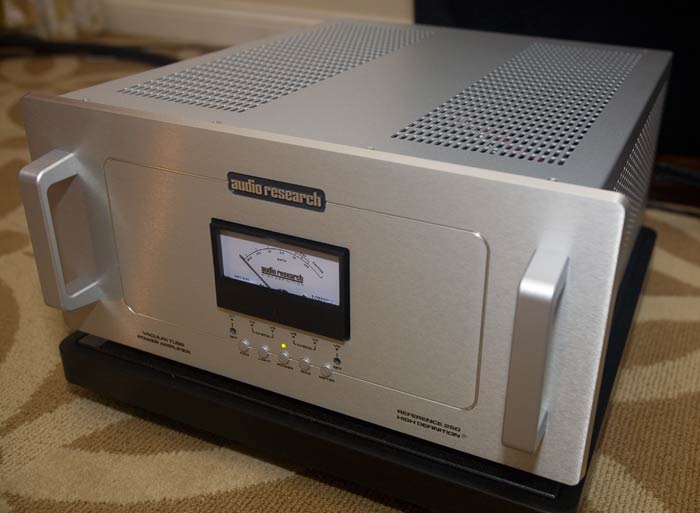
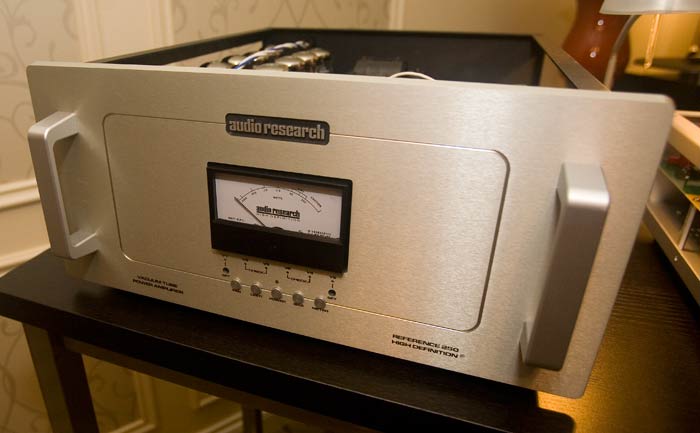
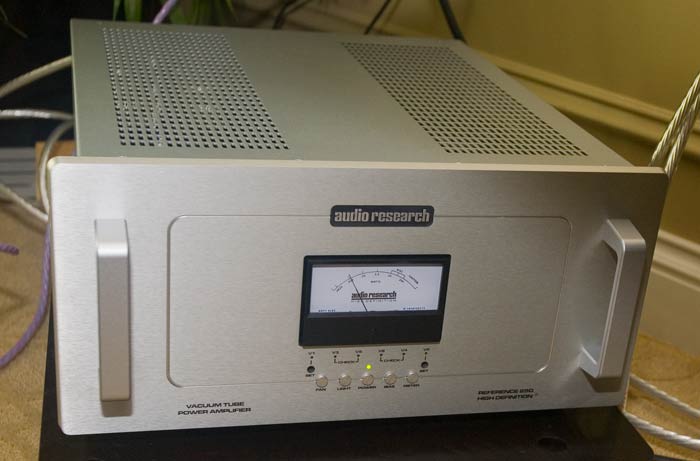
Yet another Audio Research ‘Reference 250’ monoblock amplifier
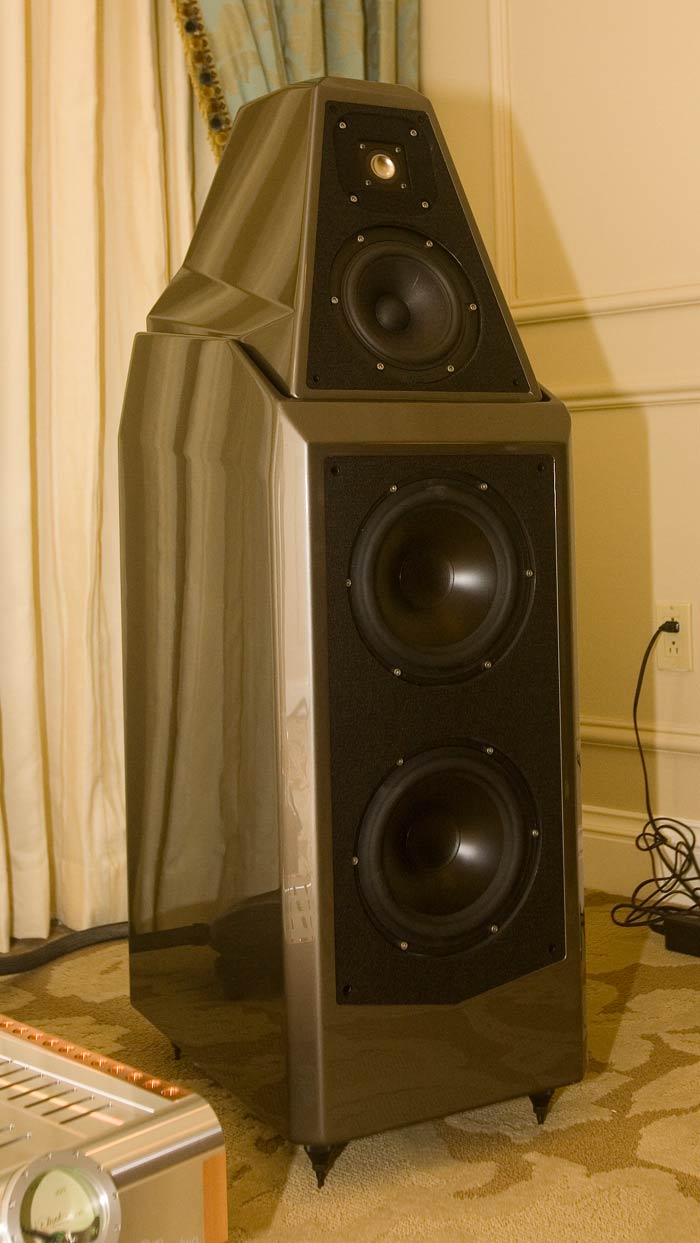
CES 2012 – Audio Research, Sonus Faber


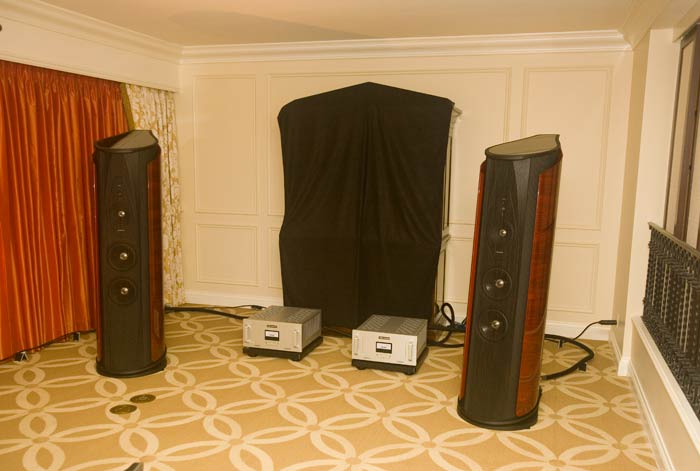
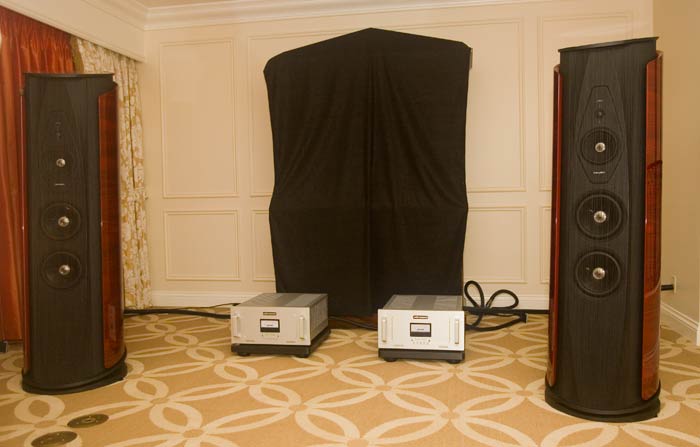
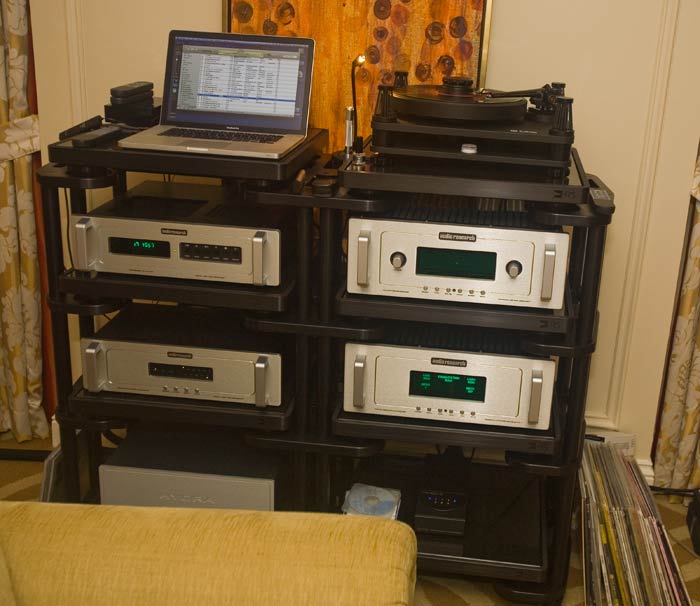
Sonus Faber played their new statement speakers, the Aida, here driven by Audio Research equipment and an SME 30 turntable.

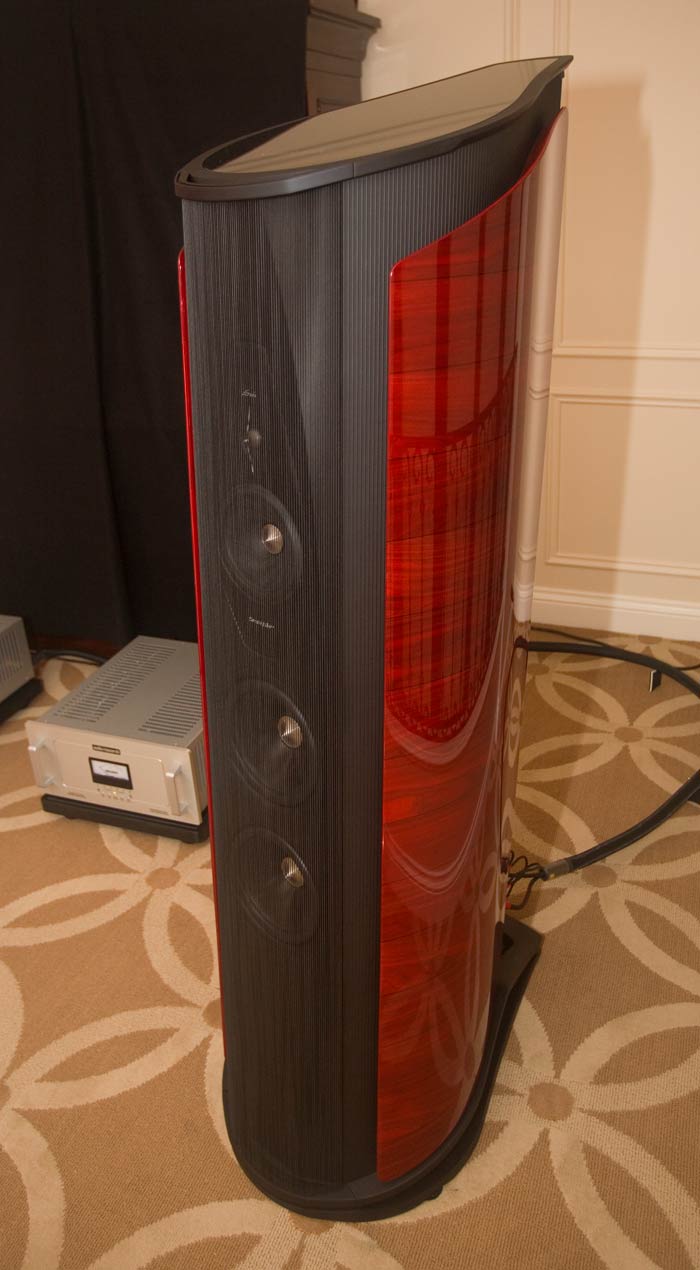
Compared to last year’s attempt at a pair of statement speakers this year, in my opinion, was very much more successful. These at least LOOK like Sonus Faber speakers. And they at least SOUND like Sonus Faber speakers. A marked improvement all around. All so-called reviewers who raved about the speakers last year should be laughed out of the industry, don’t ya think? I mean, the factory knew they sucked [otherwise why the radical change]. We knew it sucked. And the reviewers knew … what?

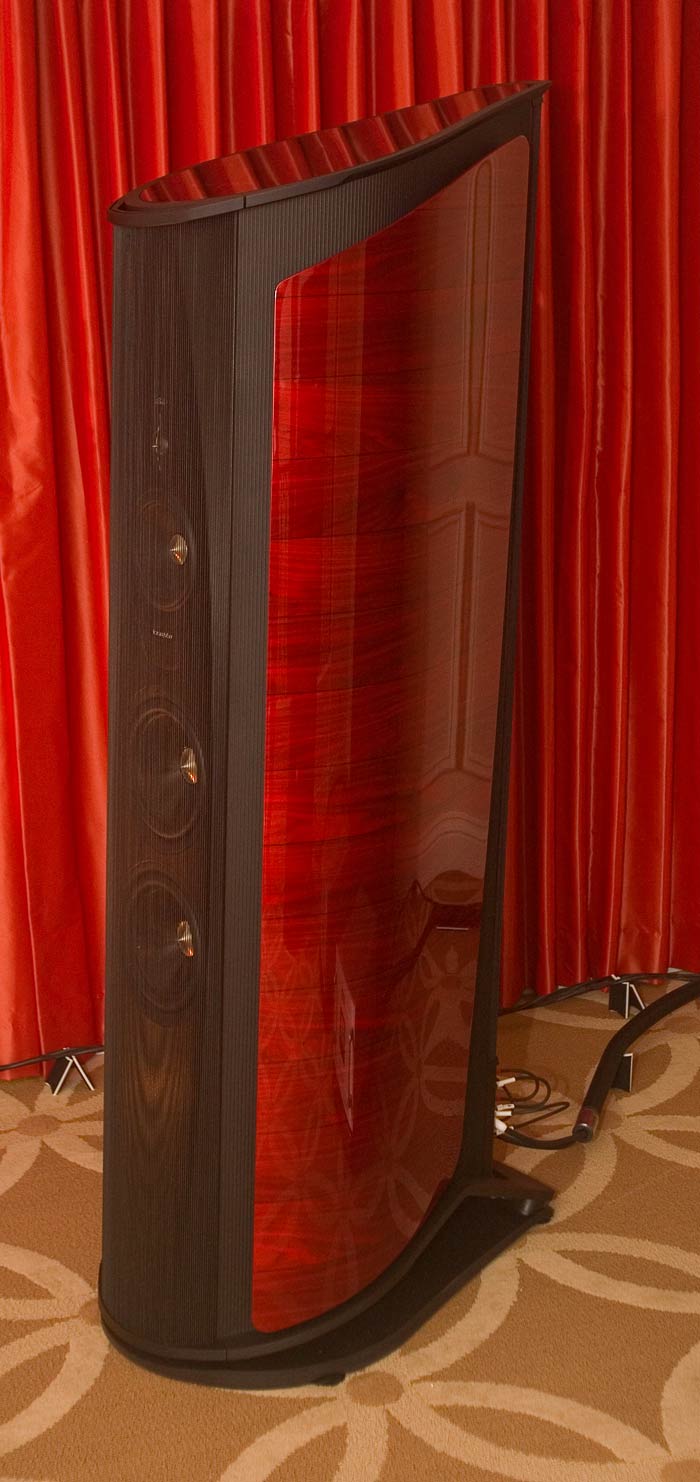
Their appearance speaks for themselves [but note all of the drivers on the rear – some of which (for example the directional driver) do resemble last year’s model].

The sound was very Sonus Faber-ish. I think these are about $120K in the states. So what do you get when you mate ‘highly colored and enjoyable sound’ [assuming you do not put Musical Fidelity amps on them, which the local dealer insists on doing at shows and which is the only truly bad sounding Sonus Faber system I think I have ever heard] and large, expensive speaker?

You get ‘BIG SOUNDING, highly colored enjoyable sound’.

In my opinion, this is exactly what a Sonus Faber fan would want when buying their statement speaker. Their previous largest speaker, one step down from this, the Stradivarius, just never had that ‘big sound’, being somewhat on the small side for a statement level speaker.


The Sonus Faber Aida speakers from the front. Big, but with what looks lke a fairly standard complement of rivers.


The SME model 30 turntable being played while I was there on an HRS ‘SXR’ equipment rack along with a heck of a lot of Audio Research gear.


The Sonus Faber Aida speaker from an angle. Not quite as wonderfully feminine as their other speakers, but at least appears to be from the same factory.


The Sonus Faber Aida speaker


The Sonus Faber Aida speaker from the rear. Yes, this is the rear, see the binding posts at the bottom?

One of those middle drivers there swivels, though not sure how a person could get to it and turn it what with the wires in front of it like that.


The Sonus Faber Aida speaker from the side.


The bottom of the Sonus Faber Aida loudspeaker. Not sire what exactly is happening here – not your standard spiked stand, apparently.


The amplifier used here is the Audio Research ‘Reference 250’ monoblock amplifier
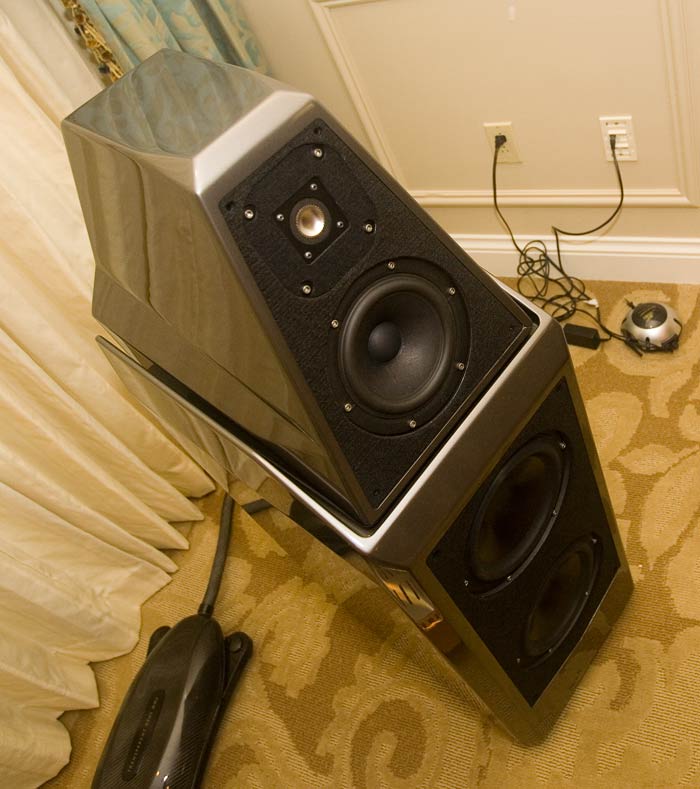

Another view of one of the Audio Research ‘Reference 250’ monoblock amplifier

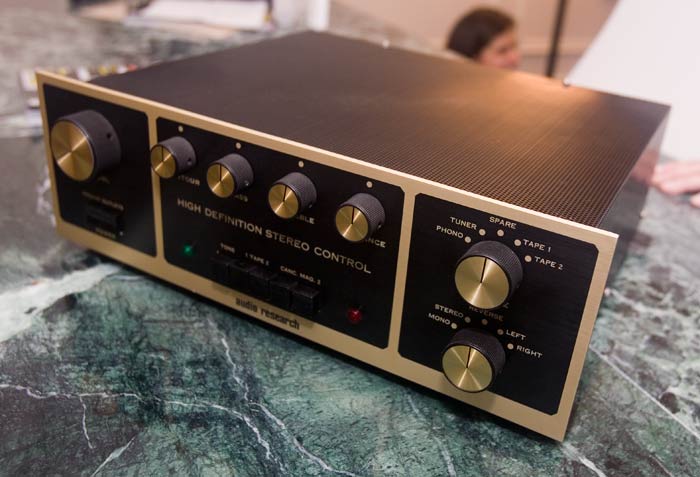
An olde Audio Research ‘Stereo Control Device’.


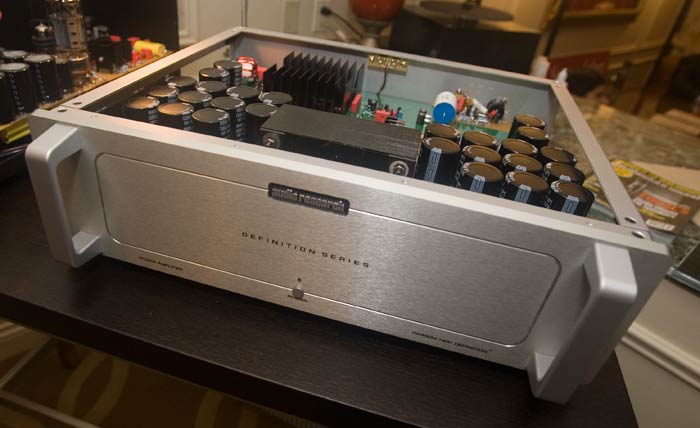
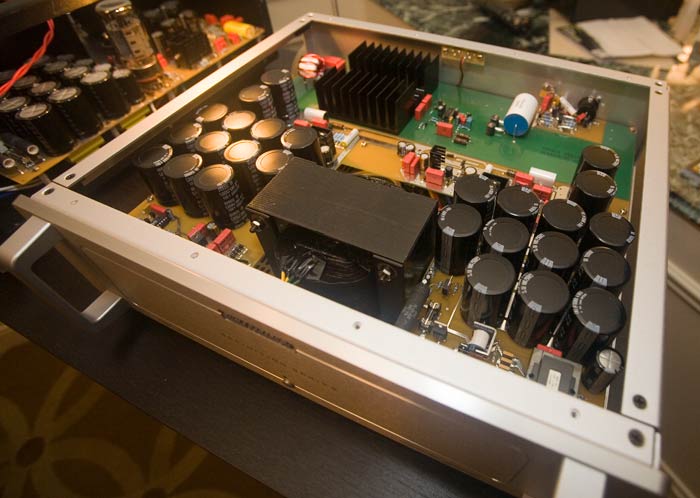
The Audio Research DS450M power amplifier with its top off

The Audio Research DS450M power amplifier – looking at the open chassis from above

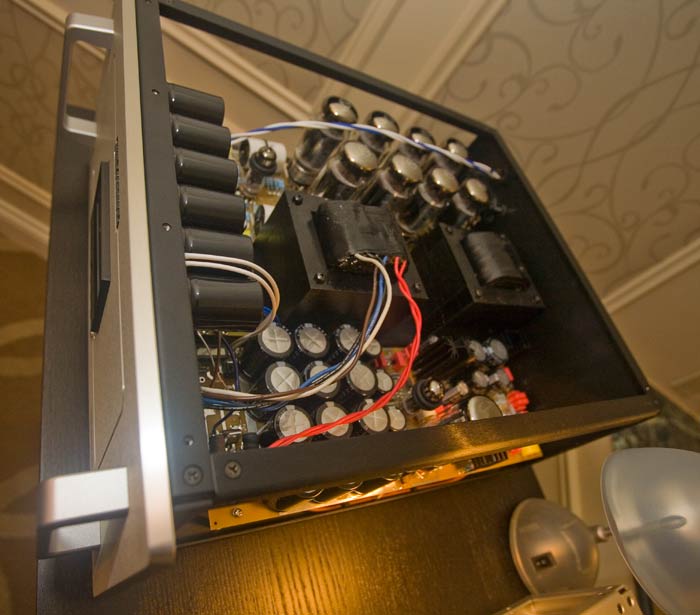
The Audio Research ‘Reference 250’ power amplifier with its top off

The Audio Research ‘Reference 250’ power amplifier – looking at the open chassis from above

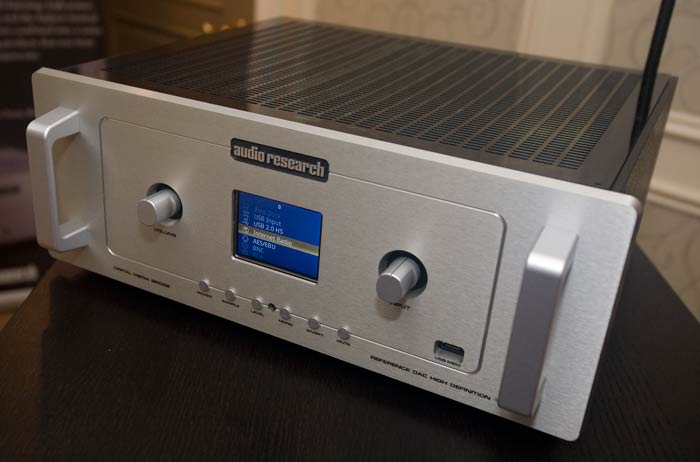
An Audio Research ‘Reference DAC’ with modern options visible on the display

CES 2012 – Rel Acoustics, Sonus Faber, Wadia


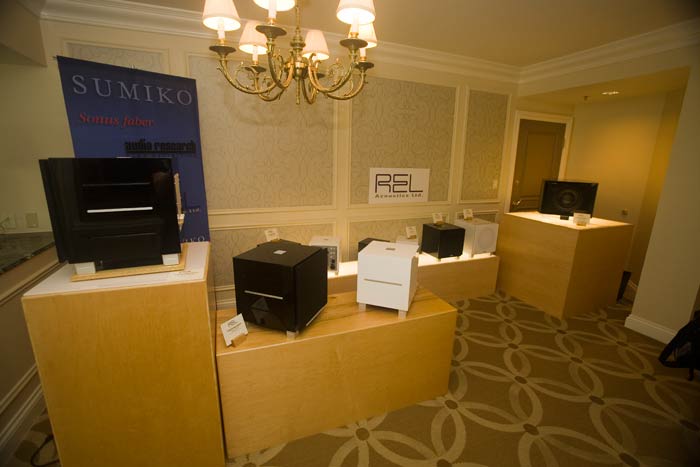
A large display of subwoofers was on display on the way into this, one of the larger rooms on floor 30.
In the main area of the room, there were two systems, one at each end. There wasn’t music playing and I spaced out photographing the equipment rack for some reason, focusing instead on the Sonus Faber Guarneri speakers [which I hadn’t seen for awhile]

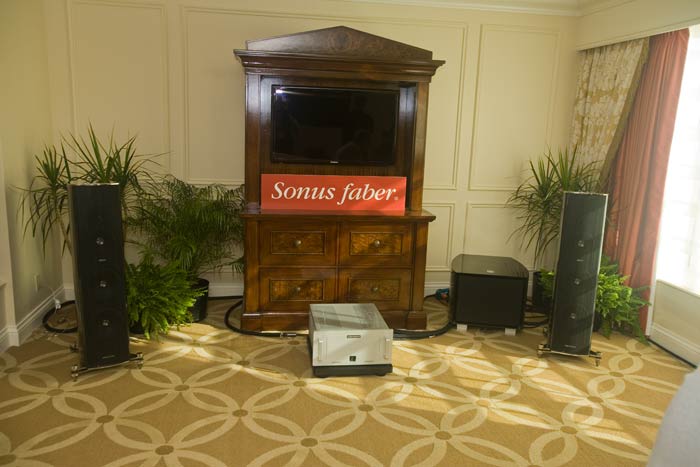
The Sonus Faber Amati speakers on a Audio Research amplifier.


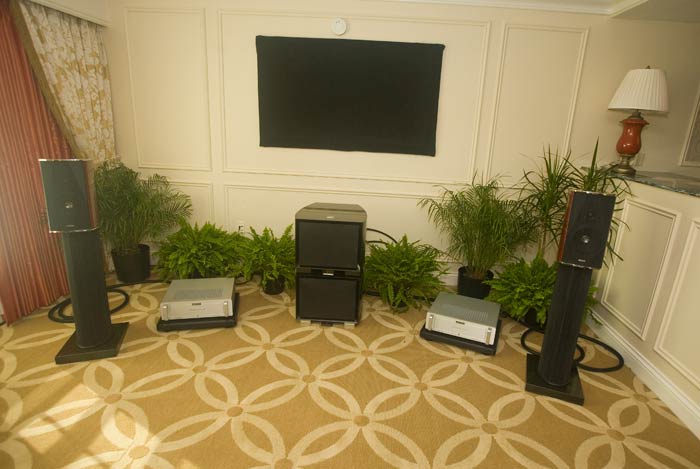
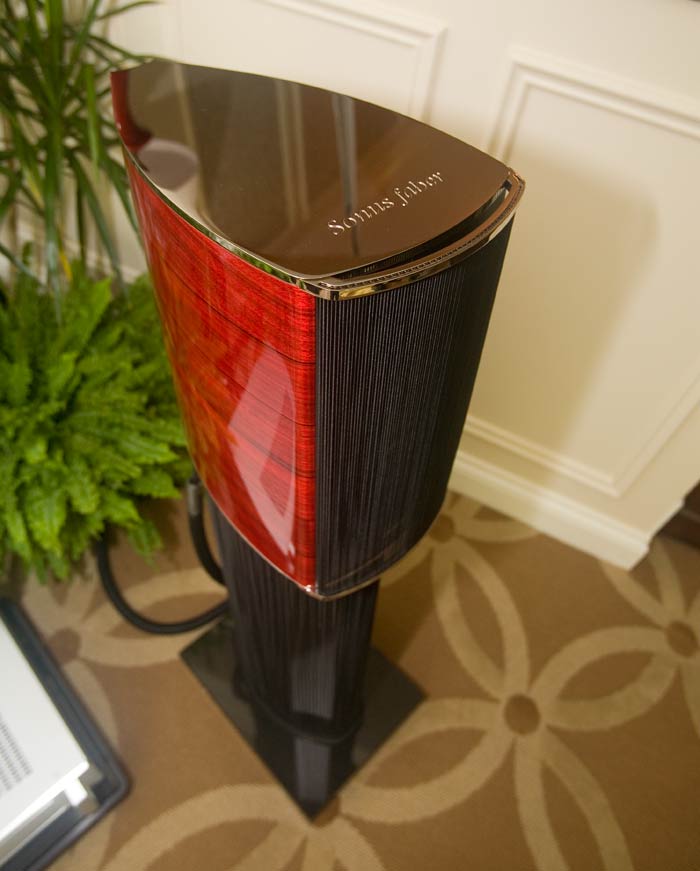
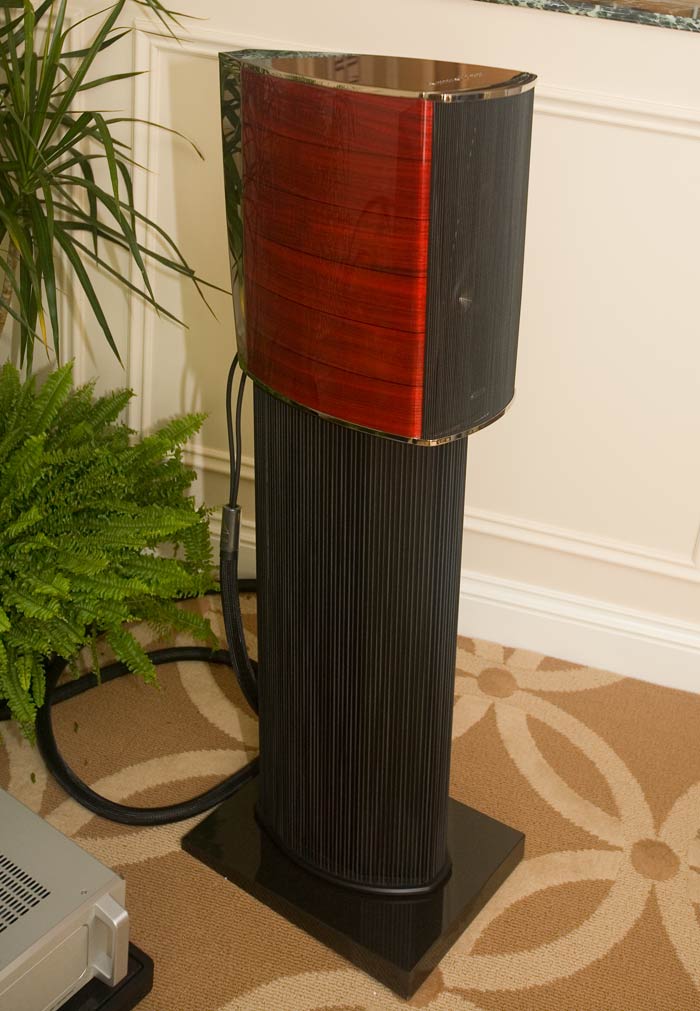
The Sonus Faber Guarneri speakers on Audio Research amplifiers.


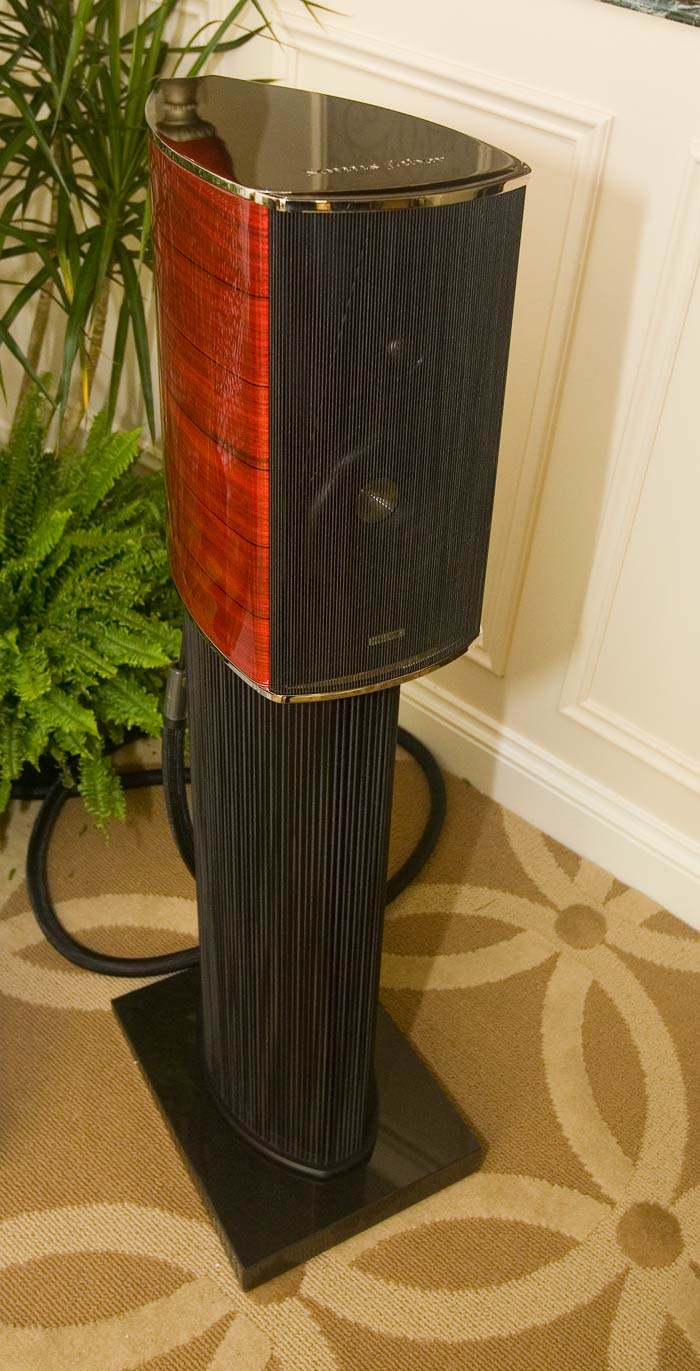
The Sonus Faber Guarneri loudspeaker


The Sonus Faber Guarneri loudspeaker


The Sonus Faber Guarneri loudspeaker


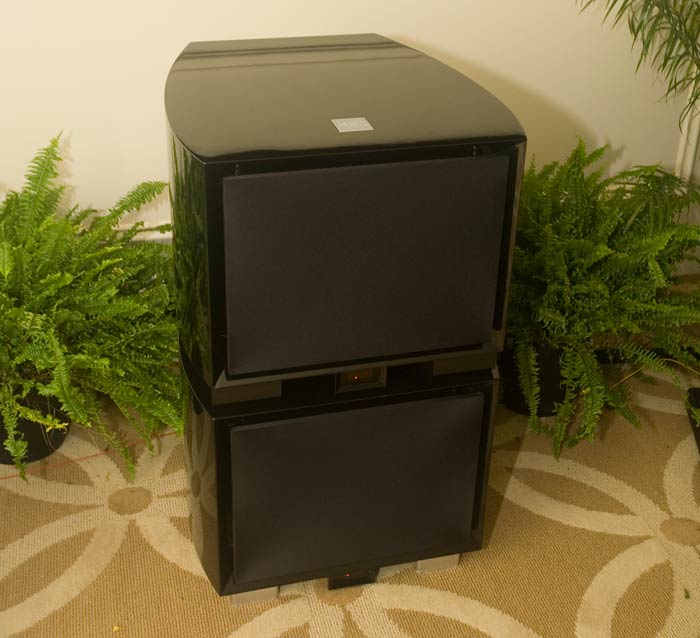
A pair of large Rel subwoofers


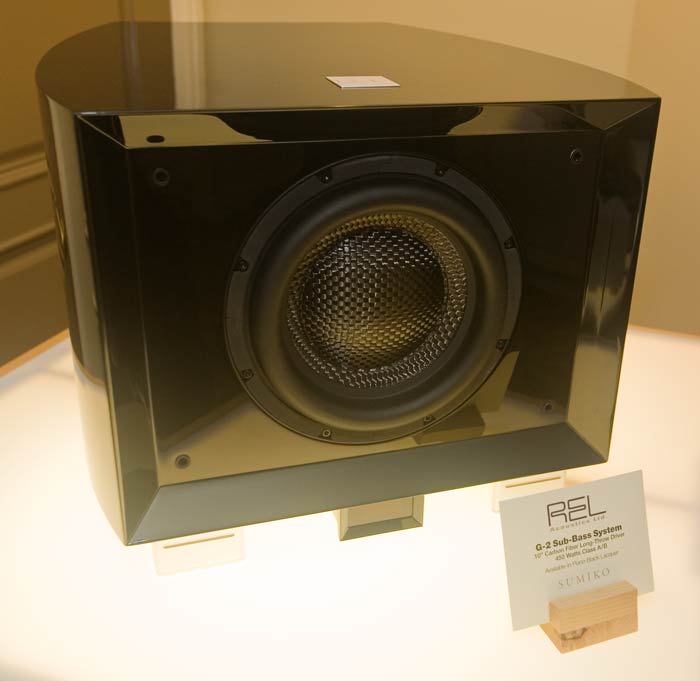
The Rel Acoustics G-2 Sub-Bass System subwoofer