
PHP Security Vulnerability, New Host for Audio Federation, Crazy Audiophiles Never Rust

Been a week or two now. We have a new home (wordpress.com) for the website. We were on Linode (bought now by Akamai) for over 10 years.

But A.I. found a security vulnerability in the PHP language used by all WordPress sites (heads up to all you other readers who have old WordPress sites. Press ctrl-U on your website and search for ‘generator’ and see what version of WordPress you are using. Cool. I see a few other dealers have also upgraded their websites this week, too).

So here we are. More features and saving $20 a month, so should have done this awhile ago I guess.

As for us ‘crazy’ (certifiable) high-end audio-loving fools, we are trying to be adults. Not sure how long this will last. 🙂 We are trying to save up to by a large home that can support multiple huge speakers (e.g. Sphaeron-sized). But the world seems to be pushing back making this more difficult than expected (check mortgage rates recently?).

We were within days of closing on a 8000+ square foot place (not in California, obviously 🙂 ), lots of big rooms for mike and neli to have their own systems (Neli’s office gets Hyperions, mine Sphaerons), but the inspection report and the shrinking labor pool that would be used to make the repairs added 40-50% to the effective cost.

So, dejected and bummed, we are trying to figure next steps while we ride out the K-shaped economy trying not to get stuck on the down-escalator here and suffer the wonderfully mild weather here this Winter in Bay Area, California.
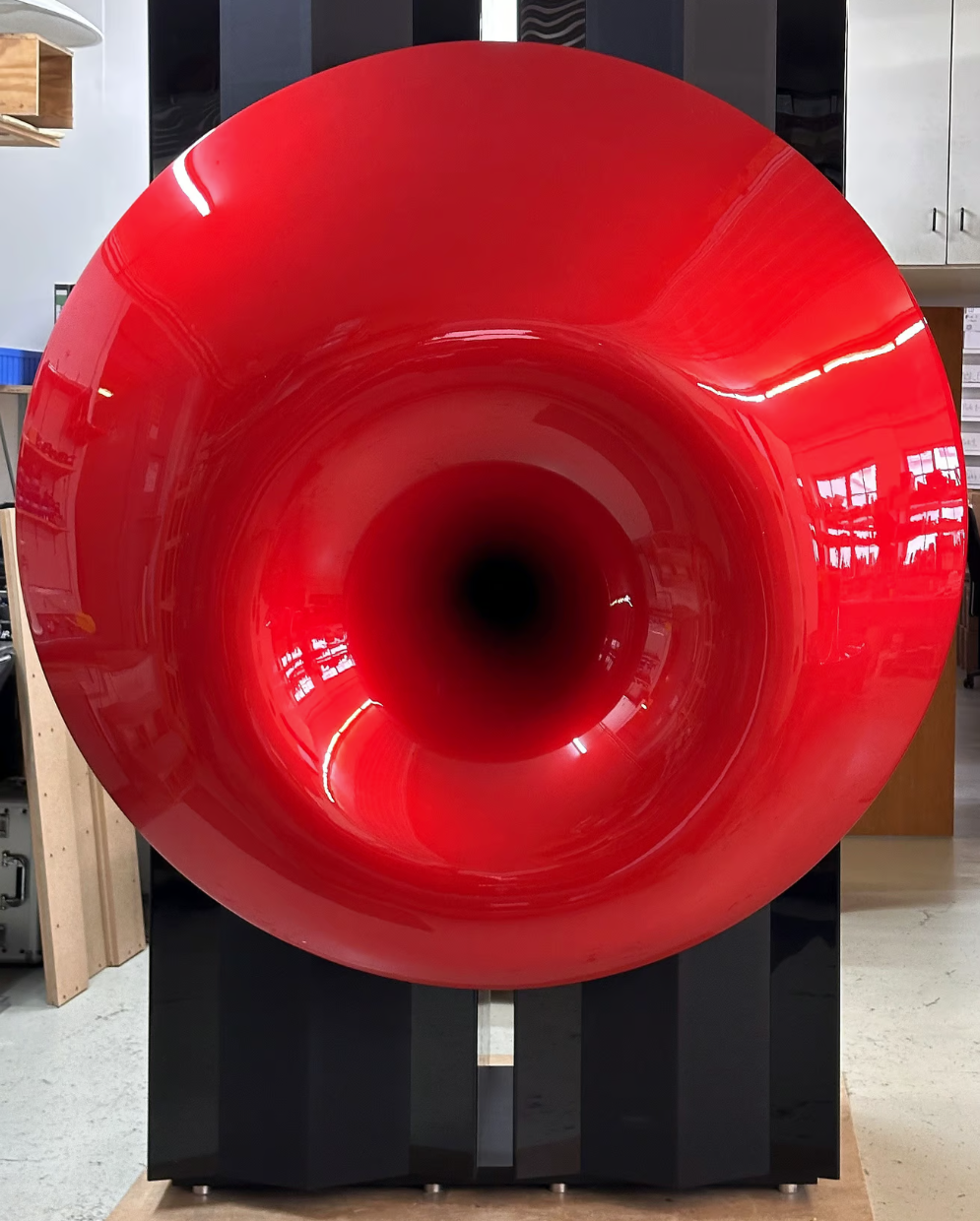
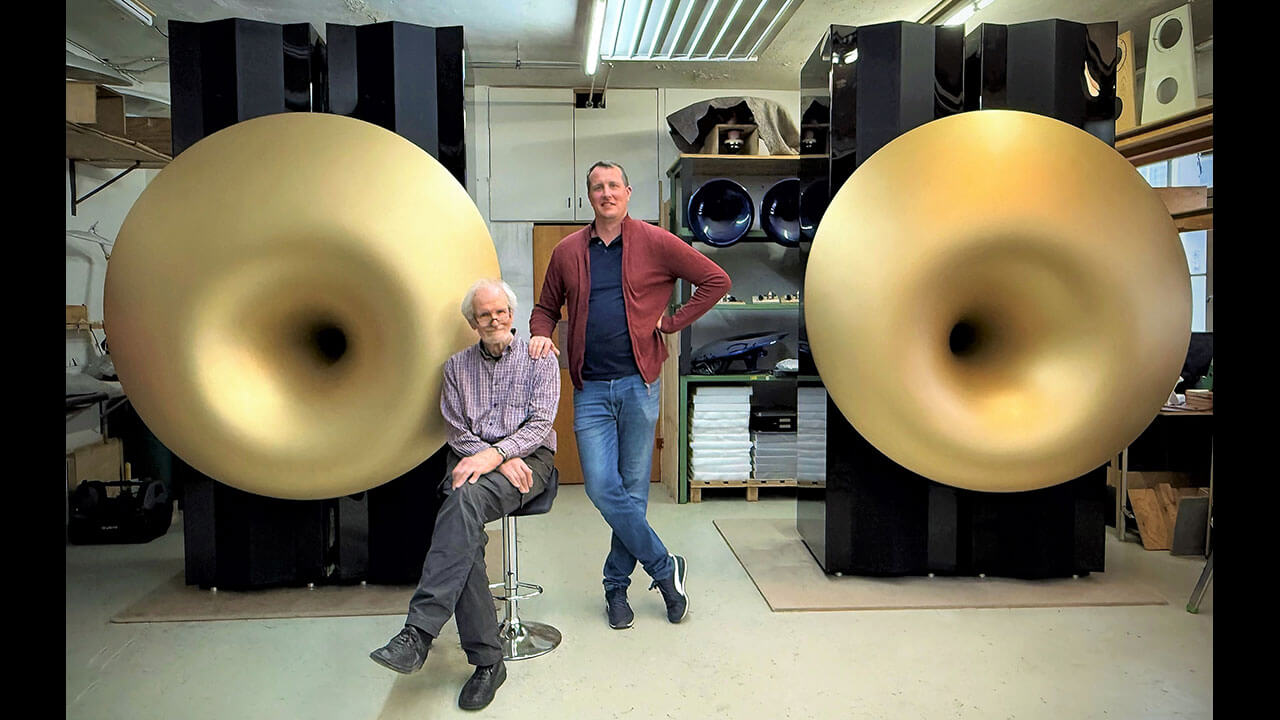
Acapella audio Arts HYPERSPHERE speaker at Munich 2025

At Munich this year, at the MOC, Acapella will be showing (and playing for 2 hours each day) their new HYPERSPHERE loudspeaker.

Acapella presents the Hypersphere loudspeaker system at the High End

“The Twin Tower of Power

The new HYPERSPHERE is created to be the largest, fastest and most dynamic system ever built in the history of high-end audio. This final statement will be limited to 5 pieces worldwide, created by ACAPELLA mastermind Alfred Rudolph. At the end of his musical journey, this hyperspherical loudspeaker system is the culmination of nearly 70 years of research into the enjoyment of music.”

Acapella Audio Arts, Hypersphere, La Cathedral, High End Reference Loudspeaker, Hifi, Munich Exhibition 2025, Sales Auction

No. 001 – 005 Hypersphere Concept 1700mm

There is a signup form on the website for people to bid on these limited edition speakers (limited to 5 units)

This is a different style of horn from that used by their Sphaeron Excalibur speakers (which we have heard and love and lust after).

Hard to imagine what very, very large hyperspherical horns will sound like in comparison. Inquiring minds…

We will not make it to Munich this year, I don’t think, but maybe we will have to take some time to journey to Duisburg to hear these puppies. 🙂


Full-body Listening

When listening to classical music, I often reflect on the distant past in medieval times when people only heard this music rarely. And when they did hear it, it was heard in majestic listening spaces (e.g. churches) designed to propagate sound and overwhelm listeners with awe and majesty symbolizing the power of whatever deity was locally popular at the time.

The volume of the music. The complexity of the music. The number of harmonies and melodies in the music. All were orders of magnitude beyond what they experienced in their day-to-day life.

The rarity of the experience! (music at that time was not available on radio or a home stereo system – for those of you history-challenged).

When I listen to classical music, I often think about what it must have been like to be in the audience hearing this same music.

This is where I started thinking about how the different volumes and frequencies would have been felt to some non-zero degree by their skin. By their internal organs.

Today, when we listen to music at high volumes, for example, we can “feel” the bass. We can also feel the midrange too, if it is sufficiently loud and we are paying attention to what our bodies, not our ears, are experiencing.

If we perform this experiment as we are listening to this music – at least when I myself perform this experiment – there seem to be patterns, rhythms, that the body in-and-of-itself experiences.

Kind of like Yoga “tapping” or “slapping” but much more complex and covering large areas of our body.

Different frequencies, volumes and durations of notes form patterns on and inside me that are 1) pleasurable and 2) communicate with “mind and heart” just like the sound waves my ears are experiencing.

The final step to this thought process is to answer the question whether, in those times, with people seemingly more focused (or less distracted), did composers and conductors knowingly write and perform this music knowing that they could captivate their audience in more ways than just aurally?

My conclusion is that yes, some of them did. That they thought about how to craft the music so that is physically tickled, massaged, aroused, and/or pummeled their audience.

[Been a long time since the last post. Neli and I are doing fine. The Chinese middle-class audiophile is biting the big one now like audiophiles in many other places in the World but what ya gonna do? We keep on Rockin’.]


Image by Pete Linforth from Pixabay