LAMM L2.1 Reference preamplifier available in mid-October’2016

[Wow. An upgrade of the venerable L2 preamp (been with us for… 15 years? A long time anyway). The press release follows.]
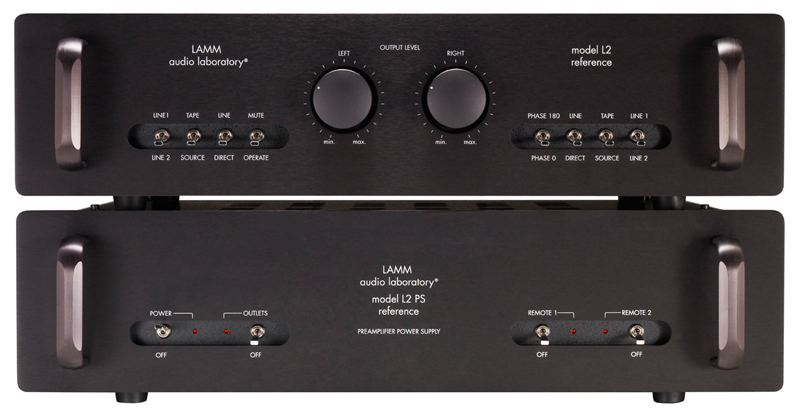
l2_l2ps_straightfront

[This is a photo of the previous model, the 2-box L2 Reference]


We are happy to announce that a modified version of our long-running L2 Reference preamp — the L2.1 Reference – will be commercially available in October’2016.


The L2.1 Reference employs a pure class A operation from input to output, with no overall feedback at any stage; all stages, including high current output buffers, are single-ended. Also featured are specially selected high voltage super linear MOS-FETs in the signal path and TKD stepped potentiometers for volume control – the best available on today’s market.


The preamplifier’s audibly neutral power supply features a choke contained filter, a full-wave vacuum tube rectifier and vacuum tube voltage regulator which allow to virtually eliminate the hum and buzz and, ultimately, to ensure the authenticity of the essence of sound throughout the entire dynamic range without any coloration.  Other features include 3 inputs; one tape/home theater processor loop; output signal phase switch; balanced and single-ended outputs; protection circuitry designed to enable manual muting of the output signal; and built-in remote on/off for Lamm power amplifiers.


The main distinction of the L2.1 Reference from any other comparable type of preamplifiers is its almost inaudible sonic signature.  When connected to an appropriate type of power amplifiers, especially LAMM power amplifiers, it assures the extraordinary transparency of perceived sound and recreation of a three-dimensional soundstage in the home, recording studio, etc. without boundaries and limitations.


  In a nutshell, the L2.1 Reference includes the following upgrades and modifications as compared to the L2 Reference:

  • increased immunity to unwanted radio frequency interferences propagated via both radiation and conduction over signal lines & AC power systems
  • certain modifications in protection and time delay circuitries
  • improved signal/noise ratio
  • replacement of a number of critical components with newly available types of better quality [in particular, replacement of electrolytic capacitors in the tube voltage regulation section with newly developed high density polypropylene capacitors of comparable size and value(!)]
  • utilization of a technologically new type of pc-boards of superior quality, with gold-plated traces and thru-holes.


Each preamplifier is carefully crafted with the finest materials and top quality parts like military-grade DALE/VISHAY metal-film resistors, RCD wire-wound resistors, TKD 41-step volume control potentiometers of the highest quality available on today’s market, BOURNS multi-turn potentiometers, VISHAY electrolytic capacitors, ELECTROCUBE, EPCOS and RIFA/KEMET film capacitors; HAMMOND chokes, god-plated NEUTRIC connectors, and military-grade low-noise long-life vacuum tubes.


The L2.1 Reference features a custom-designed super-low noise power transformer.


The U.S. retail is $22,790.
Long Article on Acapella Audio Arts

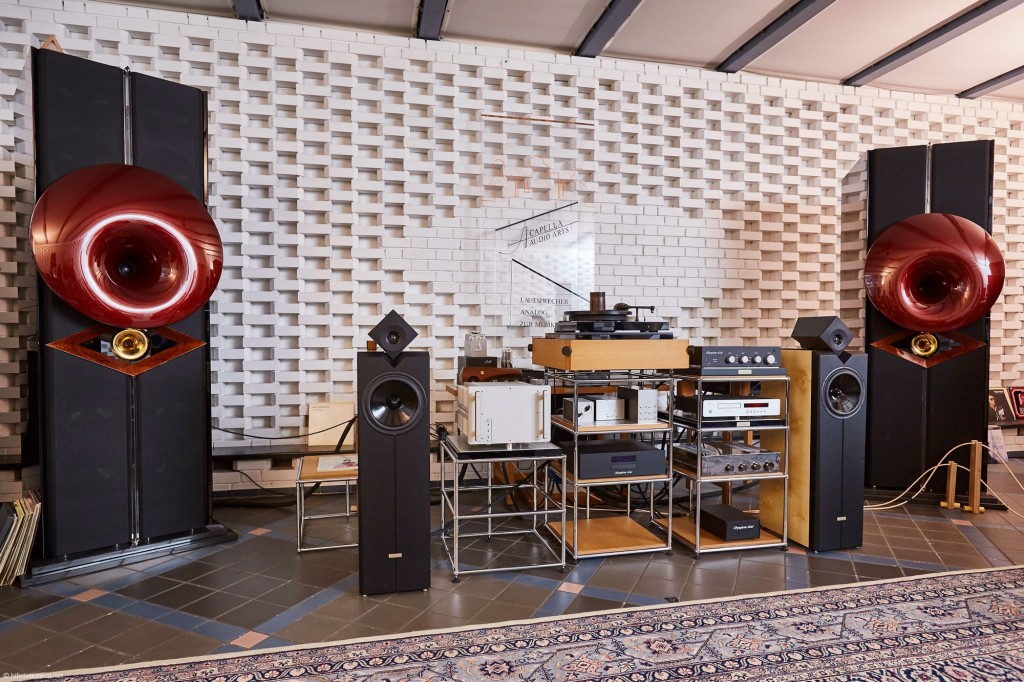
There is a new long article on Acapella Audio Arts by a European correspondent for Positive Feedback.

2016-02-16_acapella_001

http://positive-feedback.com/audio-discourse/feuilleton-acapella-audio-arts/

The article includes many yummy photos of the factory and the factory showroom – as well as other fun and mysterious factoids about the speakers and their other gear.

I chose to display this photo from the article because it shows the big Poseidon speakers, which we waaaaant, and how impressive they look. Not sure that is the color of horn that we would choose… but maybe. I would probably go for a mirror finish if Acapella actually supported that option and Neli didn’t give me that look that simultaneously says I’m an idiot while at the same time saying that she feels sorry for me with such poor taste in speaker horn finishes :-/


Pursuing the Ultimate Music Experience… in California

Well, “soon”, anyway.

We decided to rent instead of buy for a number of reasons. One is that we do not know the area well yet. Another is that prices have risen sharply the last year or two or three – now is a good time to sell, not buy.

After a long strange trip of visiting many nice homes, encountering extraordinarily nice and the occasional bizarrely unqualified not-so-nice property managers – we found a place Neli and I and Audio Federation can call home.

[One place we tried to get four different ways and got three wildly conflicting responses (the fourth response is still forthcoming). This contributed to the length of time it took us to find a place. Something that we conservatively estimated would take 2 weeks escalated into 2 months. It would have driven one of us nuts, except that I did not want to go nuts in front of Neli. It’s a sellers market out here, and that leaves room for some sellers who would otherwise be quickly culled from the herd.]

Although we originally intended on getting another house-with-an-awesome-view, we fell in love with Palo Alto, most of which is flat. We especially love Downtown Palo Alto, Professorville, Old Palo Alto and South of Midtown. There is an energy and diversity here that really suits us. Its not just families, or retired people, or Stanford students, or academicians, or Googlers and Facebookers, or young people or old people – there are all of these kinds of people here crammed together.

We *are* trying to keep the burn rate down (aka outrageous megabucks paid for rent), and there is also the ‘luck of the draw’ – you can only pick a place from the places that are available, and this is a very random set of homes at any given time. Whatever houses that happen to be on the market at the time you are looking are the ones you get to choose from.

But in the end we did find an awesome house in Palo Alto and it stood out for us from the others. As you will see below, it really works for Audio Federation and what you may have seen over the years of our ‘architectural preferences’ 🙂

The photos below are a simulation, like the previous posts, of what the systems will look like in then house. Looks like we are going to start unloading the truck today.

This is what they call an ‘Eichler’ out here. Joseph Eichler was real estate developer whose houses have an open layout internally with the rear walls of the home consisting primarily of floor-to-ceiling glass. There are 10s of thousands of these, and their look-a-likes, on the Peninsula.

So, yeah, we like the ‘bring the outside in’ feel of these houses, and they are ubiquitous – many audiophiles out here will have a home like this – so it really does work for us.

eichler-1a-IMG_20160815_165849

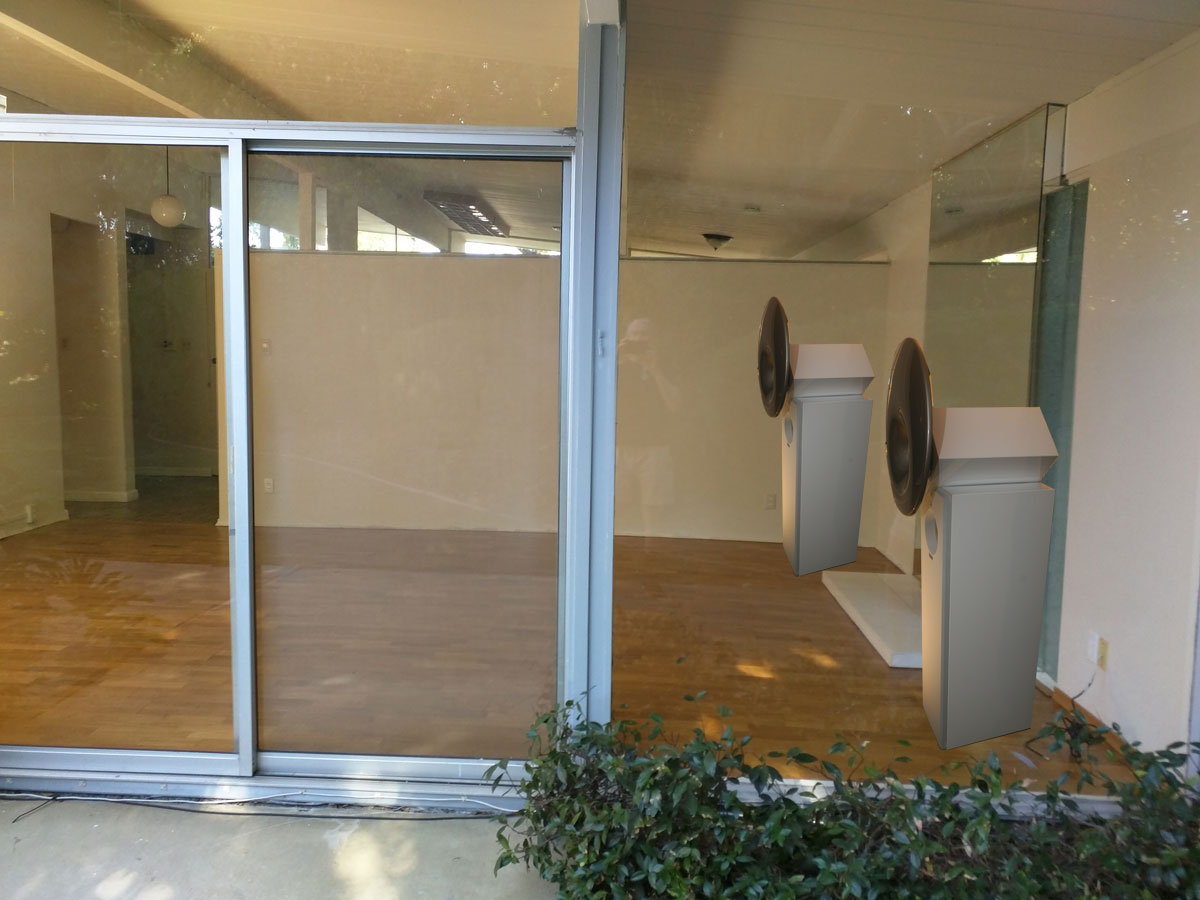
This is the living room, as viewed from the backyard. It will be the main listening room. It is 13.5 feet wide by 20 feet long. This is the size of many mid-size listening rooms and is also very similar to the size of the hotel rooms at many shows.

eichler-1-IMG_20160815_170214

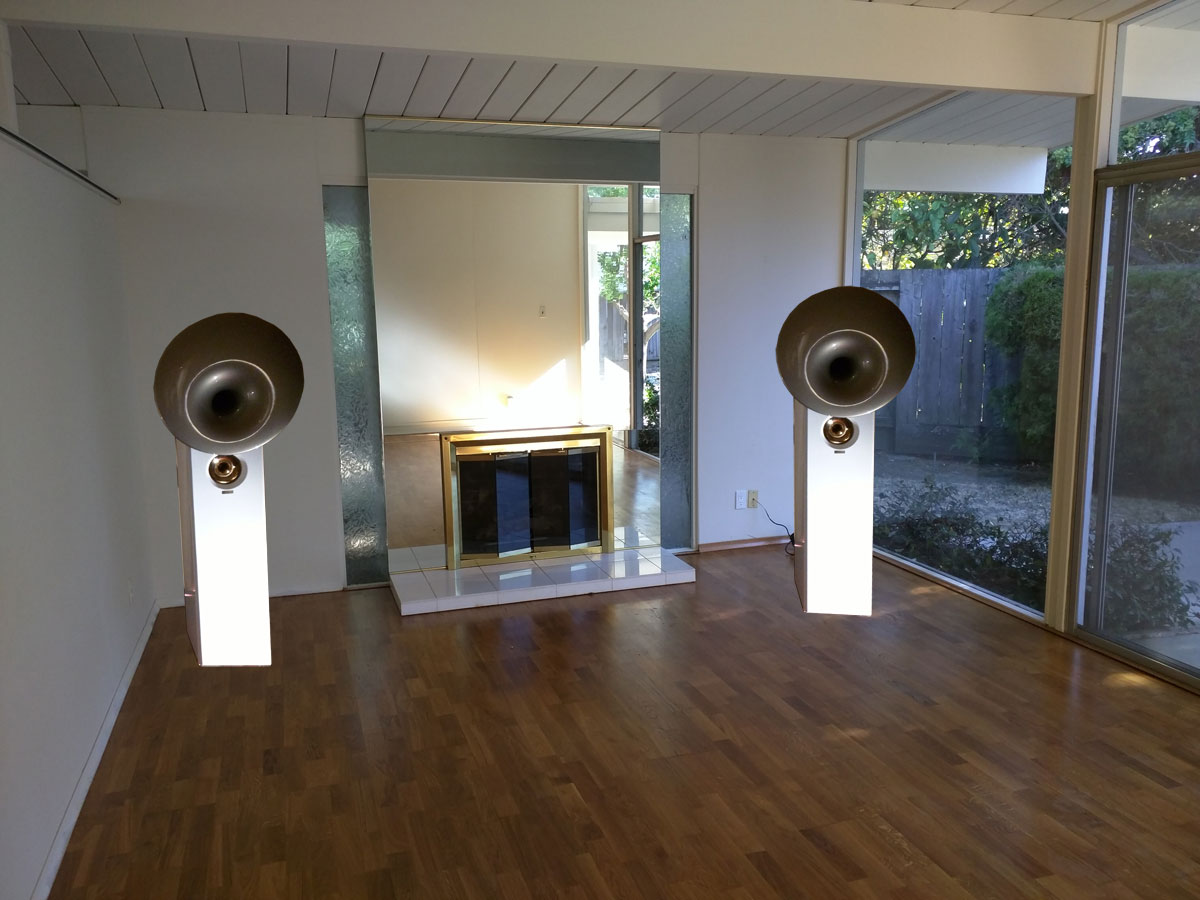
This is the view from inside the main listening room. We will put the main couch here and probably LPs on the rear wall. We will probably go with IKEA LP shelves since they seem to work well and are modern in a way that matches the Eichler home.


eichler-2a-IMG_20160904_134438

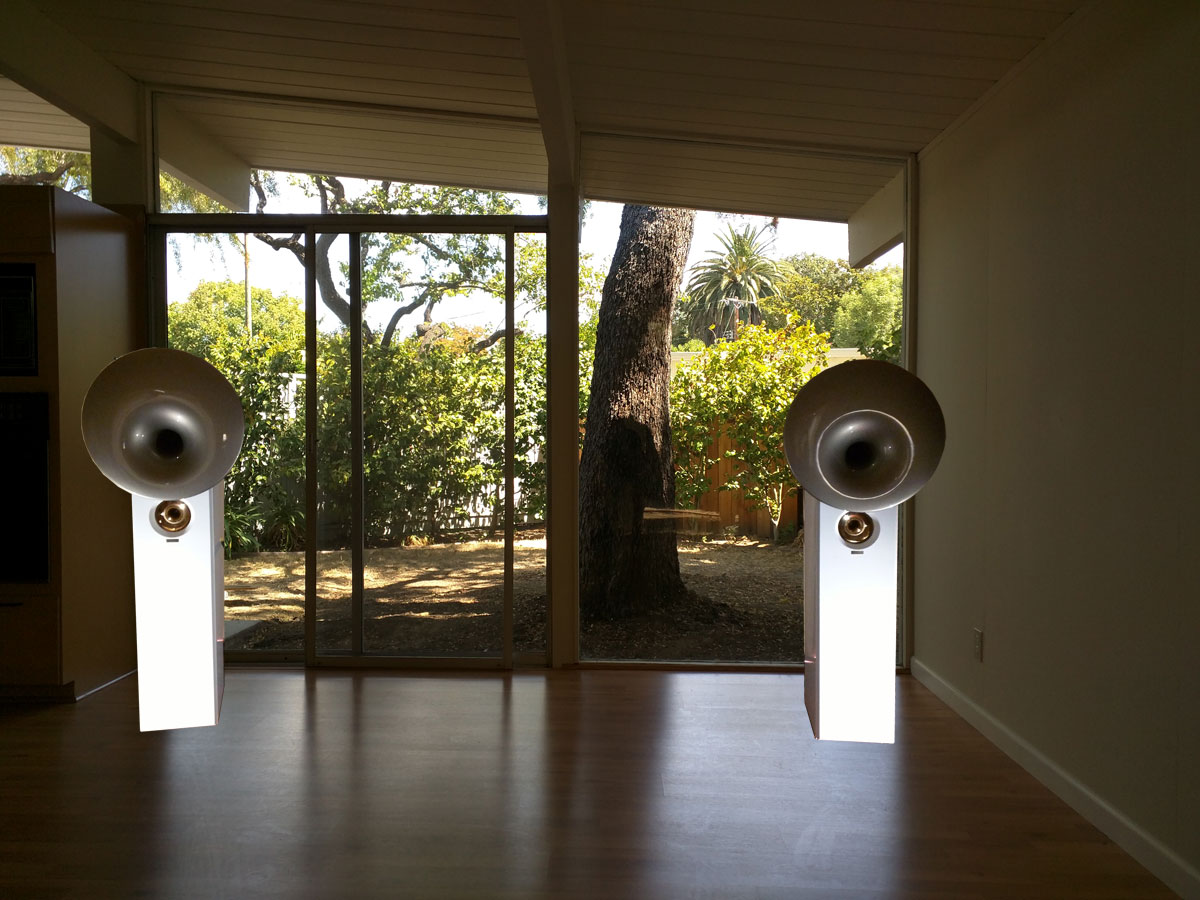
This is the dining room aka Listening room 2. This room is 11×18 feet in size. Right now we have a pair of used Avalon Eidolon speakers which will go in here to start with. There will probably be a steady rotation of gear through this room.

eichler-3-IMG_20160815_171015

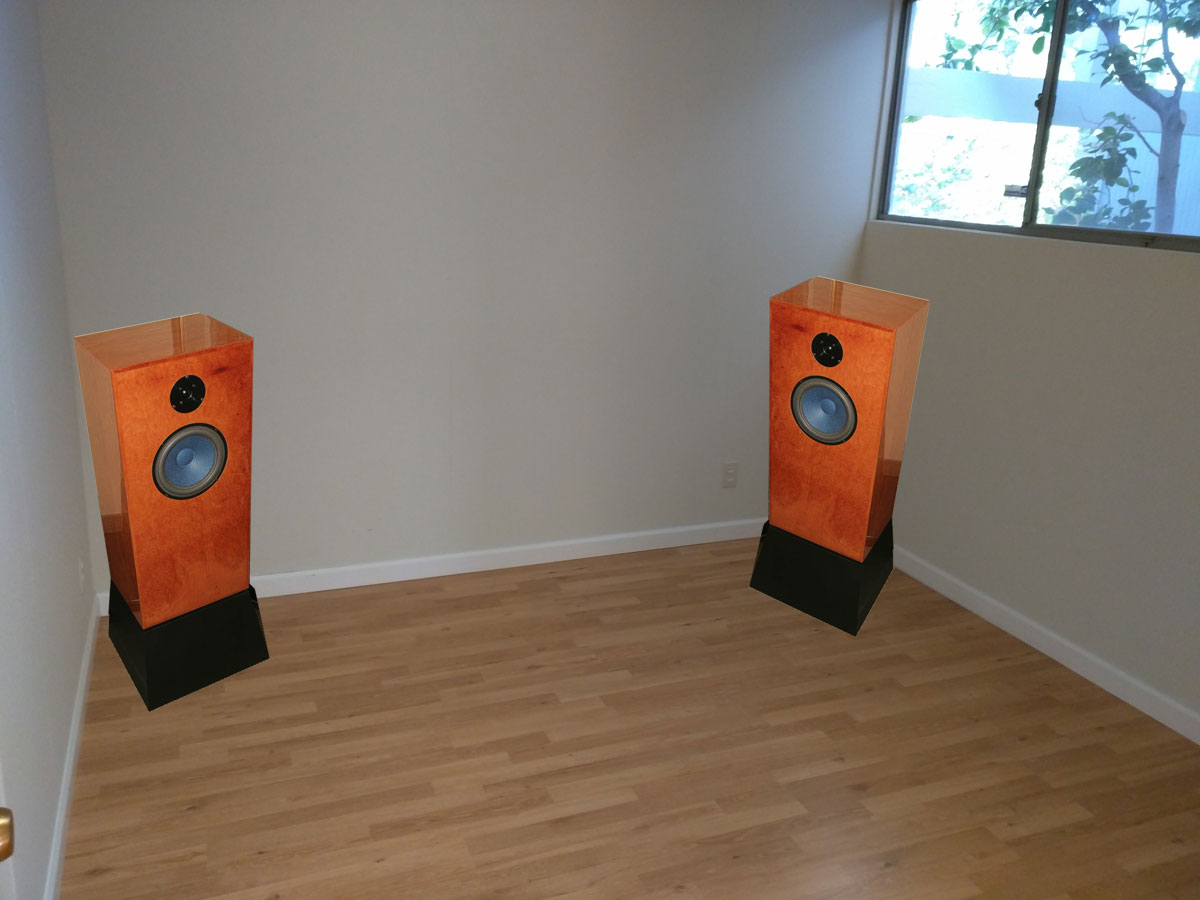
This is the 3rd listening room. This will be an office until we need another listening room. It is 11×14 feet in size.

eichler-4-IMG_20160815_170905

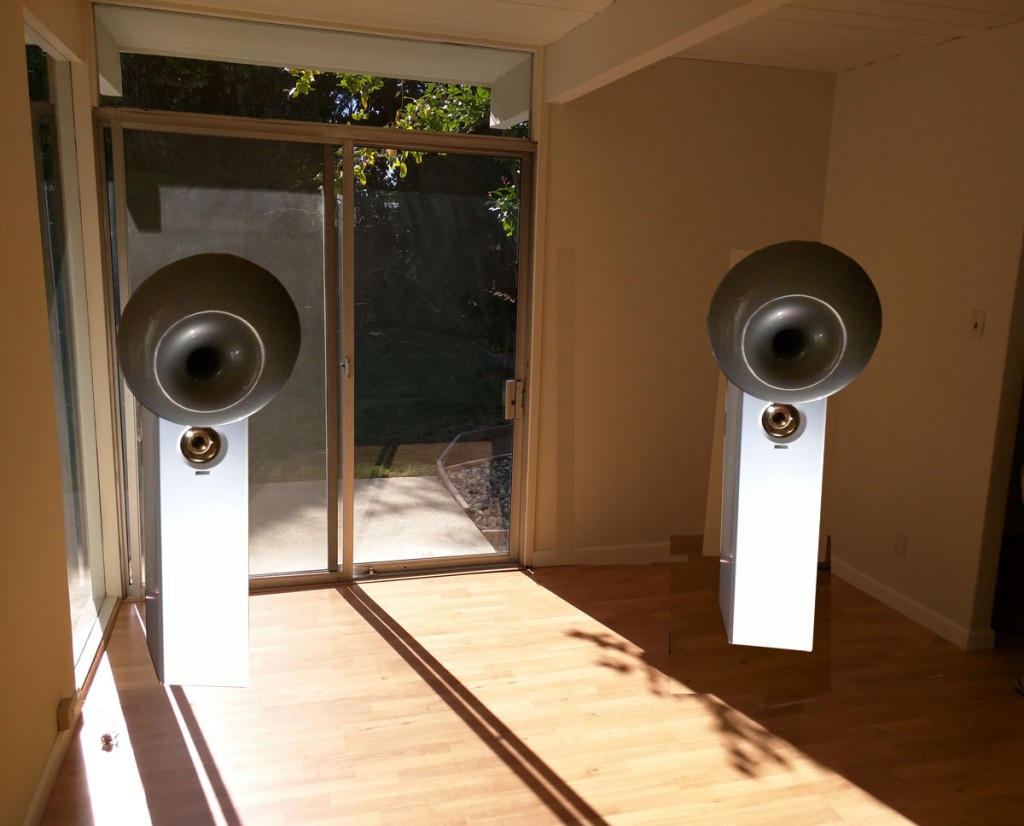
This is the 4th listening room. It has ‘Audio Note corners’ optimal for placement of Audio Note speakers. it is 11×10 feet in size. This is a small room, but many of our AN customers have small listening rooms like this. We might be also end up swapping Audio Note between here and Listening room #3. [just not sure how having one all glass corner will work for these speakers. Guess there’s only one way to find out :-)].

The blog here will go back to being much more about audio than house- and room-selection methodologies – though at some point we will do a more thorough wrap up of all the many, many issues the audiophile has when moving listening rooms from house to house.