
[Just photos. No commentary].
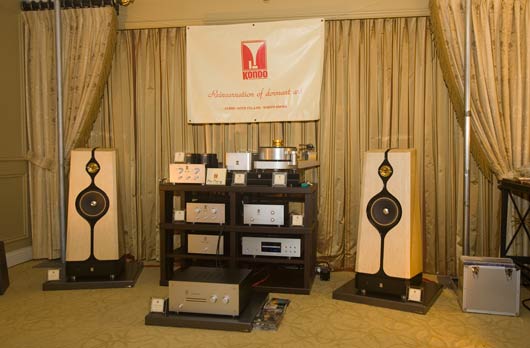

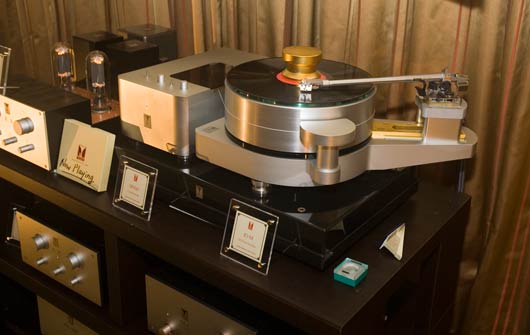

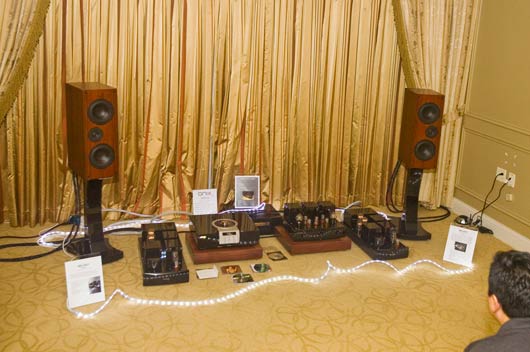

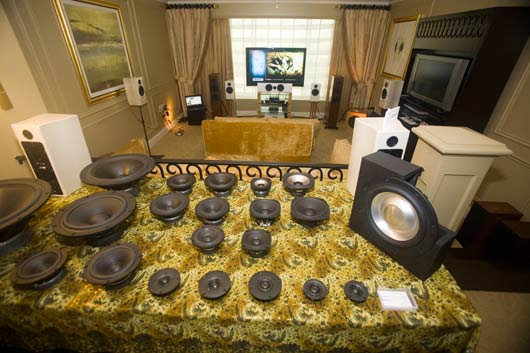

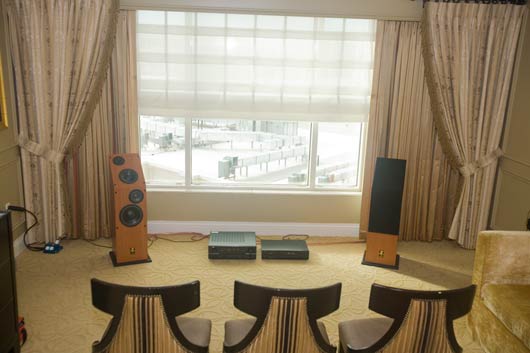

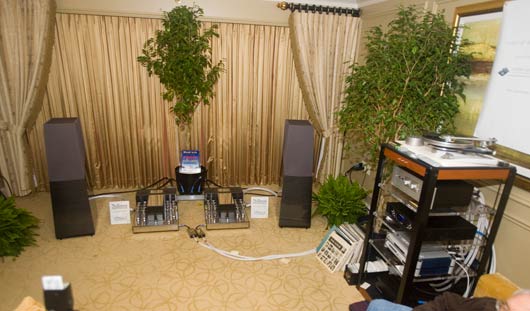
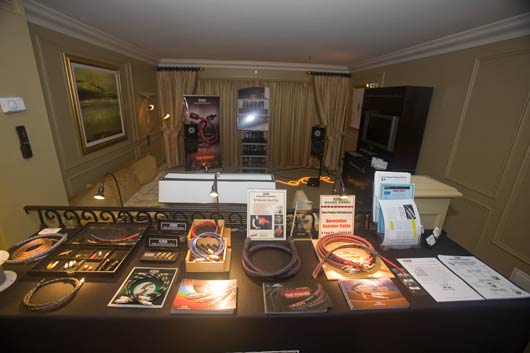

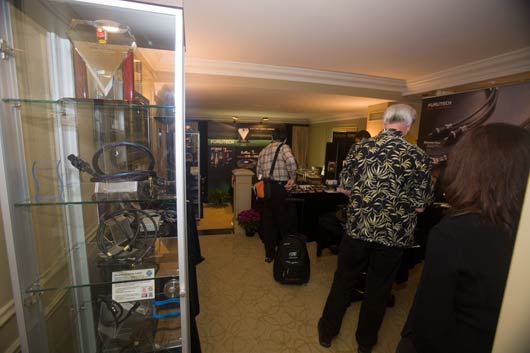

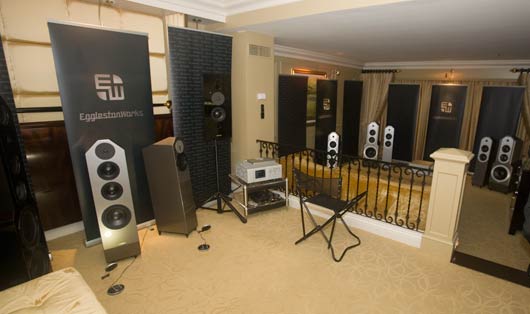
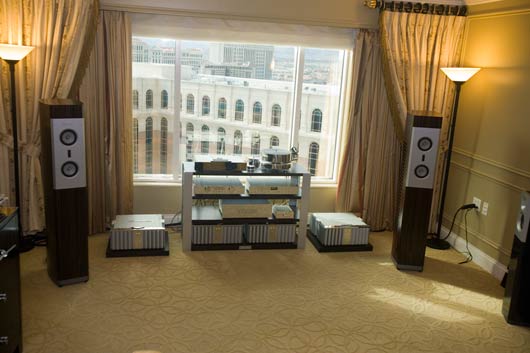
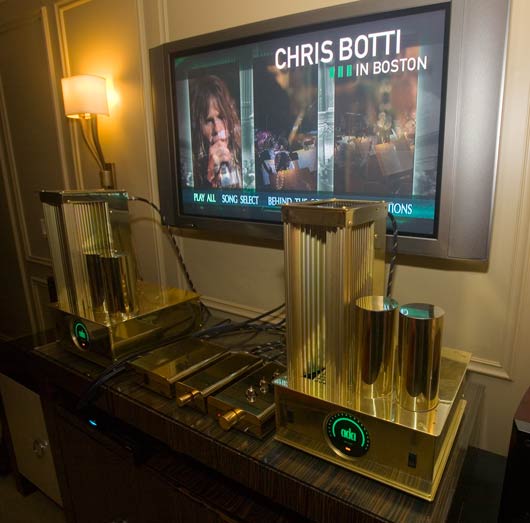
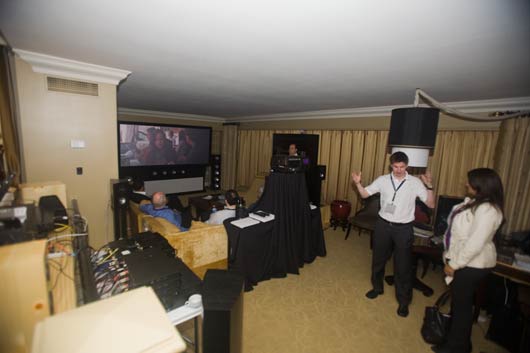
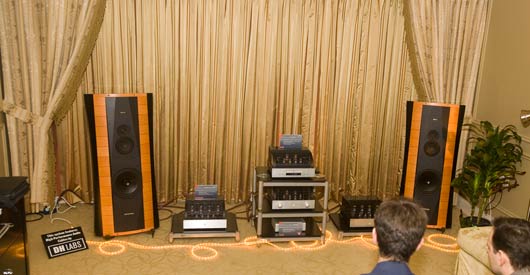
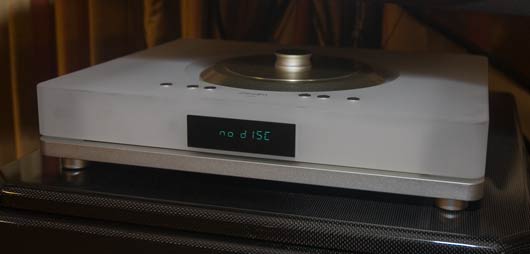
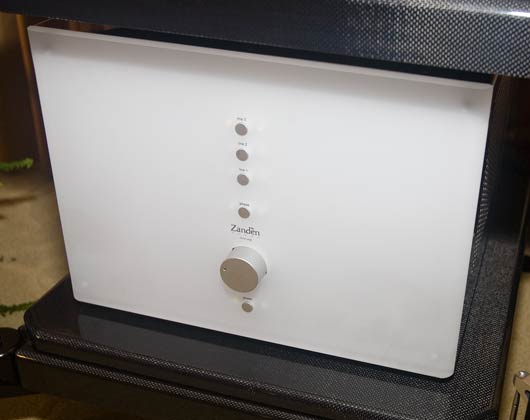

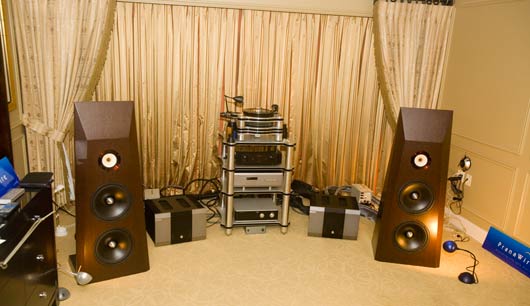
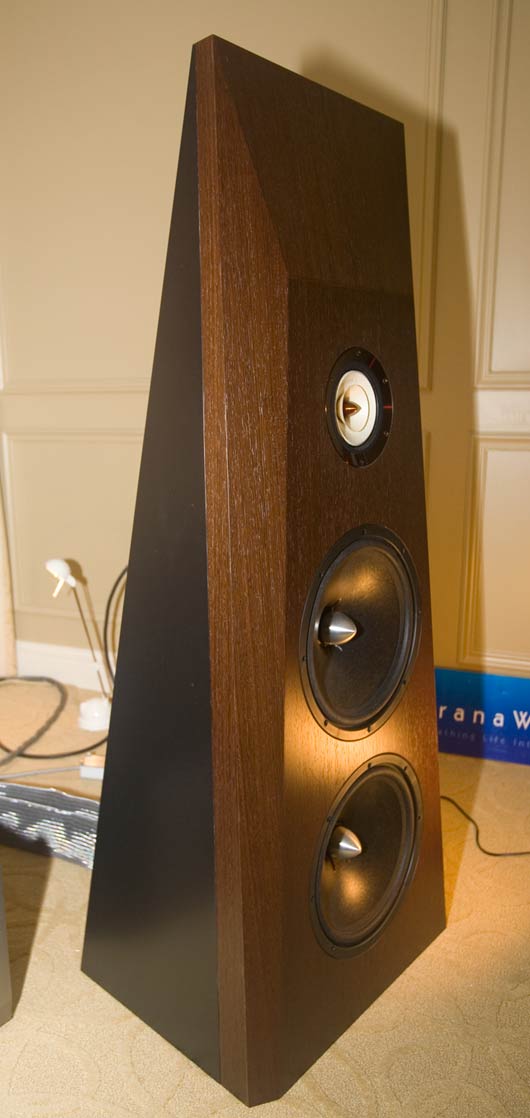

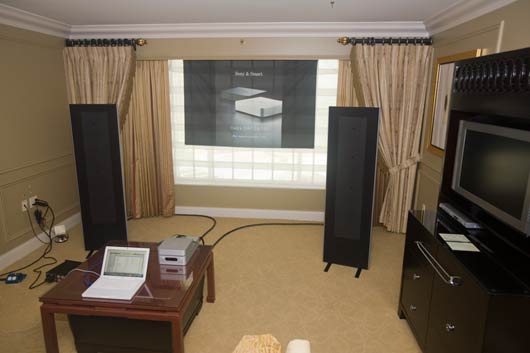

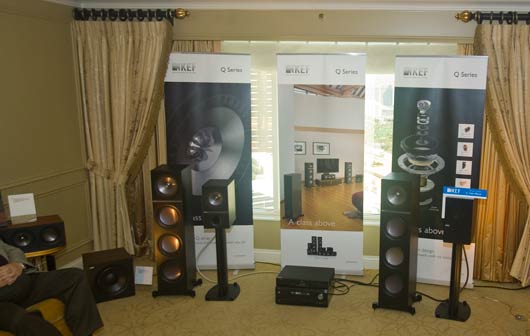
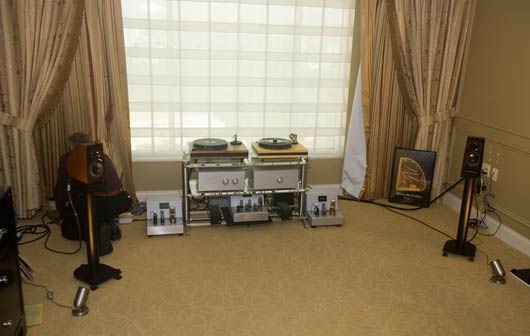





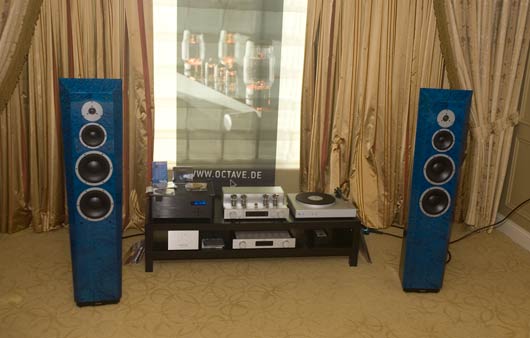
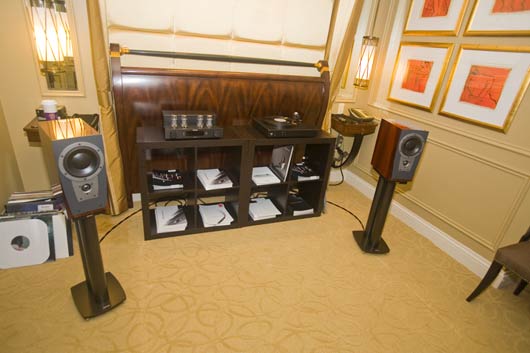
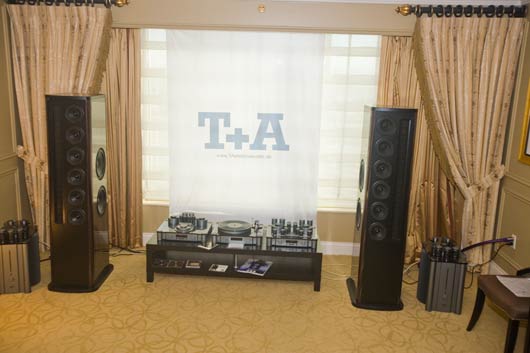
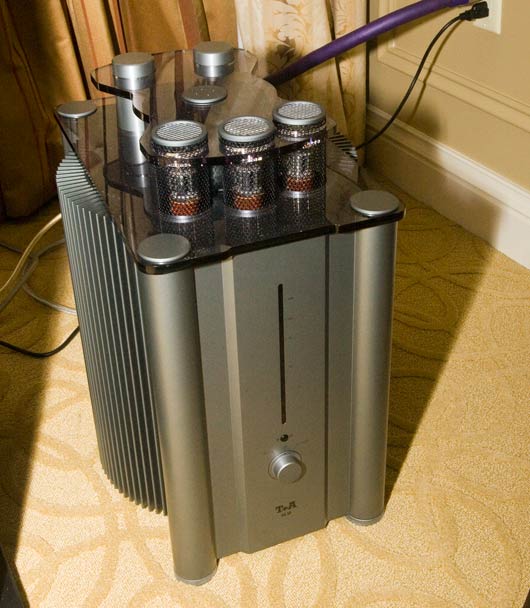

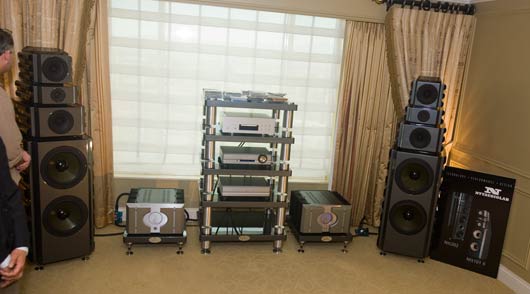
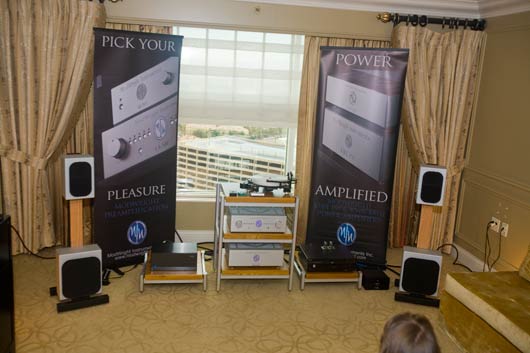

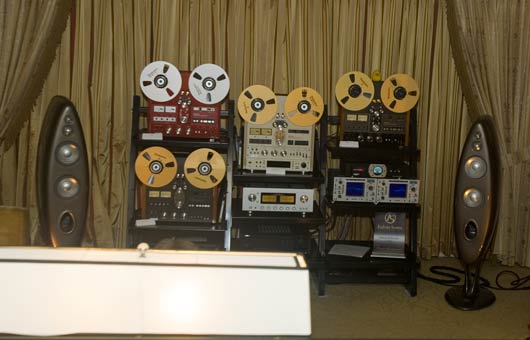
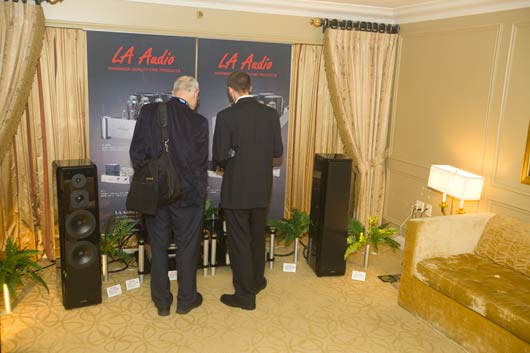


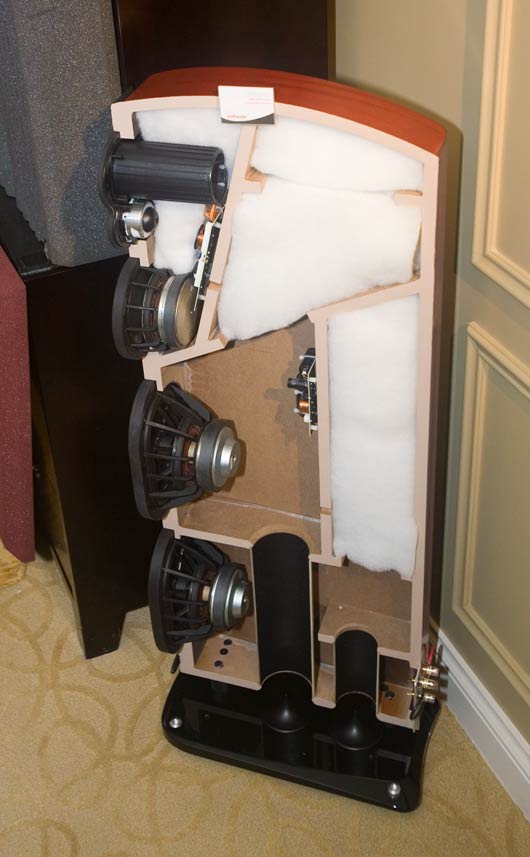





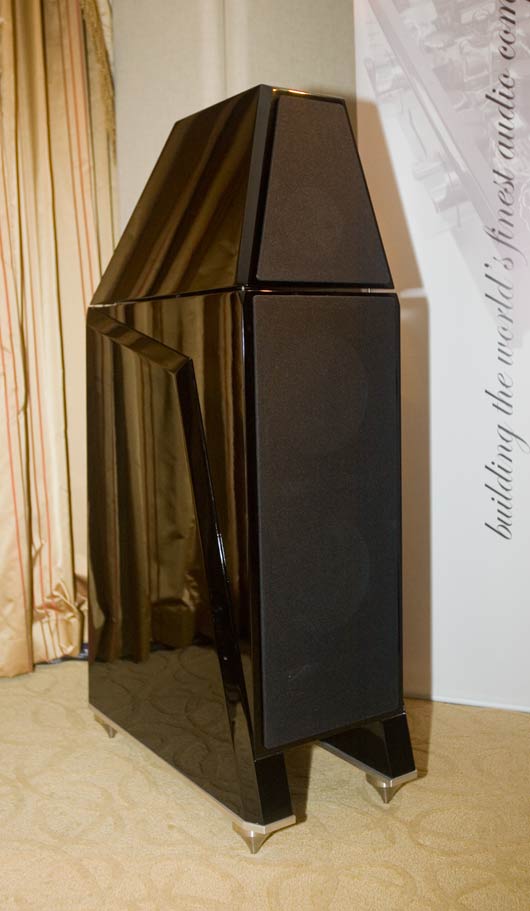
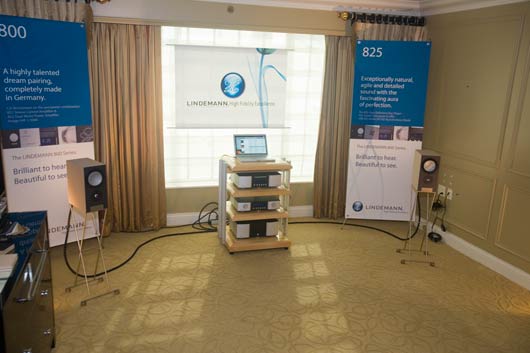
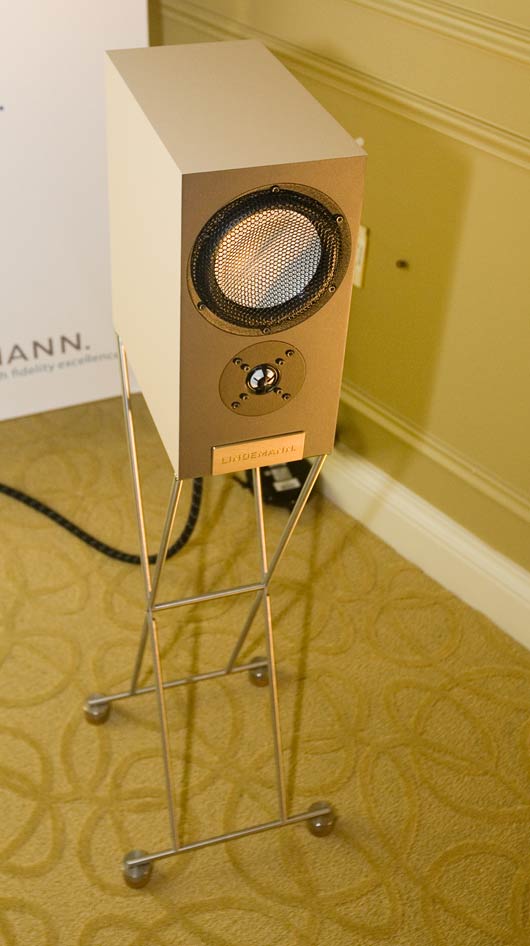

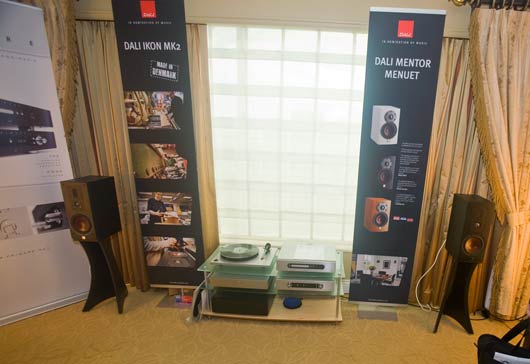
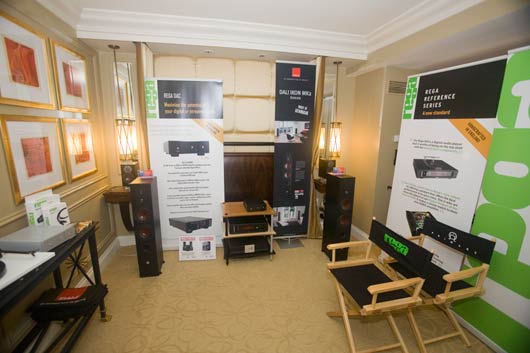
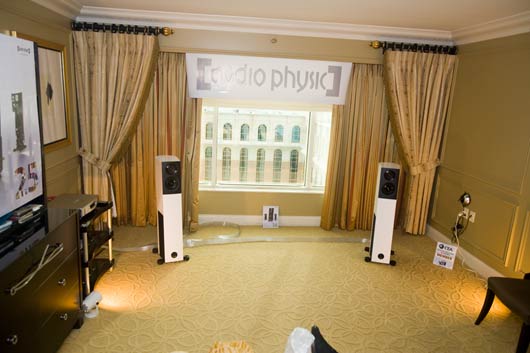
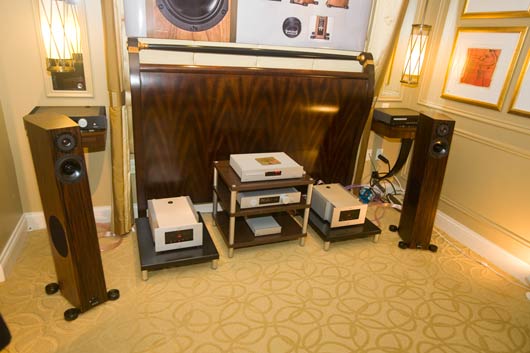
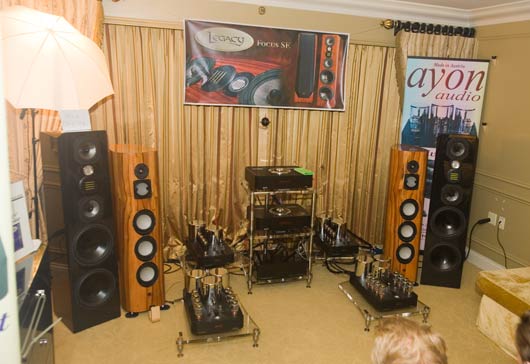

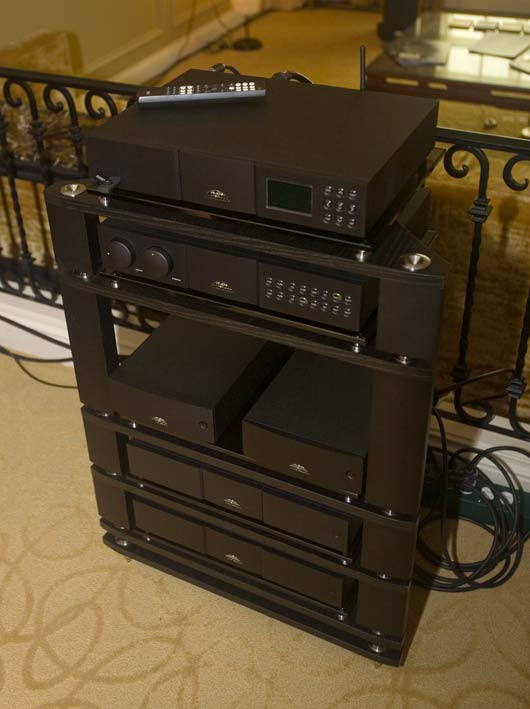

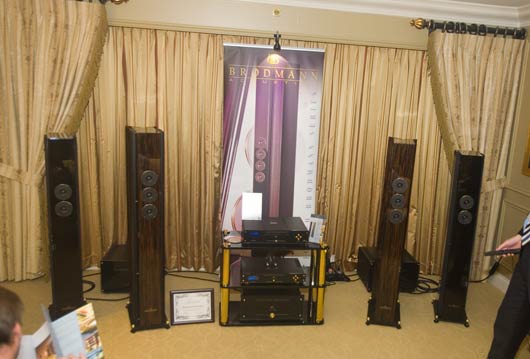


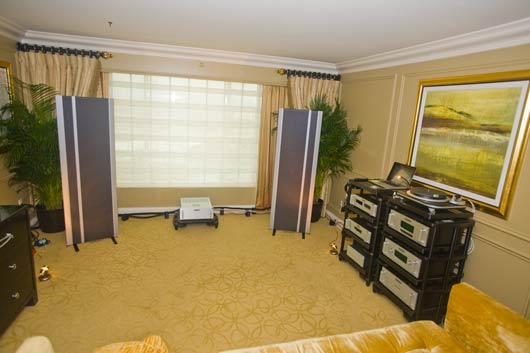

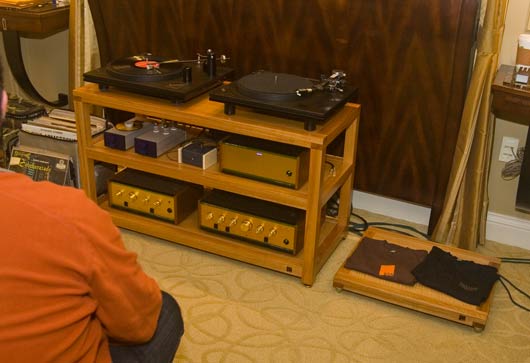


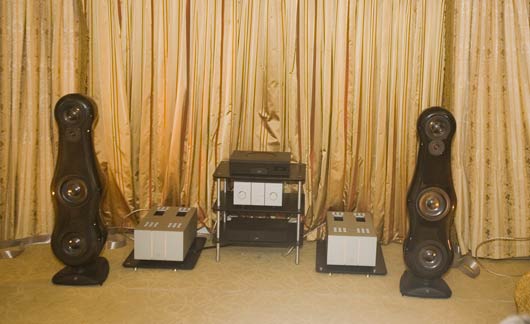




A nice overview of the Audio Note factory by a local dealer in the U.K. [thanks, Florian!]
DecoAudio: Audio Note Factory Visit December 2010
We have also had occasion to see inside the Fifth Element [we (me) somehow put it upside down in the car on the way back from CES and wanted to make sure the tubes had not jiggled loose. The tubes were just as solid as if I had put the DAC in the car right-side up]. Very impressive. Yes, I took photos and we’ll post them sometime in the near future.
We have guests here for ‘multi-day auditions’ every so often where we listen to a ton of stuff over the course of a few days – kind of like a sequence of shootouts but with a goal in mind – the goal usually being to get the best sound possible for a particular guest.
Last week we had a great time at one of these auditions, and our guest came up with a very nice intuitive way to quickly draw the overall balance of a particular system. I am not all that sure this particular guest wants to accept the blame for these drawings 🙂 – and his hand drawn ones were certainly nicer than my mouse-drawn ones – but I liked them enough to think it worthwhile to share here on the blog.
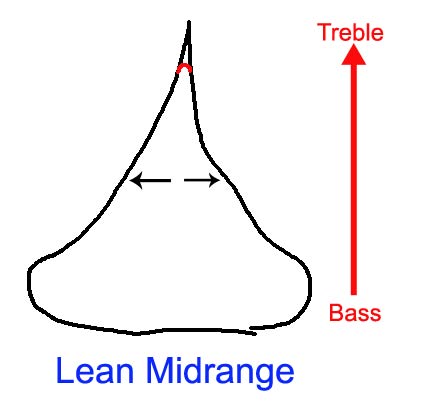
The width of the “Hershey’s Kiss'” is the characteristic energy/information of the system at a given frequency. The system diagrammed here has a lot of bass energy but little midrange energy and almost no treble energy.
This is typically [over the course of many discussions with people we meet] what people Do Not want.
The red part of the curve would be an alternative sound that did not have a ‘bite’.(?)
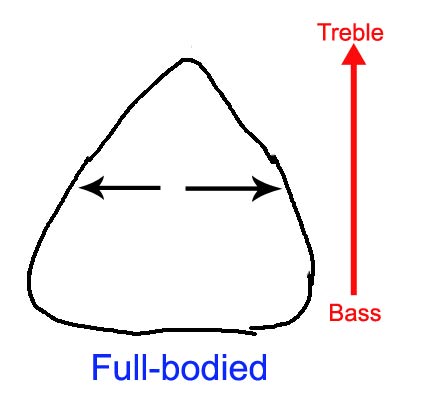
This is a nice, full sounding system. This is what people in general DO want.
These next drawings are originally drawn by me, expanding on the idea of the 2 above.
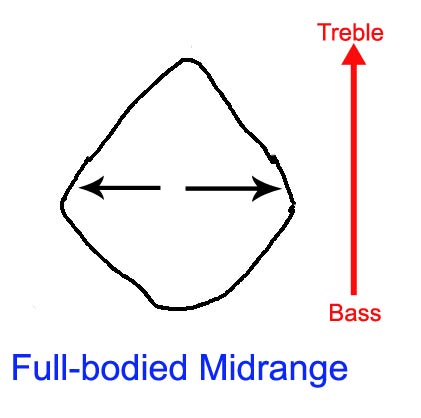
The system diagrammed here might represent your typical inexpensive tube amp: nice midrange but weak on bass and a little rolled off on top.
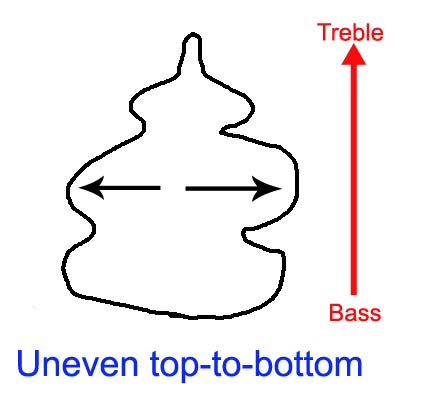
The system diagrammed here might represent your typical inexpensive speaker system that has problems in the crossover frequencies.
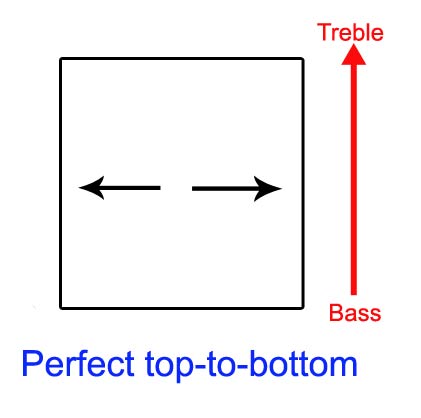
This might be the perfect system(?) – we can certainly define it to be so, since we are the ones making all this up :-). It represents perfect top-to-bottom quantities of energy/information.
We should really have several of these drawings for a single system, one drawing each for:
1) harmonic information/energy
2) micro dynamics
3) midi-dynamics
4) separation (ability to handle complexity)
…
