This is a highly opinionated review - this is what we heard, at a show, in a hotel room, from a hastily set up system. This show report emphasizes the rooms that either sounded the best or exhibited very high-end equipment, the tip-top state-of-the-art. If we had time, we would have loved to visit each and every room and spend the time to play our test CDs and chat with the exhibitors. But because time is so limited compared to the large number of exhibits, we decided to sample the icing (yum!) and leave the cake for another time. This approach is fraught with the peril of missing something significant -- not being exhibitors (who usually just want to go home after the 4 grueling days), we wish that CES lasted long enough for us to hear every room. We are dealers for Acapella Audio Arts, Accustic Arts, Acoustic Dreams, Audio Aero, Audio Note U.K., Edge Electronics, HRS (Harmonic Resolution Systems), Lamm Industries, Loricraft, Lyra, Magic Diamond Blue, Marten Design, Nordost, RixRax, Shunyata Research, Sound Lab, and Walker Audio.. We do try to be as honest (and some may say ruthless) as always regarding our reporting about the sound of these lines at the conferences, whether they sounded fantastic or completely sucked, but we must necessarily hold back (some :-) on our exuberance, or perhaps even disappointment, in the name of good taste, when referring to these lines or their direct competitors.
Often this was because the note envelope - the shape of the magnitude of each frequency of a note as it springs into being, swells, and decays - has been altered so much it is almost unrecognizable as originating from a real, physical musical instrument at one time. This, sometimes unpleasant, sometimes melodic, result may be the result of the notes being smoothed out in order to prevent any brightness from occurring by a component or speaker; the notes being compressed because of design limitations; because the note's leading edges (and sometimes trailing edges) have been emphasized to enhance the sense of massive amounts of detail which has a tendency to impress potential buyers; because the notes are jangled up and mixed up with other notes due to design limitations; or the intentional sacrificing of micro-dynamics in order to achieve, perhaps by accident, the 'wall of sound' that some people prefer to hear in order to maximize average decibel output. Note that all of these goals that result in this homogenization of music into sound are laudable in some circles and appeal to particular audiences who do buy audio equipment. To each their own.
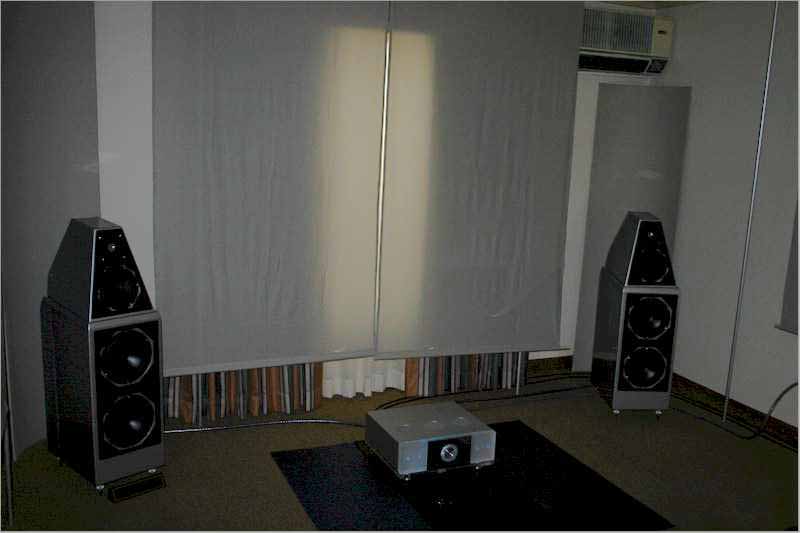
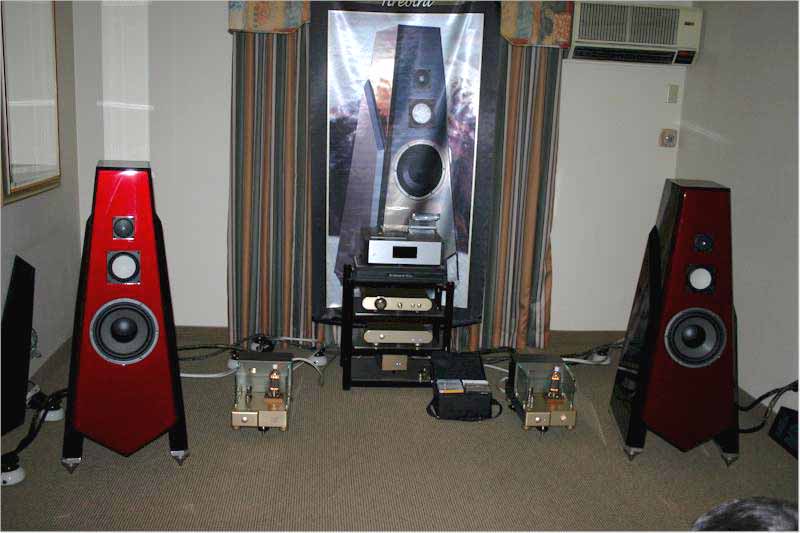
The Hovland / Wilson Room
We heard some vinyl and one of our test CDs - and there is an special enchantment to this system.
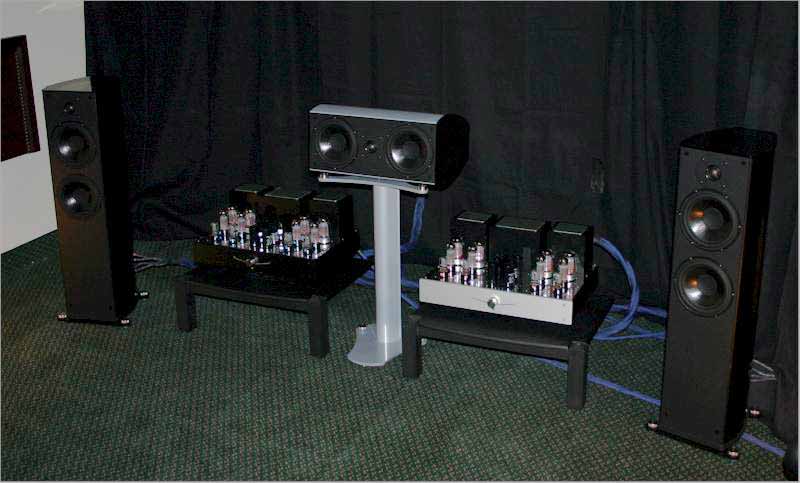
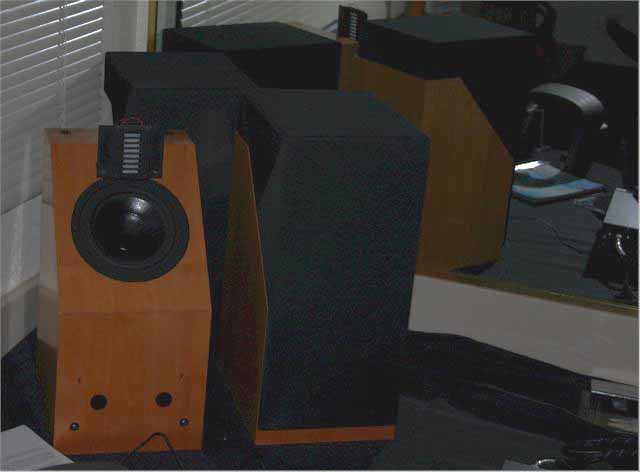
The speakers were set up in a small, darkened, oddly-shaped room in a 5-channel configuration. The 5-channel demo CDs were actually quite nice, augmenting rather than distracting from the (essentially 2-channel) music presentation - creating a deeper, more solid soundstage when enabled, collapsing the soundstage in both width and especially depth when disabled.
Oskar Heil Room
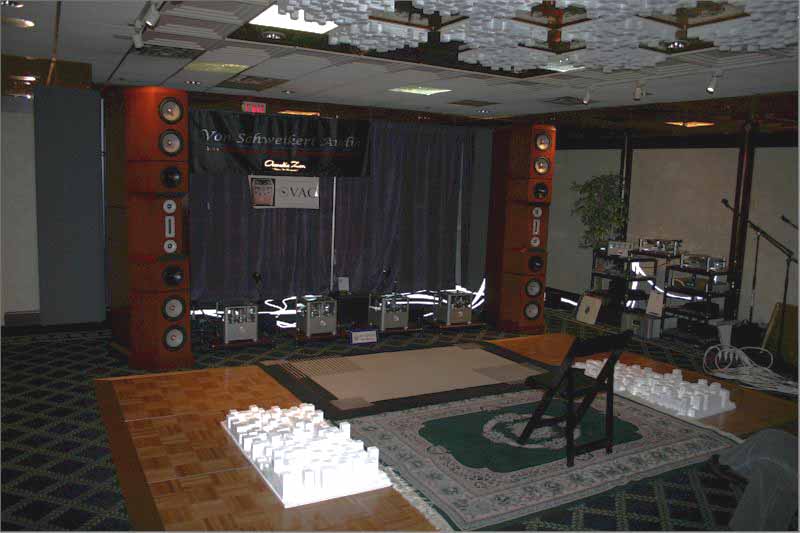
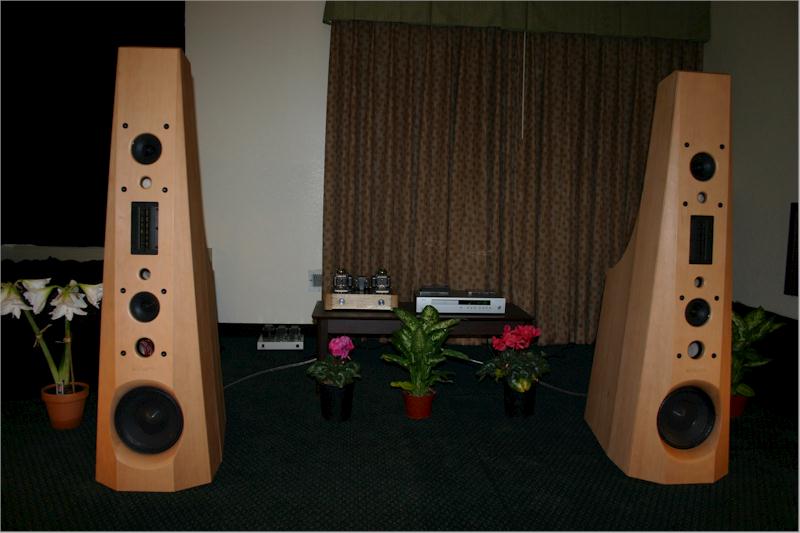
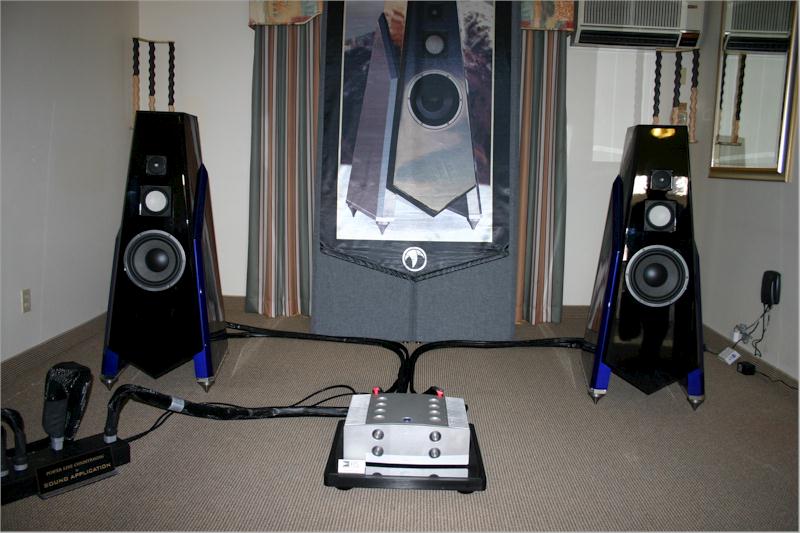
Von Schweikert Room: Von Schweikert / VAC
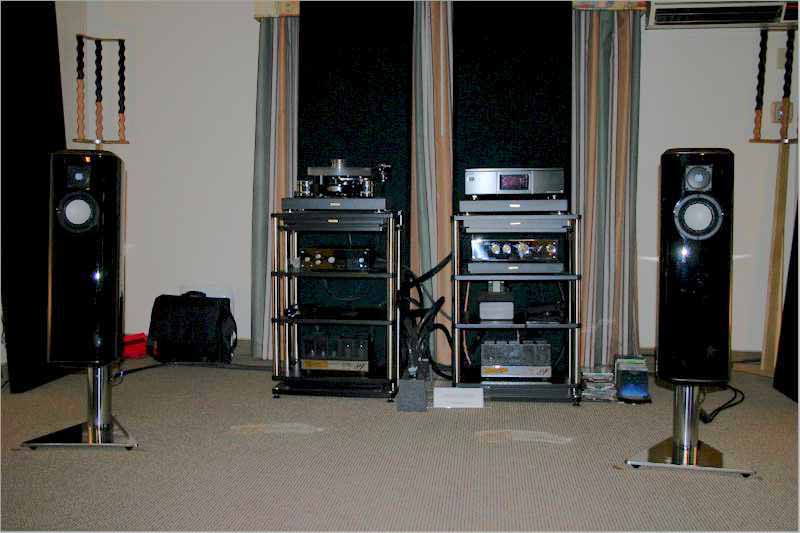
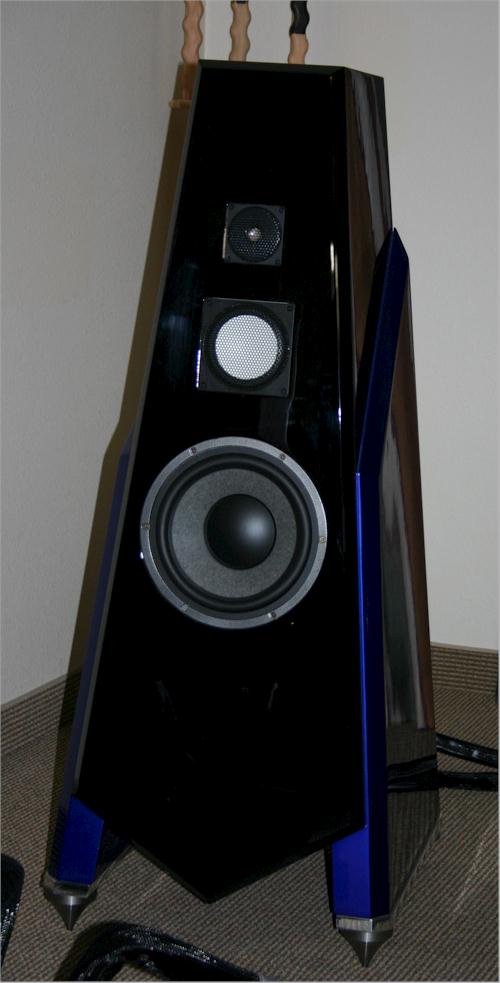
Very big sound with good imaging, soundstaging depth, and macro dynamics. The speakers themselves are attractive and come apart in 3 pieces and the overall weight of each is a mighty 1100 lbs or so. Though possessing lots of authority vis-à-vis macro-dynamics, this system was missing the last word in micro-dynamics and so did not quite sound like the sound of real instruments. Also missing some finesse and, though the soundstage was engrossing, did not draw us into the music as well as perhaps it might have.
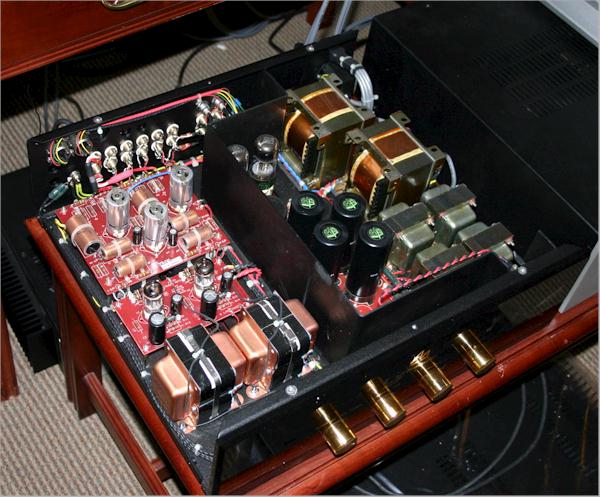
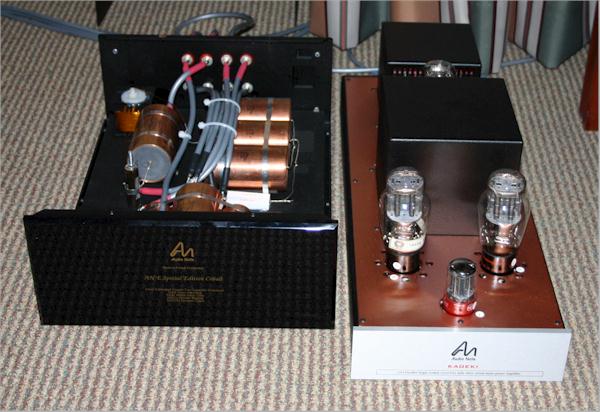
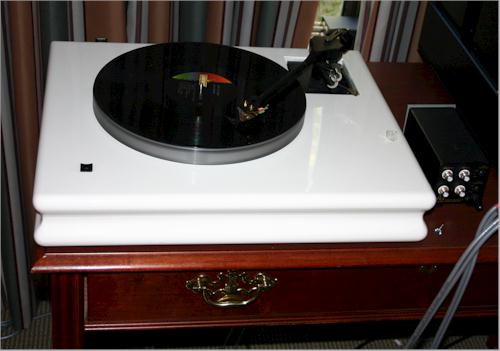
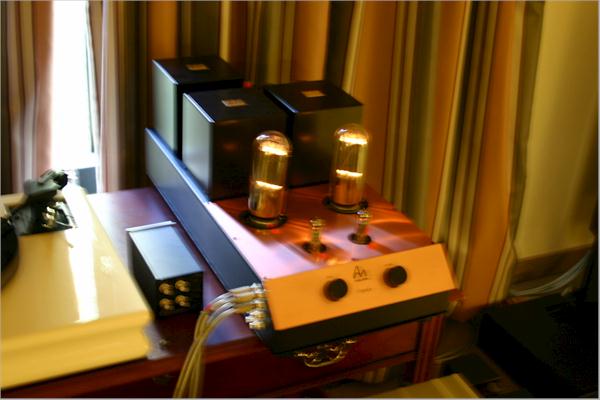
Audio Note U.K.
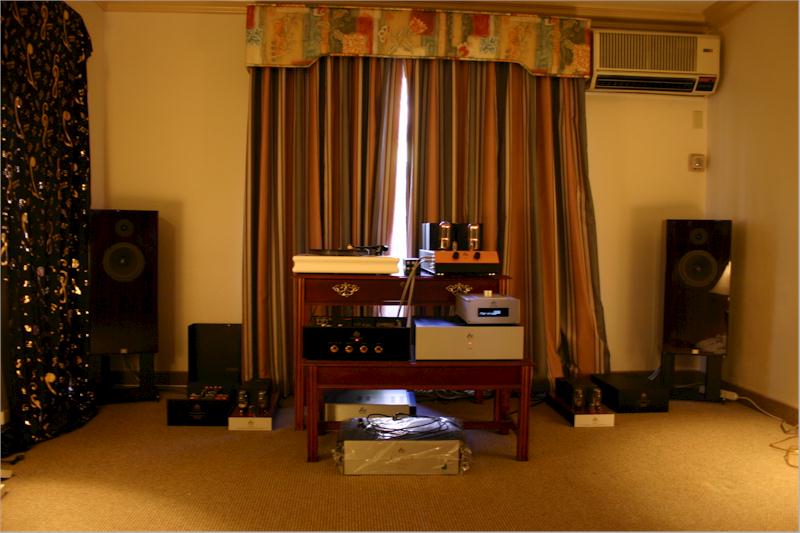
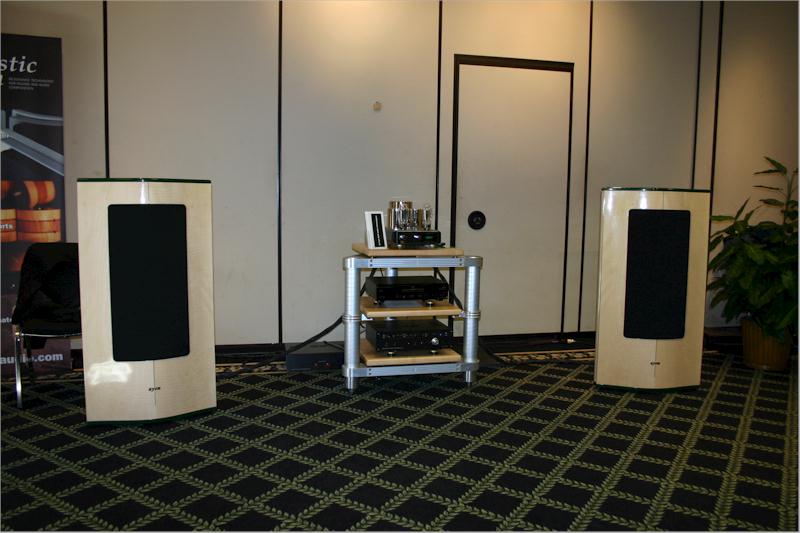
Musical yet accurate, detailed yet romantic, classical music played effortlessly with no collapsing of the soundstage nor rendering of detail into a wall of sound. We thought, however, that this system lacked the fullness and macro-dynamics that a midsize or large speaker would bring. This was one of a surprising large number of systems that used hotel furniture as equipment racks. There was even someone using a cardboard box as a platform for an Audio Aero CD player (don't worry, we won't say who :-). Not sure if this says something about the cost of equipment racks, the size and weight of equipment racks, lack of planning, or just about the overall confusion and chaos that sets in when trying to setup a complete (and good sounding!) system in one day (and night). Or perhaps the exhibitor is just making a statement (as seems to be the case in this instance vis-à-vis Audio Note U.K.).
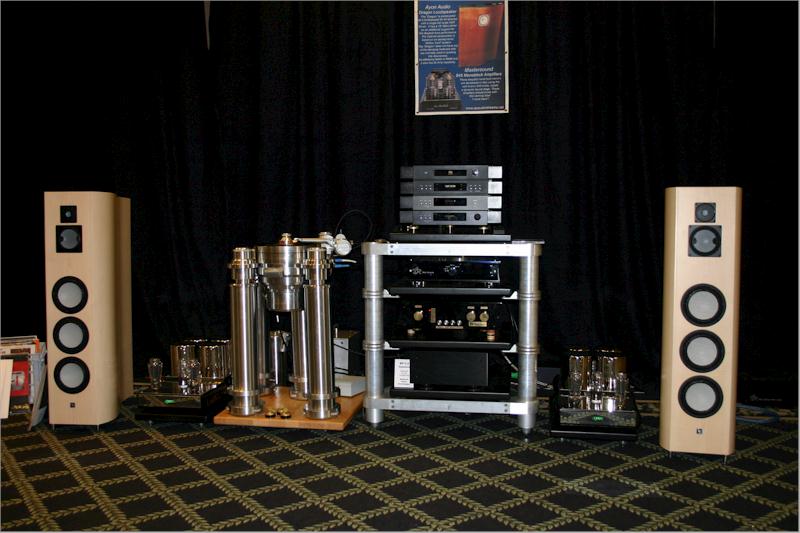
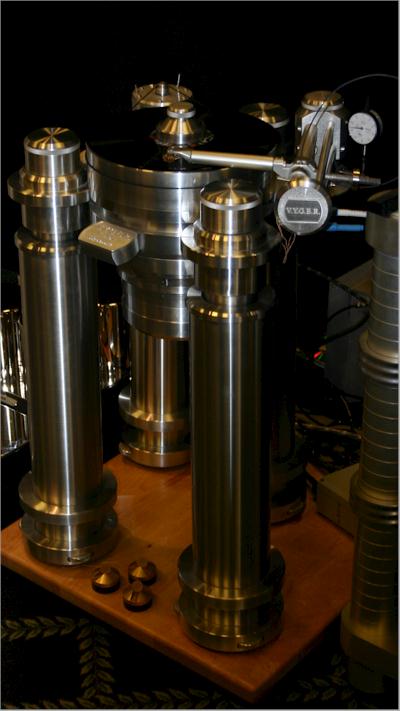
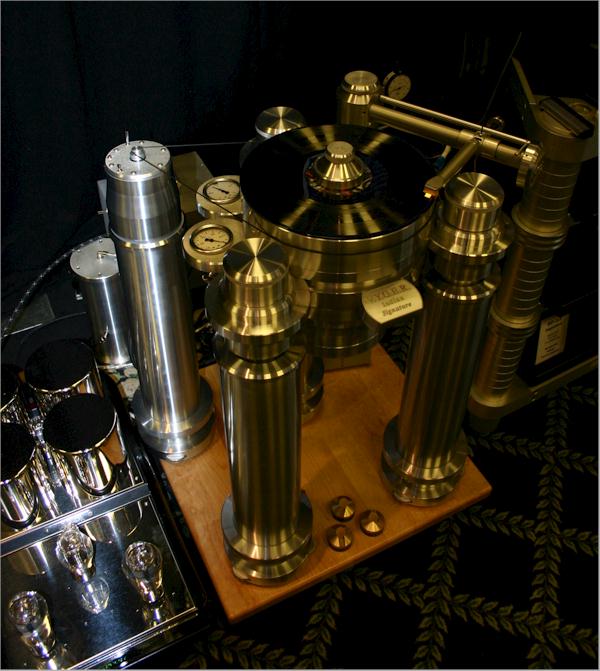
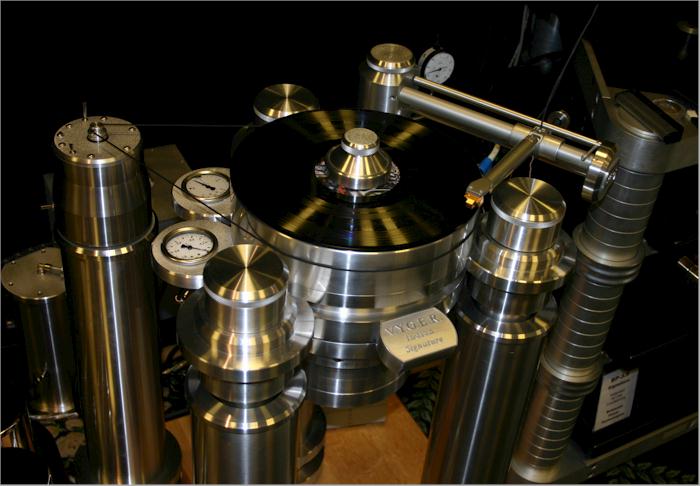
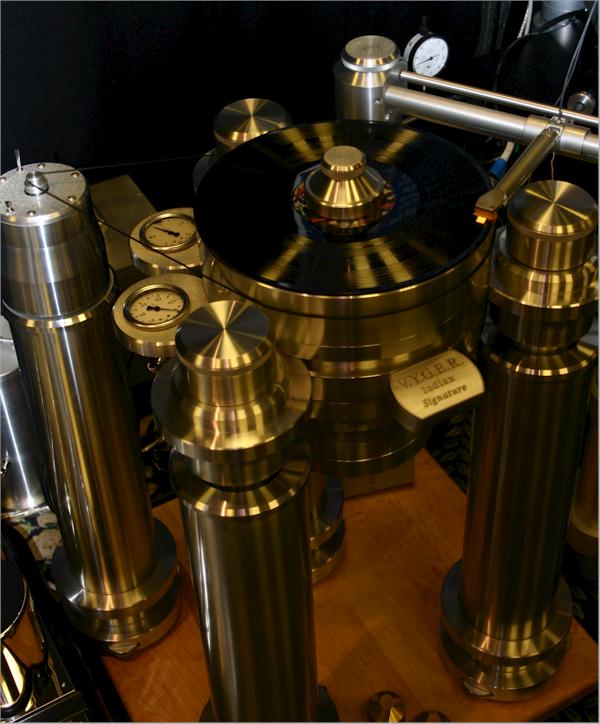
This is the best we have heard the Lumenwhites sound. Very pure and detailed, with plenty of PRaT. THE DCS digital source equipment was almost able to keep up with the VYGER turntable and ASR phono stage - the DCS was detailed, musical, good dynamics up and down the scale, a nice pure sound though not as pure as the EMMLabs but with more finesse. Quite impressive and definitely a step up from the previous generation. The larger Ayons seemed to have no trouble driving the Lumenwhite Whiteflame speakers and the mysterious Millennium preamplifier (one of a handful in existence) seemed to do a fine job of letting the music through (of which it is rumored we will hear more about in the future). Enjoyable, though not quite as engrossing as the Audio Aero room or the Joule Electra /Joseph room and the slightest bit hard sounding during massed transients.
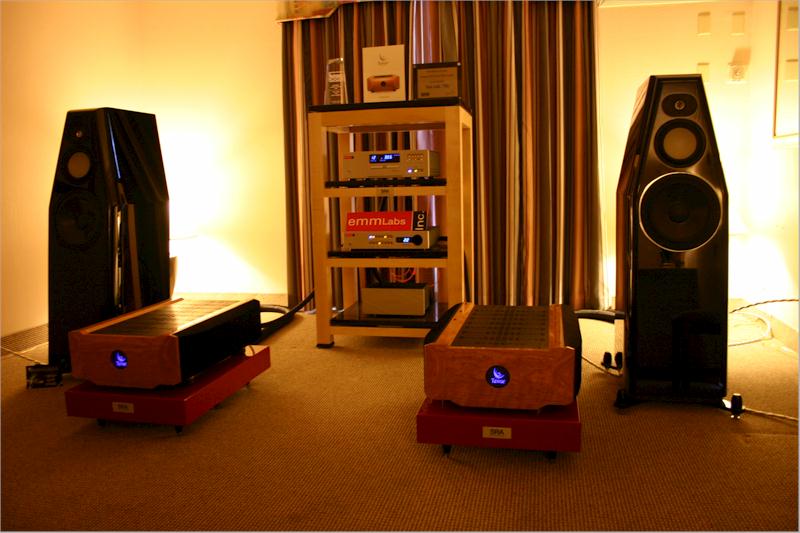
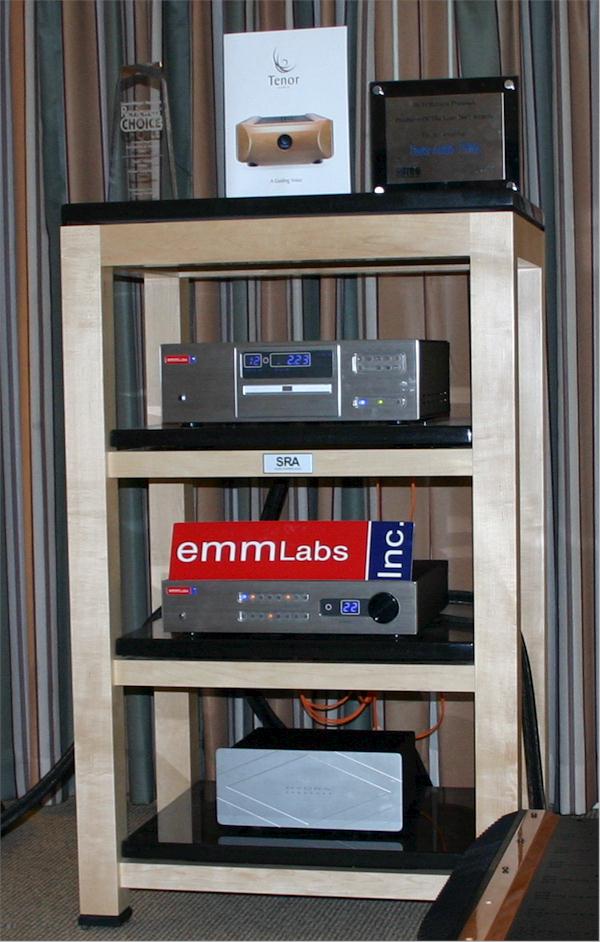
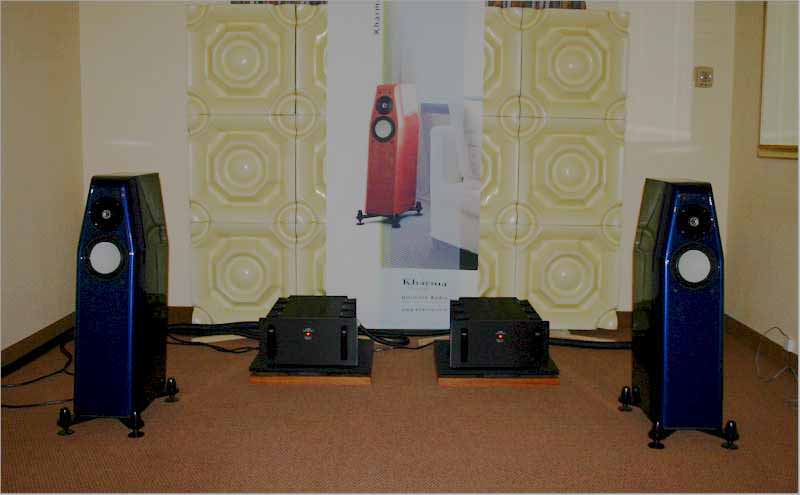
Tenor Room: Tenor / Kharma / EMMlabs
Detailed and dynamic, a nice solid performer, up and down the audiophile checklist within the limitations imposed on the system by the size and character of the Kharma 2-way speakers. Missing some air and that fullness/completes of the lower midrange that comes from having a woofer. No collapsing of the soundstage on large orchestral pieces.
Gilmore room #1 Lack of soundstage depth, collapsing on loud/complex passages into a harsh wall of sound, harsh midrange, less micro and macro dynamics than most systems. The fit and finish of the speakers was also less than what we were expecting.
Gilmore room #2
Epiphany / Audio Aero / Orpheus
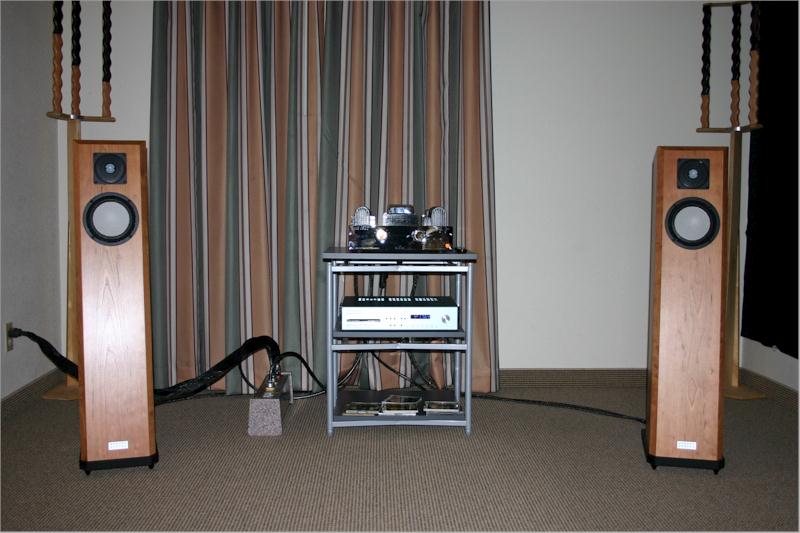
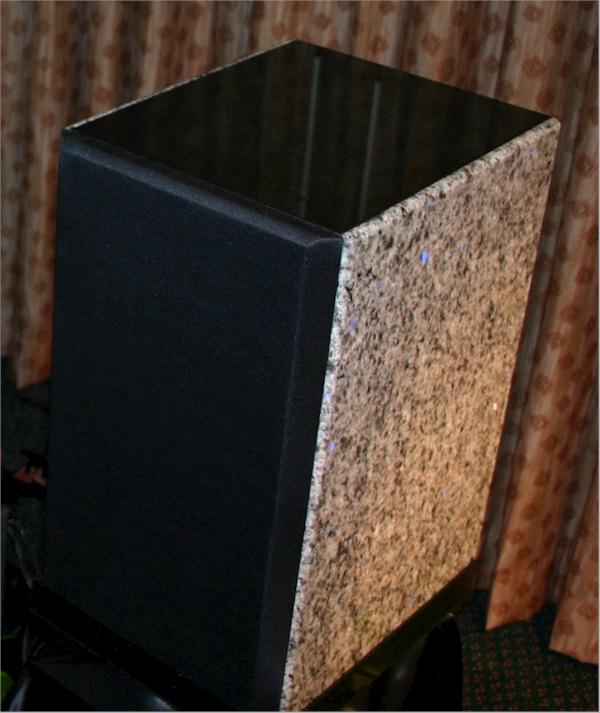
Weighing in at around 50 lbs, these around $3,500 granite encased largish monitor speakers had a fullness and depth of soundstage and macro-dynamics that was impressive for their size and price. Tonally accurate, the system had a wide sweet spot. We heard this system driven by an Audio Aero Capitole MK II with 4 hours, yes, hours, on it, graciously loaned to Epiphany by Globe Audio Marketing/Audio Aero, along with a 40 watt Orpheus amplifier, also loaned to them by Globe Audio Marketing/Orpheus. This is because the day before a different CD player that they were using, of an unspecified brand, had blown, taking the previous amplifier and much of the speaker circuitry with it. So, with all this, the newly rebuilt speakers were sounding quite good - and a true bargain at their price.
A smooth sound, macro-dynamics and authority in spades, missing a touch of micro-dynamics and the 'sharp edges' that some notes require to sound 'real'. This was another odd-sized room, quite small, and the system was positioned on top of a hot tub and sharing the room with a curtained-off shower. The lights were off and the
system was illuminated with a couple of glowing red lights. There were
about 3 chairs, and standing room for 2 or 3 behind them, situated about 5
feet in front of the speakers. It was played loud, yet the purity of the
sound was such that it probably could have been played even louder without
stressing our ears. Very atmospheric, in a somewhat 'late sixties meets
the future' kind of way.
This system had a smooth sound, detailed, pleasant to listen to with good soundstaging and large sweet spot.
JM Reynoud / ASR These monitor speakers are slightly sweet, evidencing tons of inner detail and finesse. Like with most monitor speakers, bass and fullness are not in evidence but the music was enjoyable and seductive. Almarro Room #1 (small speaker system)
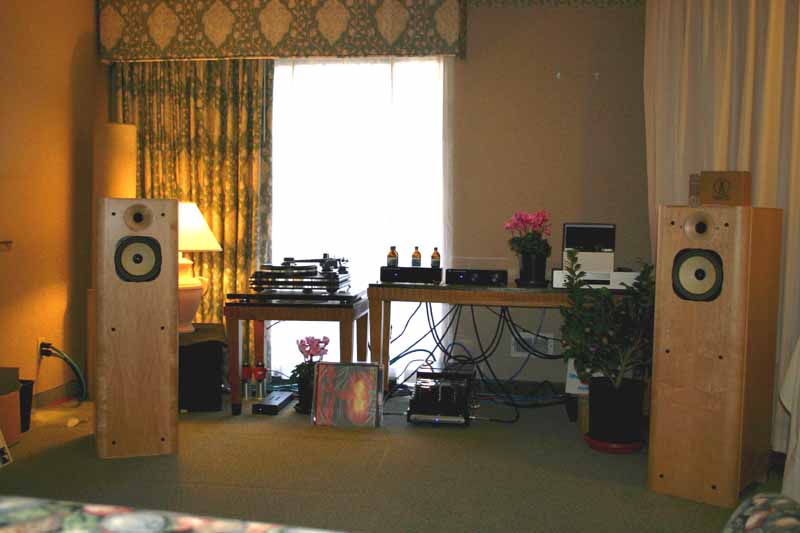
Pleasant and musical with lots of 6C33C tube flavor. While missing the air and bass dexterity (and overall finesse and authority) of the more expensive systems - this system is still able to communicate more of the music than most other systems costing 10 times as much. Using cheap cables and OEM Belden power cords, and an apparently un-modded inexpensive CD player, Almarro appears to be making a statement about what can be done with an extremely small budget (certainly with respect to the rest of the systems at CES). Again, because of the relatively low price of this entire system (~$4K) and because it is holding its own against the big boys, those on a budget should have a listen.
Musical Surroundings Room: Acapella / Clearaudio
Nice sound, big, real, timbre pure and clean, harmonically rich and enjoyable to listen to. Missing the last word in macro dynamics and authority. This is the first time we have heard the Clearaudio amps, and their being solid-state and all, we were pleasantly surprised that they were quite musical and smooth.
tmh Audio Room: Wavac / Talon
Detailed with lots of finese, good timbre and open and musical. Just on the warm side of neutral. Lack of bass control was evident on these relatively hard to drive speakers.
tmh Audio room: Wavac / ESP
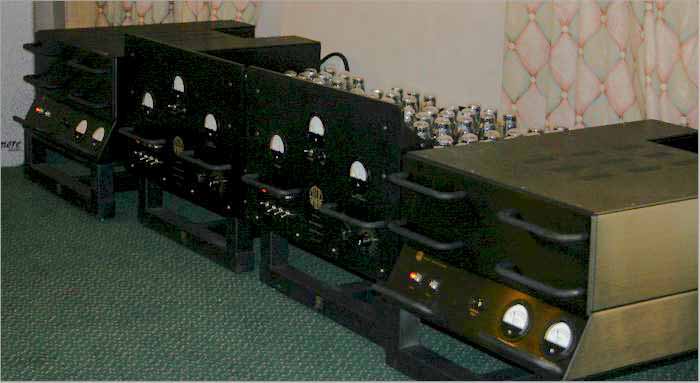
$350K amps anyone? Wavac introduced their new SH-833 150 watt, 8 piece monoblock amplifiers. Above 1000 Hz this system had a dynamic that reproduced piano better than anything yet heard by this reviewer. The Marten Design Coltranes paired with the Edge Signature One monoblocks produces a very convincing piano (and guitar) forcefully sucking the listener into the reality of the original recording session. The big Wavac seemed to do this one step better, with somewhat more harmonic richness and slightly more accurate leading edge of the note envelope.
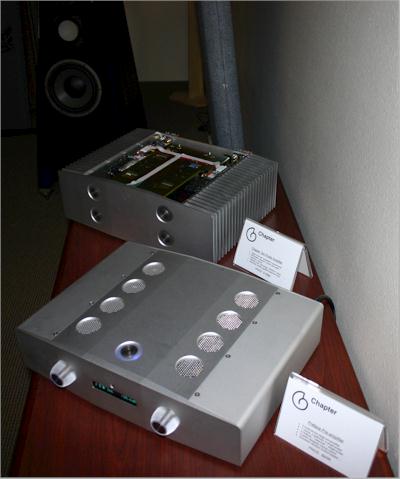
Chapter / Talon / HRS
We liked the sound of this system, coming to believe as we do that the Talons are best driven by high quality solid-state amplification. The sound was detailed and pure, bass was well controlled. There was, however, some slight lack of involvement with this system.
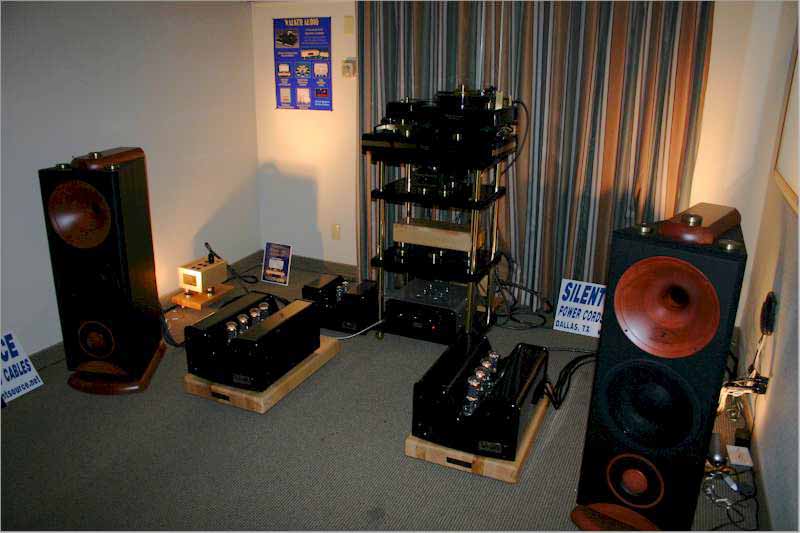
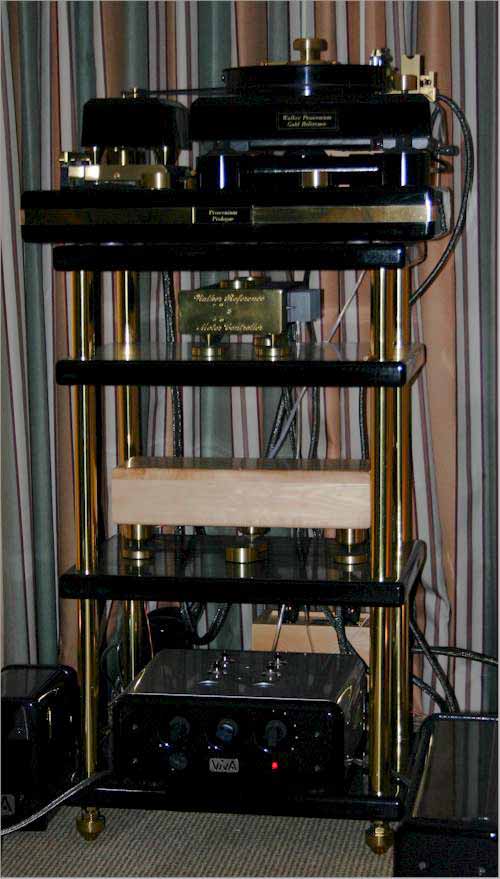
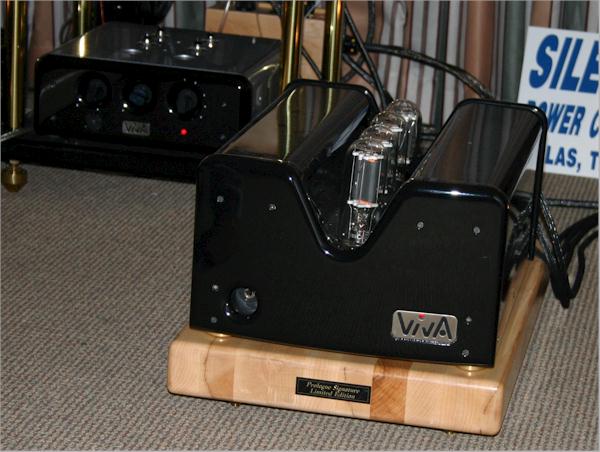
Walker / Viva / Zingali / Silent Source
An amazing amount of detail, especially with large orchestral scores, that was not matched elsewhere at CES. Good soundstaging and macro-dynamics, missing some overall finesse and evidencing some compression and 'beamyness' in the midrange of the speakers. To say the $13K speakers had a hard time keeping up with the almost $100K system would be stating the obvious - but for all that they hung in there like troopers.
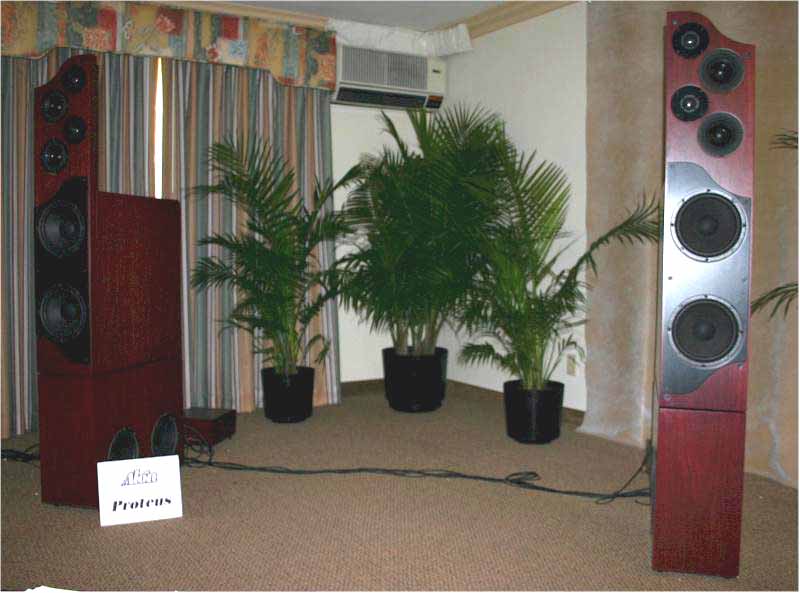
Alon, ASL
Introducing the new $45K Alon Proteus speakers. We liked the big. open, relaxed nature of the sound of this system. Lack of inner detail and micro-dynamics and bass control made this system, which was often played WAY TOO LOUD, not very engrossing. Pretty sound (but not as pretty as the Accuphase room) but somewhat 'blurry' and not very real.
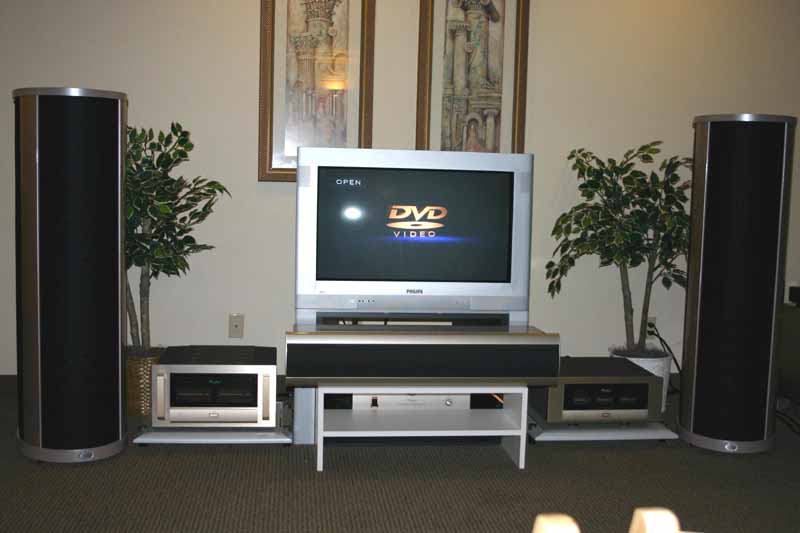
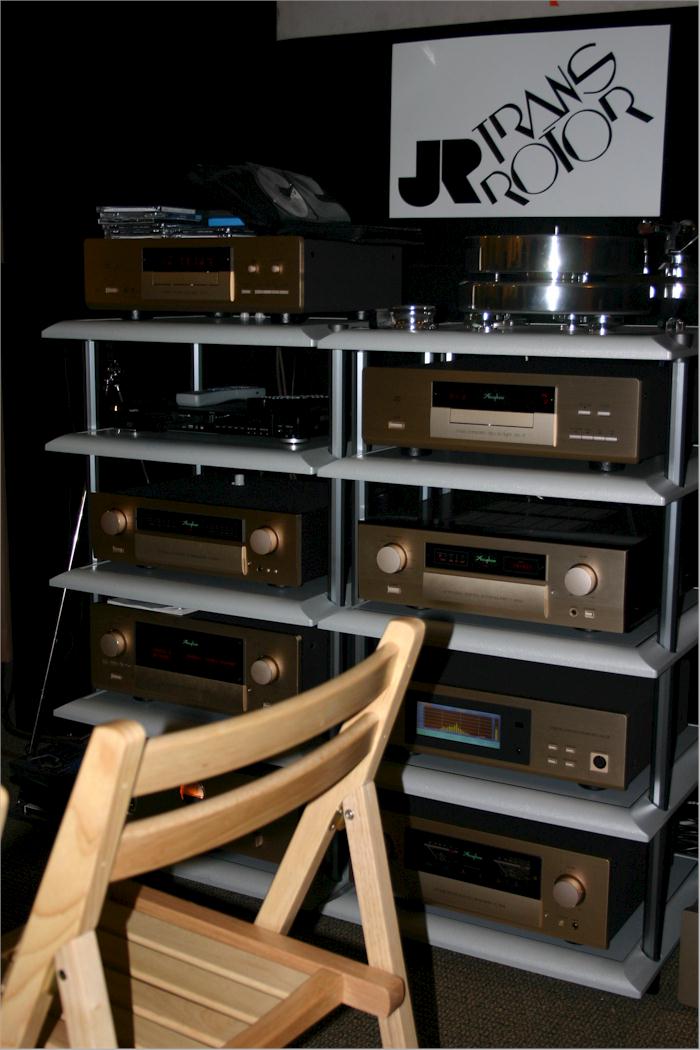
Sweetness and light sounding nothing like real instruments but very pretty sounds none the less. We met the nice gentlemen from Accuphase / Japan and have to admit that the overall visual aesthetic was very impressive. They are introducing a new preamplifier that has taken the volume control completely out of the signal path (putting a servo-controlled(?) device in the path instead). Something new for the rest of the industry to look into.
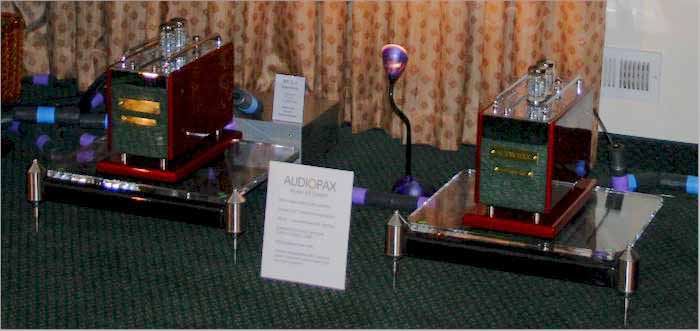
Audiopax, Zanden
Very nice, very refined.
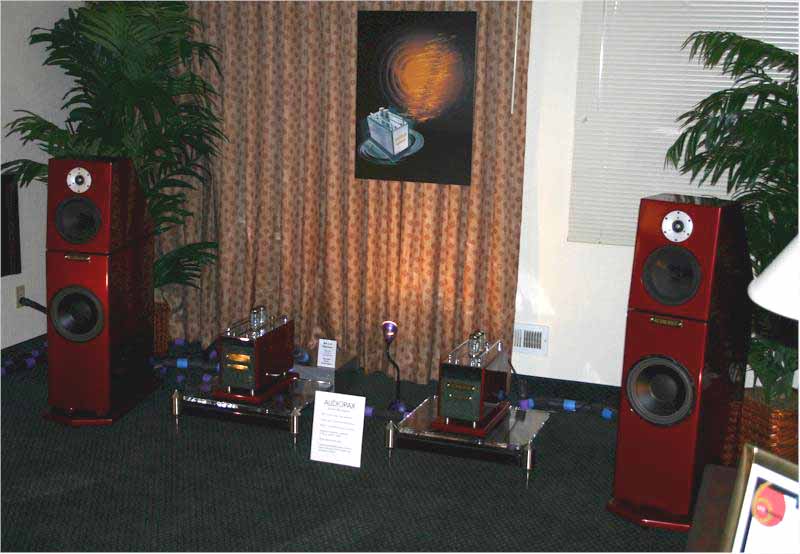
Audiopax now has speakers, apparently, and the system sounded very good.
Very attractive as well. We did not get to spin a disk in this room,
unfortunately, but what we heard made us want to hear more next year. We
liked this sound.
Kuzma / Tom Evans / Lowther
Mantra
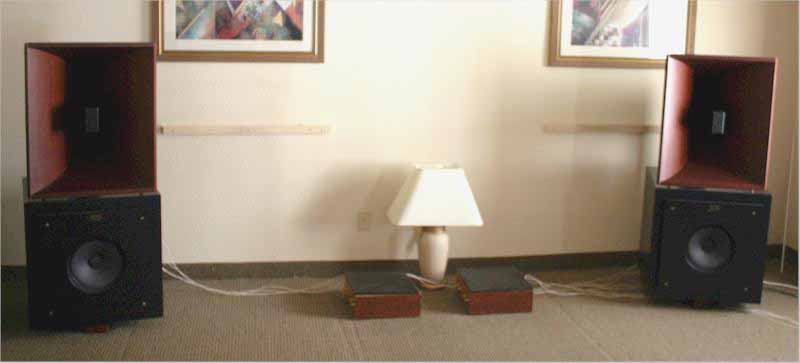
Dynamic and uncompressed, but lacking finesse and collapsing the soundstage on complex passages. Always aware that the sound was created by large PA-type horns. They may be on to something here... but perhaps have a ways to go yet.
Edge Room
The speakers are similar in appearance to the Pipedreams speakers, and the sound in this room had similar sonic characteristics to other systems that may have Pipedreams-style speakers: nice big sound, lots of macro-dynamics and bass authority, but with a lack of the inner detail and micro-dynamics that is needed to make music involving and to invoke other emotions in addition to the adrenaline-based ones.. There were three systems set up in this, one of the large rooms at the San Remo - one with tall speakers, one with medium high speakers, and one with short (around 4 feet or so) speakers. The electronics in the room ranged from the Edge Signature One monoblocks and Edge Signature One preamplifier, to a system powered by the new Edge G3 integrated amplifier (very musical yet neutral, detailed yet smoothly continuous, ...and with knobs that glow in a discrete bluish color). tmh Audio room: Soundlab / Vitus
Nicely detailed and open sound, good soundstaging, both macro and micro-dynamics quite good. Control of the speakers was excellent, and the separation between notes contributed to a very low noise floor. There was a little harshness in the midrange and brightness in the treble which gave the overall sound a solidstate' and 'digital' character. There was also a slight lack of inner detail which contributed to an overall lack of involvement.
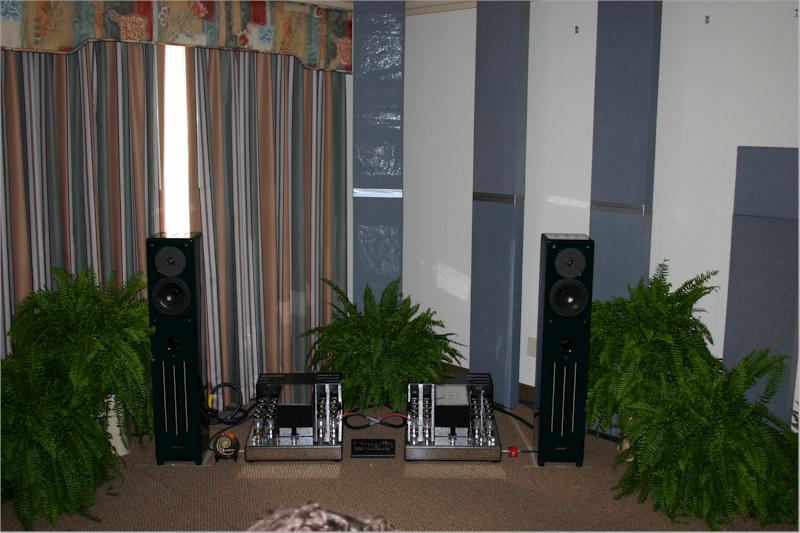
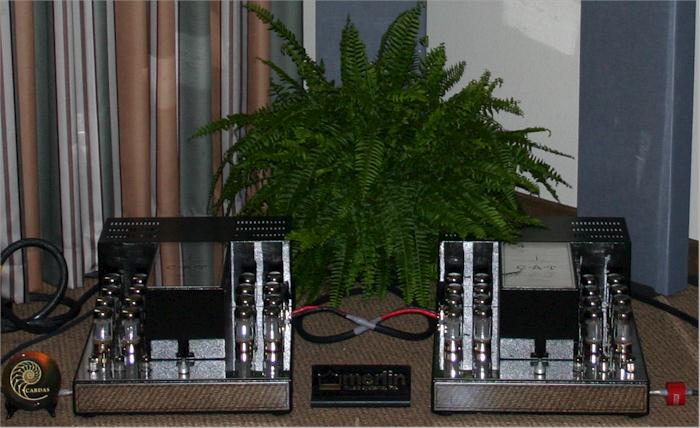
Merlin Room: Merlin / CAT / Audio Aero
The Merlins are one of the most musical and all-round safe bets in their price range. In this system the CAT JL-2 amps seemed to have gobs of control and authority over these speakers, but compared to the more expensive competition this system had a lack of finesse and a somewhat boxy/hollow sound. Also appeared to be missing some midrange frequencies and some air as well.
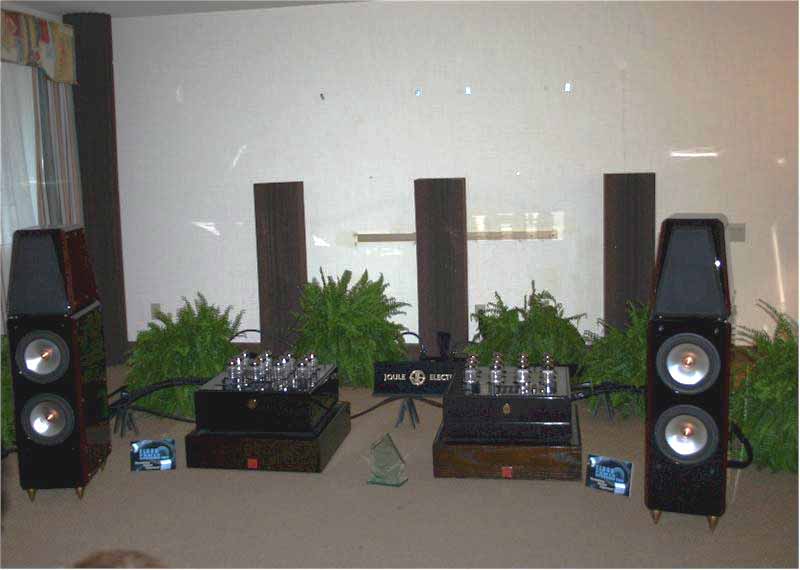
A few thoughts about why
the Joule Electra / Joseph Audio room made our Favorite of Show list: in
the past we have been frank about what we thought about the overall lack
of musicality and other severe problems in the Joseph Audio rooms of past
shows, as well as intrinsic problems with the speakers themselves. Our
opinions have not changed - but this particular system, this year,
was of a whole that actually worked together to get the most out of the
individual components. Each of the pieces have weaknesses that could
cripple an entire system, but here the weaknesses played off each other,
like jazz musicians, and so this system worked. Kudos to the people
who set up the room. |
|||||||||||||||||||||||||||||||||||||||||||||||||||||||||||||||||||||||||||||||||||||||||||||||||||||||||||||